
What is an "all-weather" tire?
The Nokian company is renowned for its innovative approach to creative advertising and the creation of new terms. Even if a particular technology or process is used by all manufacturers, only Nokian manages to present it beautifully. Many of the technologies of the tires they release are more marketing, but it's worth acknowledging that the marketing is of high quality. Not long ago, Nokian (not to be confused with Ikon) presented a new tire, the Nokian Tyres Remedy WRG5. The presentation was dominated by the term "all-weather tires". The organizers themselves clearly emphasized that "all-season" tires can be dangerous and if you don't want to take unnecessary risks, you should opt for "all-weather" tires. What's the difference between these very similar terms?
First and foremost, it should be noted that the marketing team has indeed done a great job here. They are trying to create a new segment, and not without reason. Many people, even experienced car owners, often get confused when it comes to winter tires, specifically between winter tires for "mild winters" and winter tires for "harsh winter conditions". The terms are not very straightforward, and the concept of a mild winter is quite vague. It's different when a tire is called "all-weather", implying a variable weather with a lot of moisture and snow.
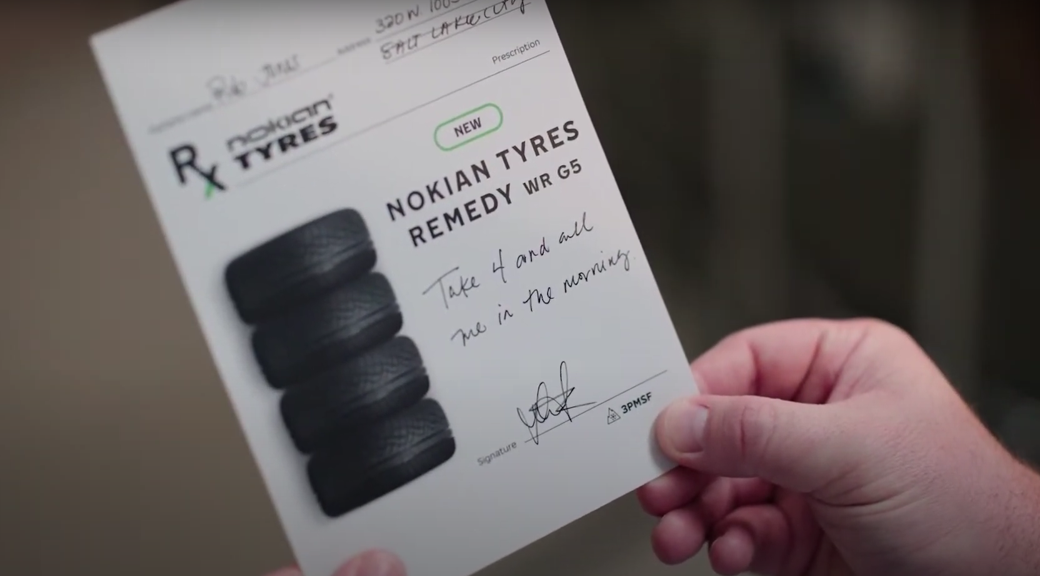
The Nokian Tyres Remedy WRG5 is exactly that. It's a classic tire for mild European winters. But the company is giving it new properties by calling it "all-weather". In the advertising campaign launched by Nokian, it is stated: if you experience anxiety while driving on all-season tires in the winter, here's a recipe to get rid of that anxiety - "all-weather" tires.
The initiative is indeed interesting and possibly even useful for avoiding confusion. Nevertheless, it should be clearly understood that for the Russian, predominantly cold winter with a lot of snow and ice, only tires from the Nordic segment are suitable.