
3 signs of high-quality summer tires
It is necessary to question the suitability of tires not only at the stage of their selection, but also during their operation. Today we will analyze what to pay attention to when operating summer tires. To ensure safe handling, it may be necessary to think about replacing them without waiting for complete wear. We will discuss the three main safety indicators by which a tire should be replaced.
To begin with, of course, it is necessary to consider how often to check the tires. If you drive no more than 5,000 kilometers per season, then in urban conditions and on high-quality roads, an interim inspection may be sufficient, but if your mileage is higher, you should pay more attention to this issue.
1. The residual tread depth and evenness of wear, of course, are the basics. Always pay attention to the residual depth of your tires. If it is 3mm or less, then it's already worth considering replacing the tires, as they will no longer be able to fully handle aquaplaning. Also, the measurement should be taken at several points of the tread. This way, you will be able to notice uneven wear at an early stage.
2. Check the tires for visible damage, such as cuts, punctures, bulges, or blisters. Any damage, even if it is not currently causing problems, will inevitably cause them in the future. Therefore, it is necessary to pay attention to such damage and repair them in a timely manner.
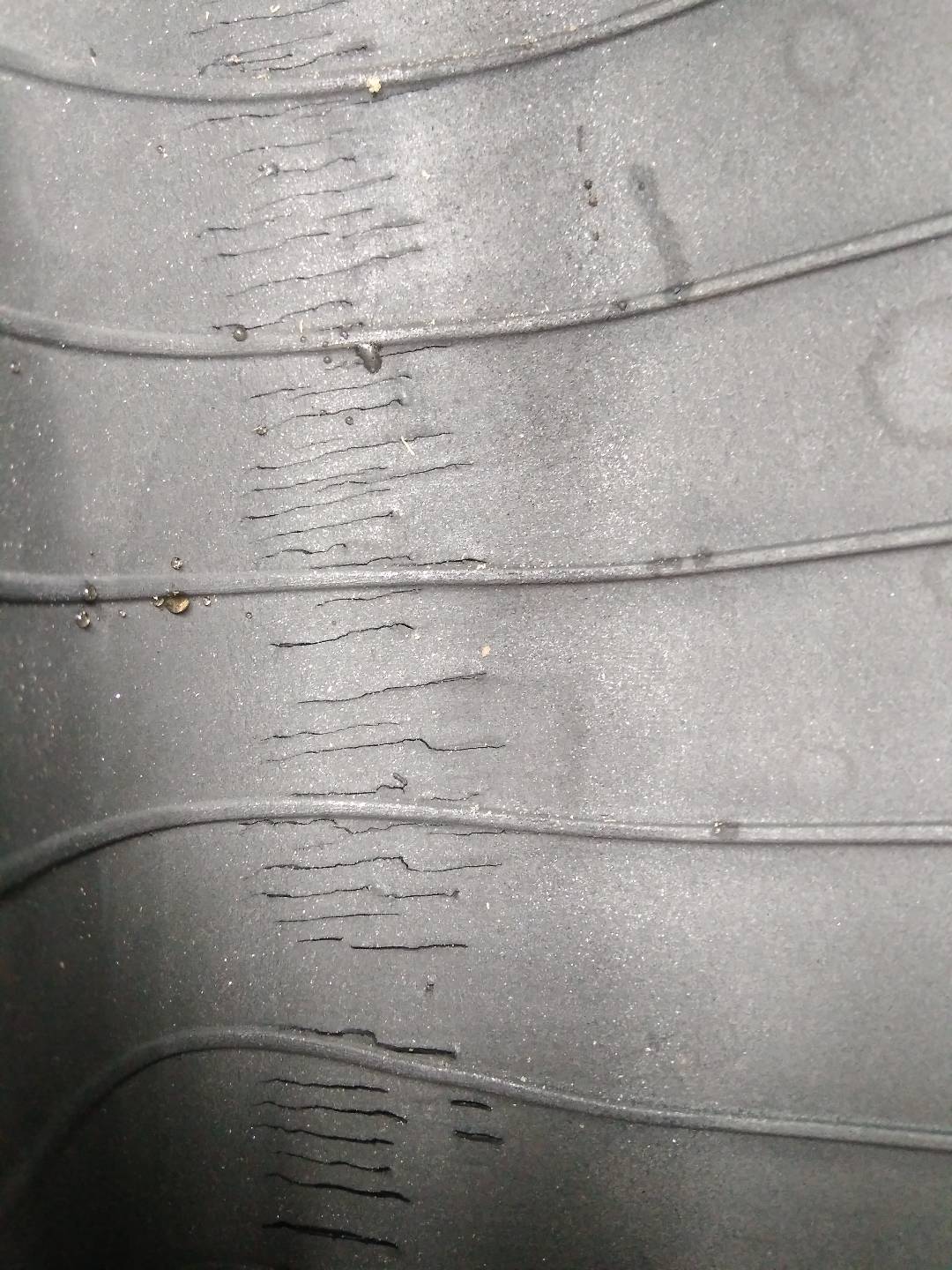
3. Check the condition of the tread and sidewalls for cracks. Even a small network of cracks can indicate storage or operation errors. In this case, you will have the opportunity to eliminate them and extend the service life of the tires. A common cause of rubber cracking is the use of means that give shine to the tires. All kinds of oils and non-certified dyes. At the same time, cracking on the sidewall of the tire can be critical even at an early stage, since the thickness of the tire sidewall is sometimes no more than 5 mm.
It is not necessary to forget about the cracking of the internal sealing layer. It can be provoked by low air temperature or tire operation at reduced pressure. However, this area of the tire is subject to regular inspection. Even if you store tires on disks.