The Vredestein Sprint Classic summer tire is a unique rubber product in many ways. Its uniqueness is due to the fact that this model was initially created for classic sports cars, which, despite their advanced age, are still capable of developing very high speeds, even by today's standards. That's why the size range of this tire includes quite specific types for wheels with a landing diameter of 13 to 16 inches. Meanwhile, the specific appearance did not prevent the Dutch tire makers from endowing the Sprint Classic with considerable abilities, as evidenced by the speed indices assigned to it - from S to W. I.e., this model provides a high level of safety at speeds of up to 270 km/h.
Classic tread pattern
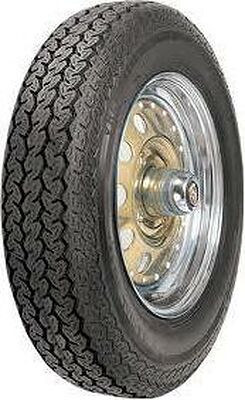
One of the distinctive features of the Vredestein Sprint Classic model is the tread pattern. It looks very similar to those that were widely used several decades ago. The specialists of the Dutch company took this step consciously, since this tire is intended, first and foremost, for classic cars, in the exterior of which any modern-looking element would look like a "foreign body". That's why the tread pattern of this tire contains many features characteristic of tires produced decades ago.
Despite the specific design, the Sprint Classic demonstrates excellent efficiency, both on dry and wet roads. This is due to the large contact patch sizes, which were achieved due to the presence of a significant number of massive elements. At the same time, most of them are connected to each other by rigid bridges, thanks to which three longitudinal ribs are formed in the central part of the tread, which provide the tire with excellent directional stability and lightning-fast reactions to steering wheel turns. In addition, this arrangement of the central part made it possible to significantly reduce rolling resistance.
Main features of Vredestein Sprint Classic
- the tire was specially created for classic cars produced several decades ago;
- the "old-fashioned" design provides the tire with excellent efficiency on dry and wet roads;
- three longitudinal ribs in the central part, which improved directional stability, reduced rolling resistance, and gave the handling a distinctly sporty character;
- short braking distance due to the multitude of contact edges formed by the blocks of the shoulder zones;
- excellent resistance to aquaplaning is ensured by the high performance of the drainage system.
 Enlarge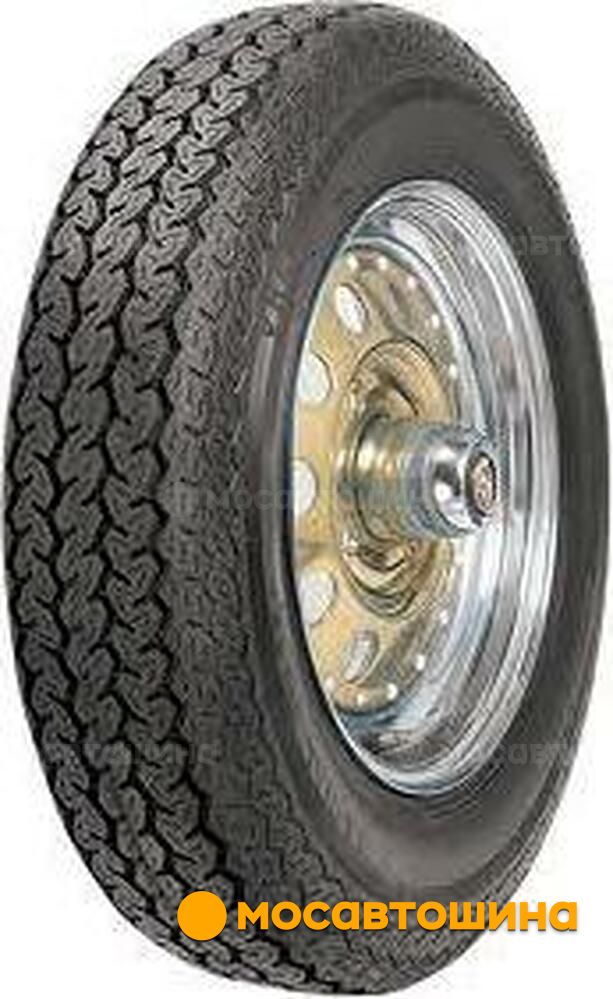
 НИДЕРЛАНДЫ