Despite the fact that the Sunny SN3800 rain tire was developed and manufactured in China, it perfectly suits powerful sports passenger cars, including some supercar models. The manufacturer claims that the tire demonstrates stability up to 300 km/h, which until recently seemed unattainable for Chinese tires.
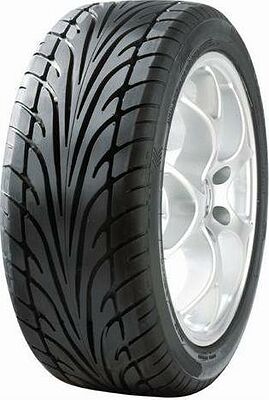
The directional symmetric tread pattern is built according to the characteristic V-shaped design of the rain tire category. One of the notable advantages of this design is high acceleration and braking efficiency, which should appeal to owners of powerful cars.
A distinctive feature of this tire is the combination of curved channels that form the V-shaped pattern of the tread, with two longitudinal water drainage grooves. As a rule, rain tires from other manufacturers do without additional longitudinal grooves. As a result, the Sunny SN3800 tire demonstrates exceptional resistance to aquaplaning when driving even at very high speeds, thus providing a high level of safety. Additionally, it is impossible not to notice the curvature of the water drainage grooves, which contributes to an increase in the speed of water removal from the contact patch.
Thanks to the V-shaped structure of the tread pattern elements, this tire has a very large contact patch area, which provided it with excellent grip under any road conditions.
Another characteristic feature of this tire is the reinforced design of the shoulder areas, which, in combination with their rounded profile, allows the tire to demonstrate phenomenal efficiency when passing turns at high speed with a very low probability of uneven wear.
Main features of the Sunny SN3800 tire
- V-shaped design of the directional symmetric tread pattern provides high efficiency of water removal from the contact patch, as well as excellent stability of the tire against skidding;
- the use of computer-aided design tools made it possible to ensure the highest operational characteristics of the tire;
- high structural strength of the tire allows it to maintain stability up to 300 km/h.
 Enlarge
  КИТАЙ
КИТАЙ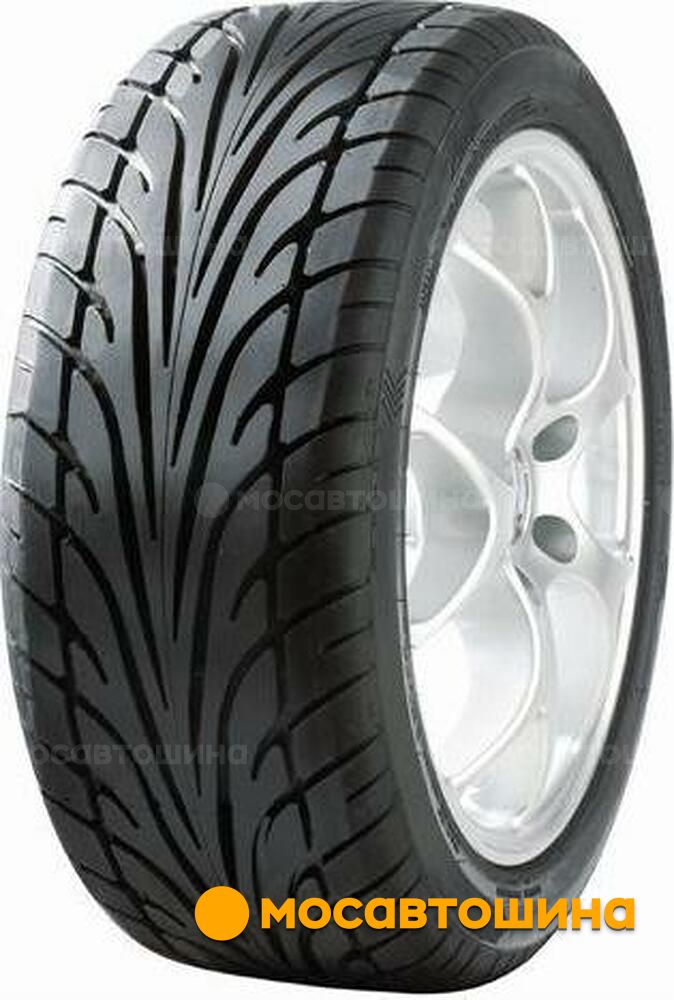 Enlarge