
-
 Enlarge
 Pirelli Winter Cinturato 2 -
 Enlarge
 Pirelli Winter Cinturato 2 -
 Enlarge
 Pirelli Winter Cinturato 2
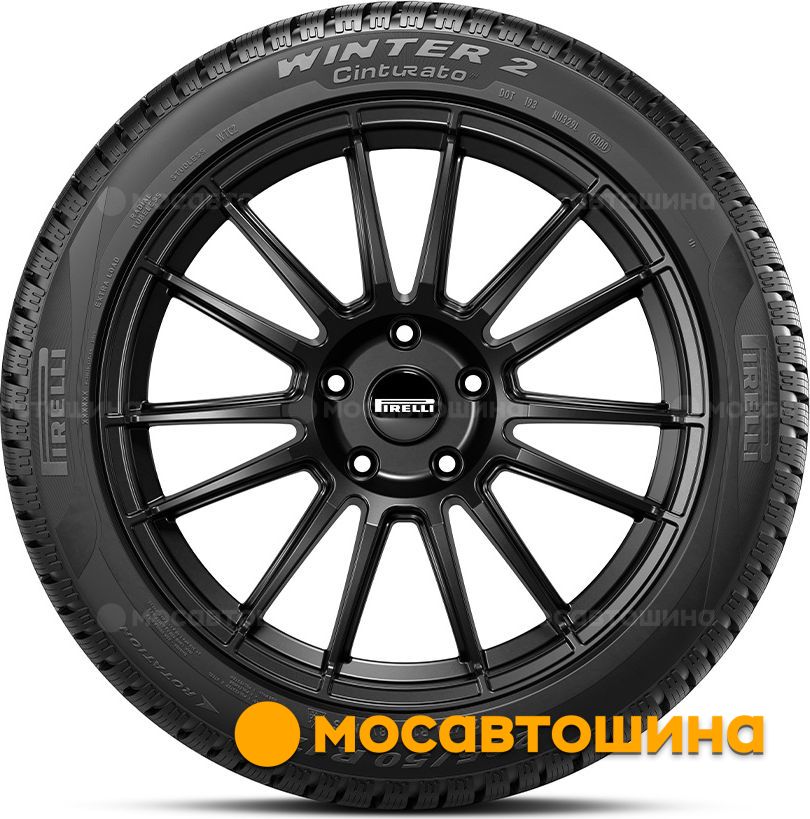
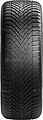
Description Pirelli Winter Cinturato 2
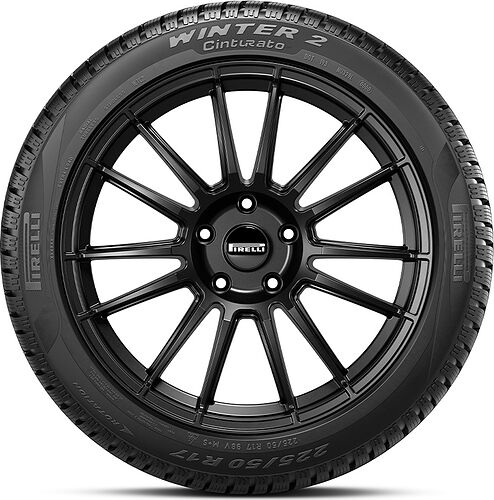
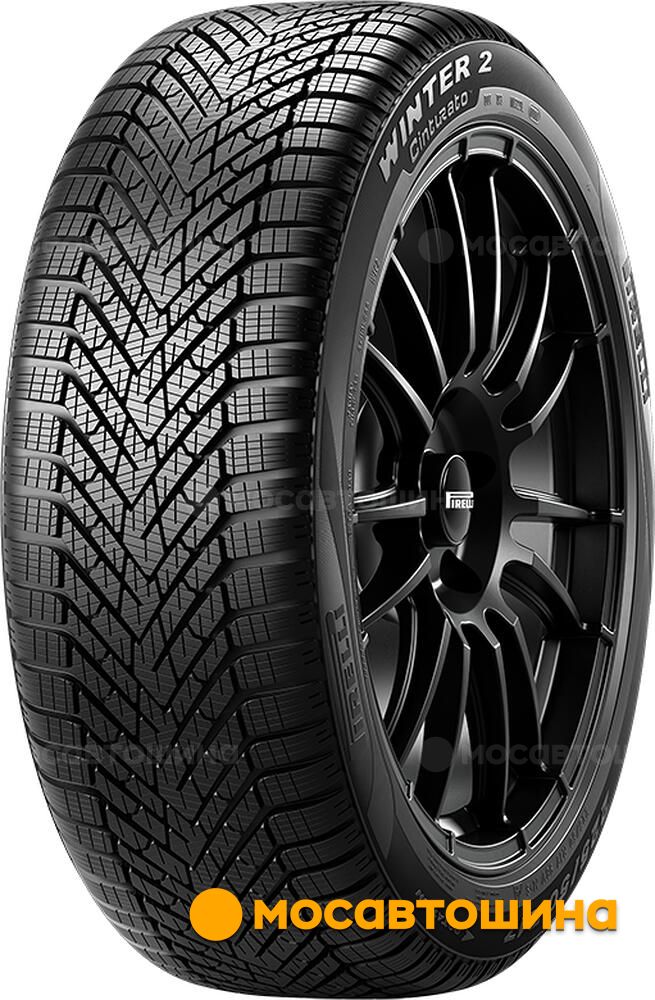
The Pirelli Winter Cinturato 2 winter tire is suitable for both passenger cars and crossovers/SUVs. It is designed for use on cleared and snow-covered urban roads and highways. It is characterized by stable traction properties in any driving mode, a long service life, and increased acoustic comfort.
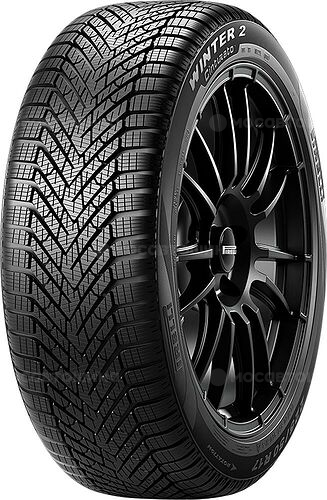
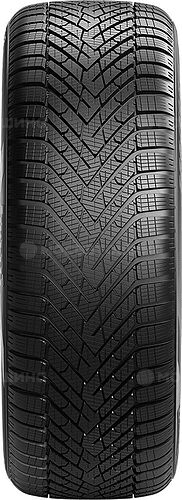
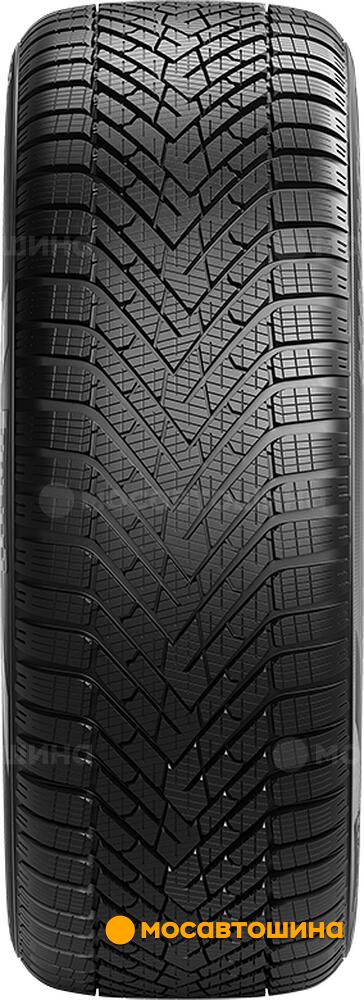
The tread pattern features a large number of V-shaped drainage grooves. These elements expand as they approach the shoulder areas, increasing the intensity of water and its heavy mixture with snow and road slush from under the contact patch. This capability has been significantly enhanced by the use of gutter-shaped grooves. At the same time, the minimum width of the drainage elements in the central part increases the useful area of the tread and limits the mobility of the blocks, which has a positive effect on traction and handling, especially at high speeds.
The model features updated 3D lamellae. Unlike the previous generation tire, the vertical walls of the slits have "three-dimensional" protrusions of increased depth. This made it possible to abandon wavy edges. As a result, it was possible to achieve a significant increase in the efficiency of transmitting traction and braking forces on any slippery surface. The vertical walls of the drainage grooves in the central part also became straight. This also led to an improvement in handling on rolled snow.
Compared to the previous model, the composition of the rubber mixture has been significantly changed. The content of "silica" has increased again, which led to an increase in the tire's ability to grip the road surface at low temperatures. Another innovation is the appearance of polymers that improve the resistance of the tread to abrasive wear, which automatically led to an increase in the life of the tire.
Key Features of Pirelli Winter Cinturato 2
- Expanding gutter-shaped drainage grooves allow maintaining traction in the most difficult conditions;
- The dense arrangement of tread elements in the central part improves handling on cleared road surfaces;
- Straight edges of "three-dimensional" lamellae allow for effective implementation of traction and braking forces on any slippery surface.