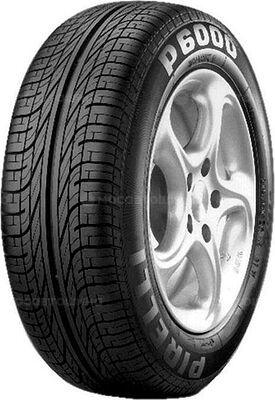
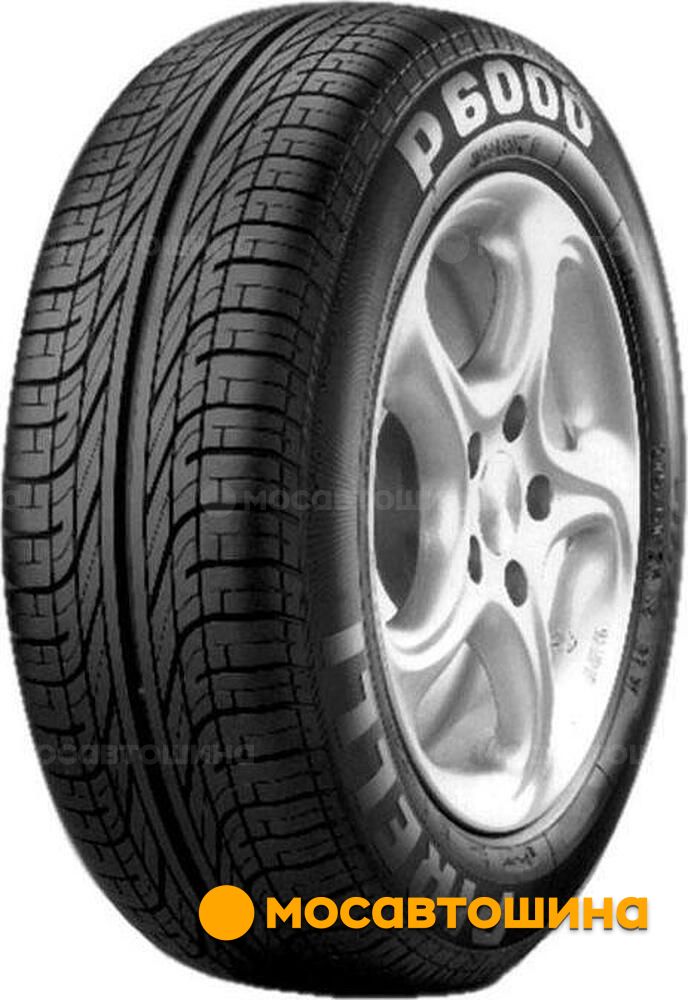
The emergence of the Pirelli P6000 Powergy summer tire is owed to the competitors of the Italian manufacturer. A whole range of released novelties shifted the P6000 model from the leading positions, which it had occupied for several years in a row. To rectify this, the Italian tire makers preferred to take the simplest path, improving its design. The changes affected almost all elements of the design, from the composition of the rubber mixture to the design of the tread pattern.
Updated tread design
One of the key changes in the tread pattern design of the Pirelli P6000 Powergy was the increase in the number of blocks with a simultaneous decrease in their size. This allowed for a significant improvement in traction on wet surfaces, as well as the level of acoustic comfort. The multi-step arrangement of the blocks with a simultaneous increase in their number made it possible to significantly reduce the likelihood of resonance noise and vibration.
Optimized rubber compound composition
Unlike the previous model, the tread of this tire is made from a compound with an increased silica content. This allowed for a significant increase in traction on wet roads, while also improving resistance to any type of wear.
Modified carcass design
This tire was one of the first to feature a carcass with cords wound at a slight angle to the direction of travel. This significantly increased its resistance to deformation, which in turn had a positive effect on handling and directional stability, especially when driving at high speeds.
Main features of the Pirelli P6000 Powergy tire
- The tread with a quarter more blocks (compared to the previous model) improves traction and acoustic comfort on wet roads;
- The increased silica content in the rubber compound ensures more reliable traction in unfavorable road conditions and prevents wear;
- The more stable carcass against dynamic deformation improves handling and directional stability at high speeds.
 Enlarge
 Enlarge