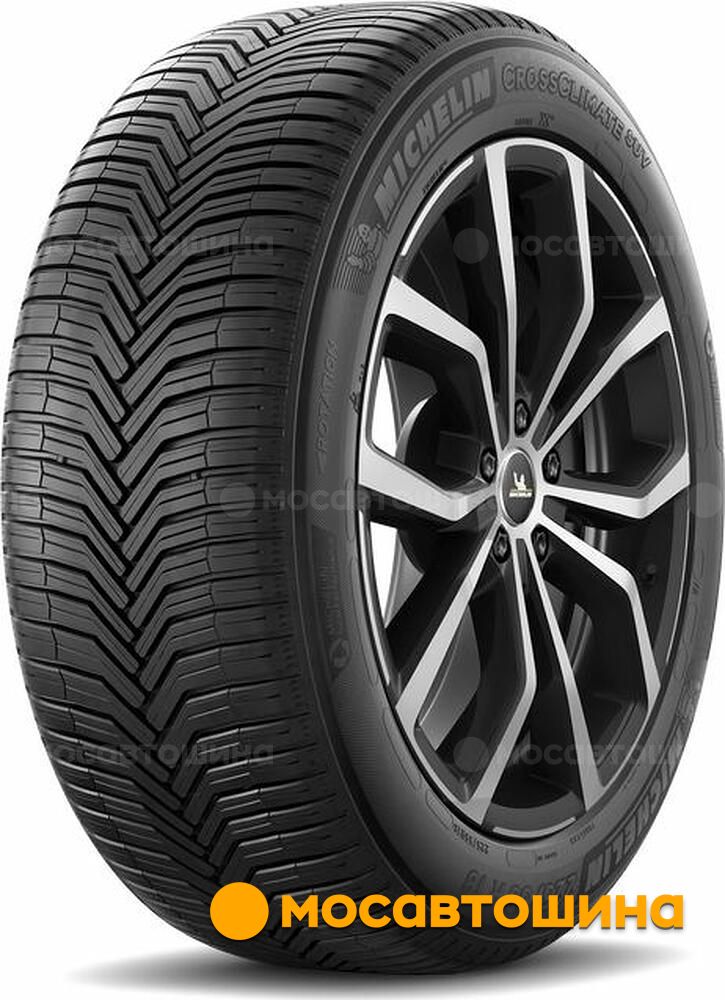
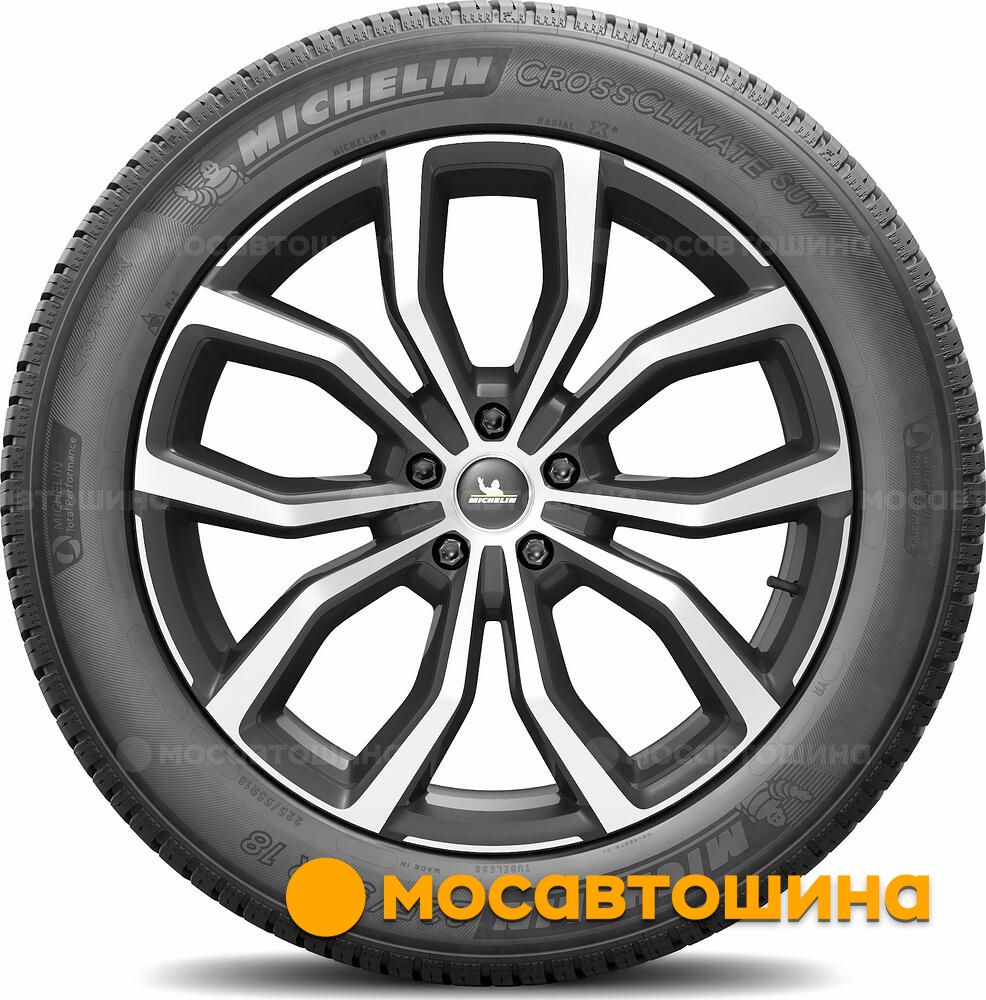
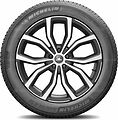
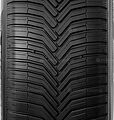
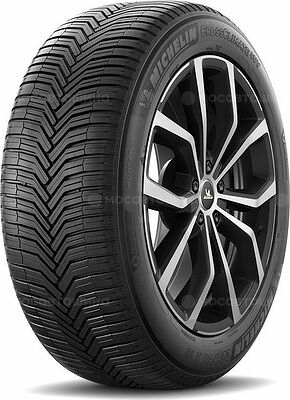
The existence of the all-season Michelin CrossClimate SUV tire is owed to its namesake model, designed for passenger cars. Its popularity exceeded expectations, allowing the French manufacturer to expand its target audience to include owners of SUVs and crossovers. This modification differs from the base CrossClimate version with some design features aimed at adapting it to the operation of vehicles with a high center of gravity and increased weight.
Dual Casing
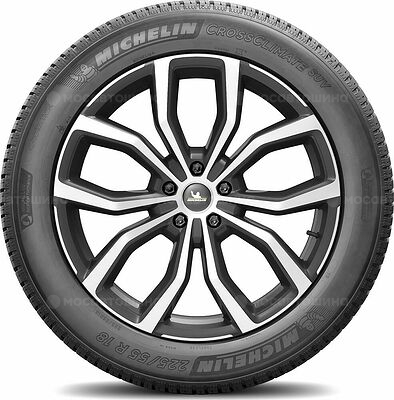
One of the innovations was the reinforced casing structure. It features an additional cord made entirely of synthetic materials - aramid and nylon threads woven into a wide mesh. This component has increased mechanical strength and stiffness, which has increased the tire's load-carrying capacity and improved a number of other characteristics. Most of them are a direct consequence of optimizing the distribution of external loads across the contact patch. It is very even across its entire area, which has a positive effect on the stability of the traction properties and the transmission of multidirectional acceleration forces to the tire's load-bearing elements. It reacts very quickly and accurately to the driver's actions, providing him with transparent feedback. This greatly simplifies and facilitates the vehicle control process. Additionally, the appearance of the additional synthetic cord has allowed reducing the risk of uneven wear, as well as rolling resistance and, as a consequence, fuel consumption.
Dual Rubber Compound
The tire's tread has a 2-layer structure. Its lower "base" part is made of a more rigid compound that also has improved thermal conductivity. This significantly reduces the tire's heat generation and, along with it, wear and rolling resistance, which increases the service life and improves fuel efficiency, respectively.
In turn, the outer layer of the tread, including the working surface, is made of a rubber compound with a high "silica" content. In addition, the composition includes special polymer compounds that enhance the tread's ability to adapt to road surface irregularities. This significantly improves traction, especially on wet roads.
Winter Surface Safety
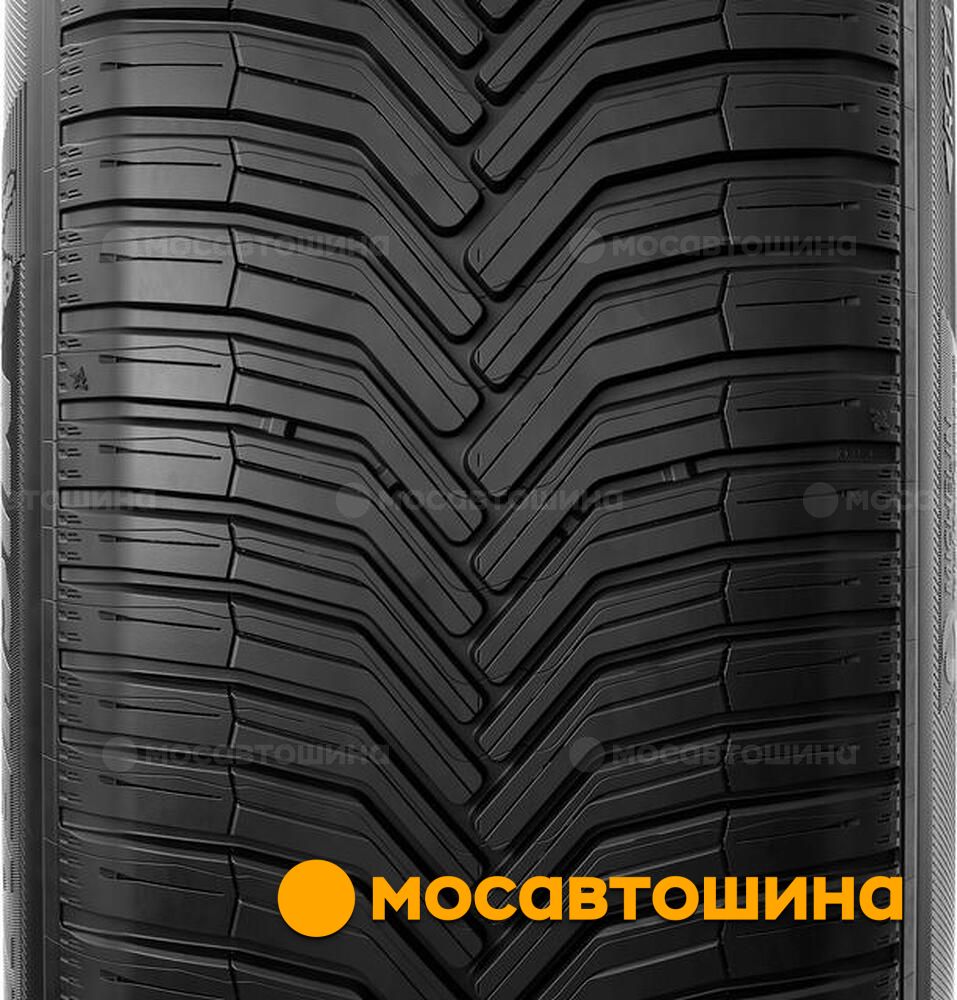
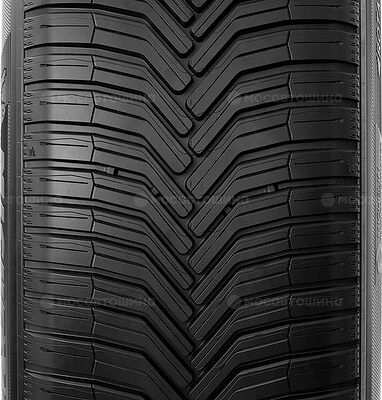
The dual-compound solution provides the tire with efficiency even on winter roads. To ensure even better traction in such conditions, the French tire manufacturers used several technical solutions. The key one is the use of three-dimensional lamellas of a sinusoidal shape. They are arranged to complement and enhance each other's action. When in contact with snow, they create the so-called "claw effect", providing stability against lateral skidding and longitudinal traction properties. Additionally, the lamellas are cut through the entire depth of the tread, and their width increases as the tread wears out. This allows them to maintain their effectiveness throughout the tire's service life.
Another function of the lamellas is to limit the mobility of the tread blocks when they are subjected to longitudinal and transverse acceleration forces. This further improves the tire's handling, service life, and accuracy of reactions to steering wheel turns.
Key Features of the Michelin CrossClimate SUV Model
- dual casing and reinforced sidewalls improve handling accuracy and traction during maneuvering and braking;
- three-dimensional lamellas create a "claw effect", preventing skidding on winter roads;
- a two-layer rubber compound improves traction on slippery surfaces, saves fuel, and reduces wear
 Enlarge
  Enlarge
  Enlarge