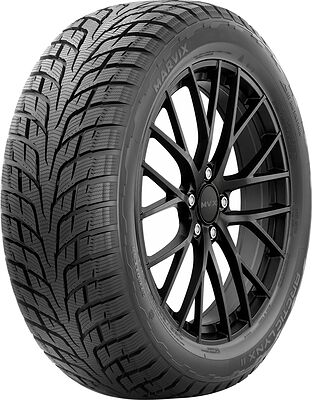
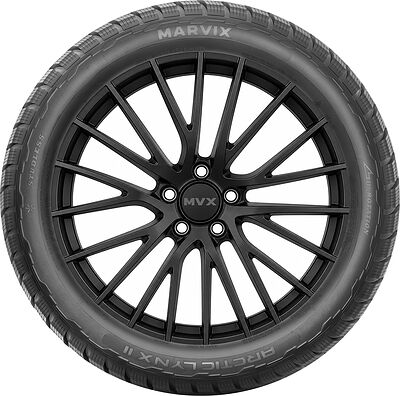
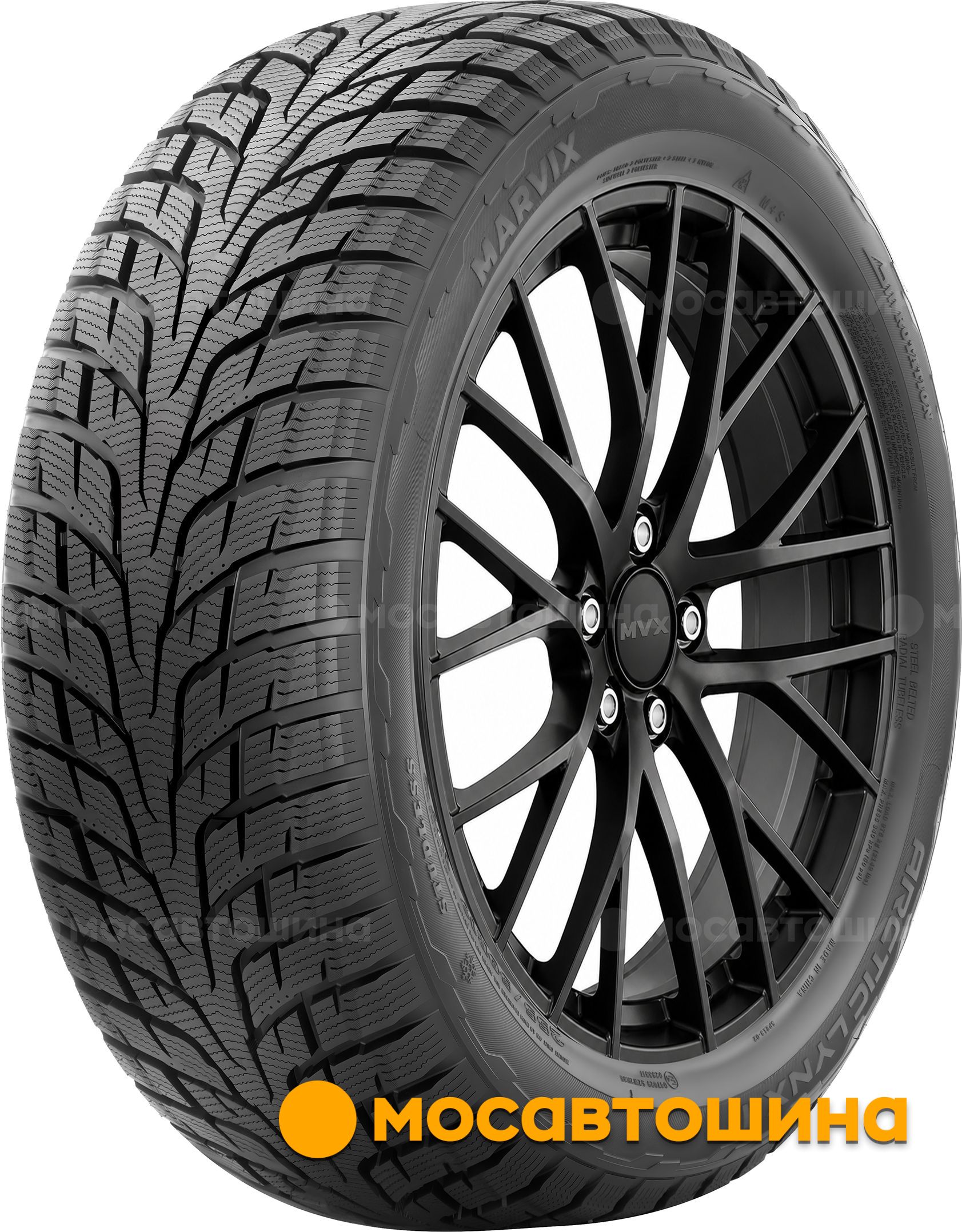
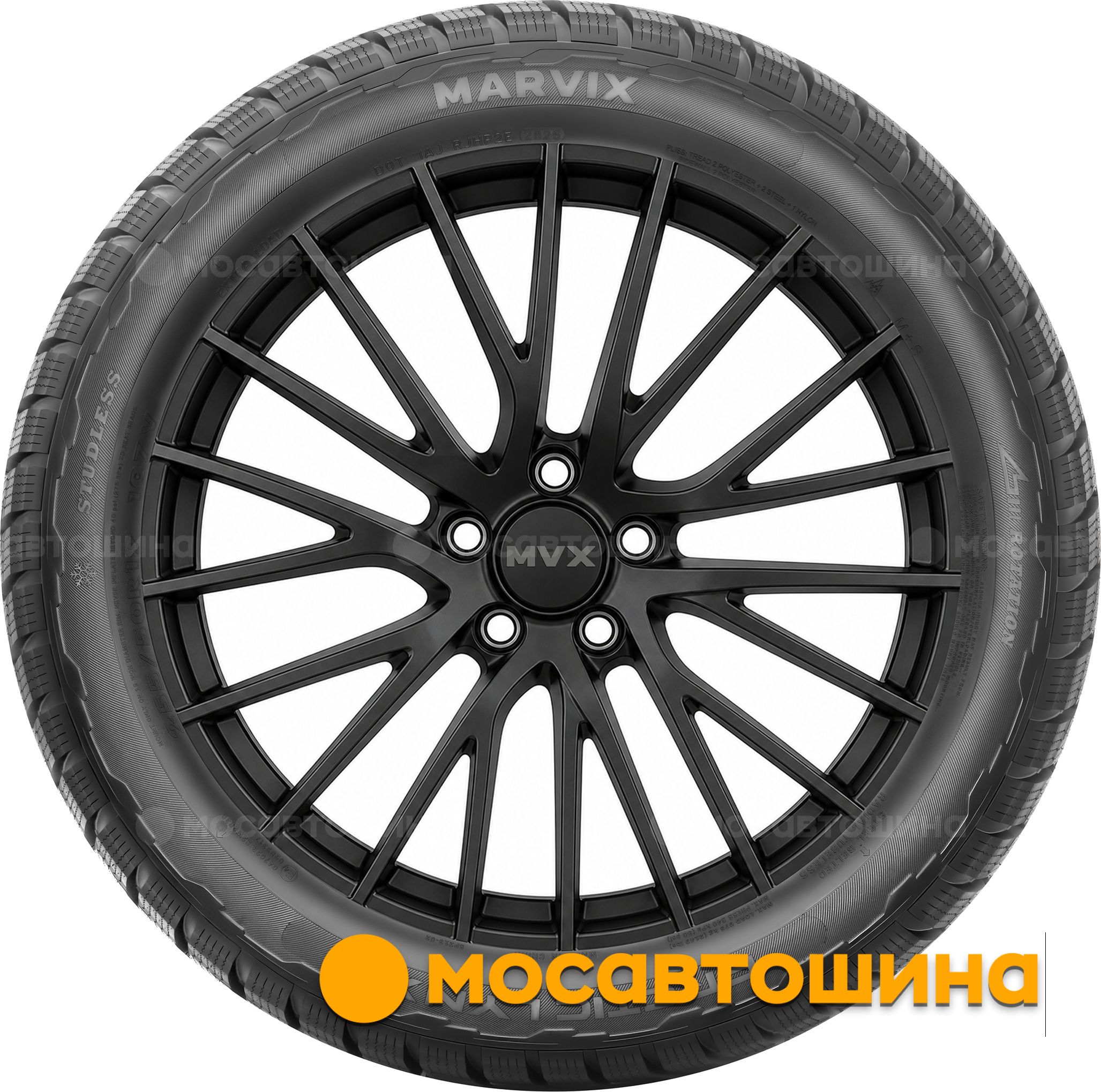
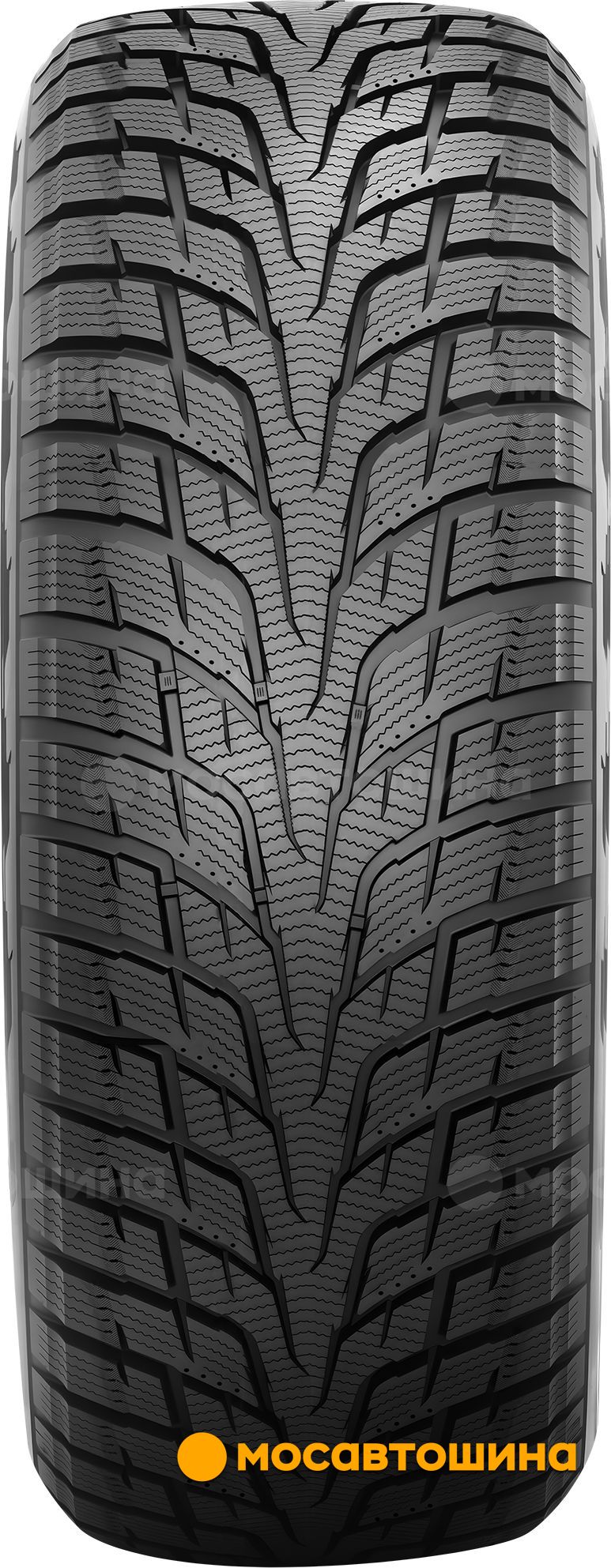
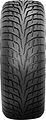
The winter non-studded tyre Marvix Arctic Lynx II is designed for crossovers and SUVs. The directional tread pattern combines a dense central zone, long curved grooves, and wide shoulder blocks. Numerous sipes add extra biting edges to this structure for performance on snowy roads.
Dense centre and directional grooves
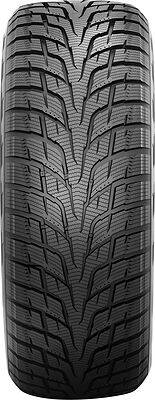
The central part of the tread is formed by closely spaced peaks of V-shaped elements. They sequentially enter the contact patch and provide longitudinal support, helping maintain stability during straight-line driving. Curved grooves diverge from the centre towards the shoulder areas. Their angled edges engage with snow during acceleration and braking, while the open space between blocks accommodates water and slush.
Branched water evacuation paths
The main diagonal channels are connected to shorter cuts between adjacent tread segments. As they approach the tyre edges, they transition into transverse shoulder grooves. This network provides an outward path for water to escape from the central zone, helping maintain tread contact with wet roads. The open gaps between blocks also allow the tread pattern to self-clean snow during wheel rotation.
Siping of wide blocks
Frequent wavy sipes are located on the surface of the central and shoulder elements. Their zigzag edges increase the number of small biting edges that work on snow. In the shoulder areas, thin slits combine with short longitudinal cuts, complementing the predominantly transverse tread edges. The shoulder blocks themselves remain wide, forming support for handling lateral loads during cornering.
Key features of Marvix Arctic Lynx II
- winter non-studded tyre for crossovers and SUVs;
- dense central zone for stability during straight-line driving;
- directional curved grooves for water and slush evacuation;
- wavy sipes create additional traction edges;
- wide shoulder blocks support the vehicle during maneuvering.
 Enlarge
 Enlarge
 Enlarge
 КИТАЙ
