
-
 Enlarge
 LingLong F825
Description LingLong F825
The cargo tire LingLong F825 is another novelty of one of the largest Chinese tire manufacturers. This model, although offered in only one size, 7.50R16LT, can be installed on both the driving and steering axles of small-tonnage trucks.
Optimized tread pattern
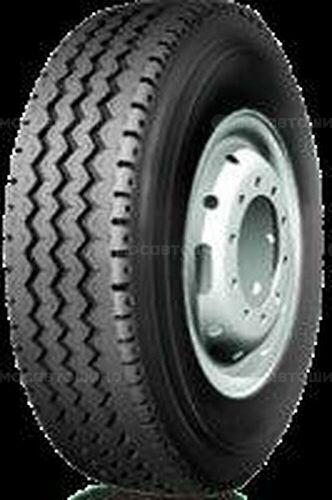
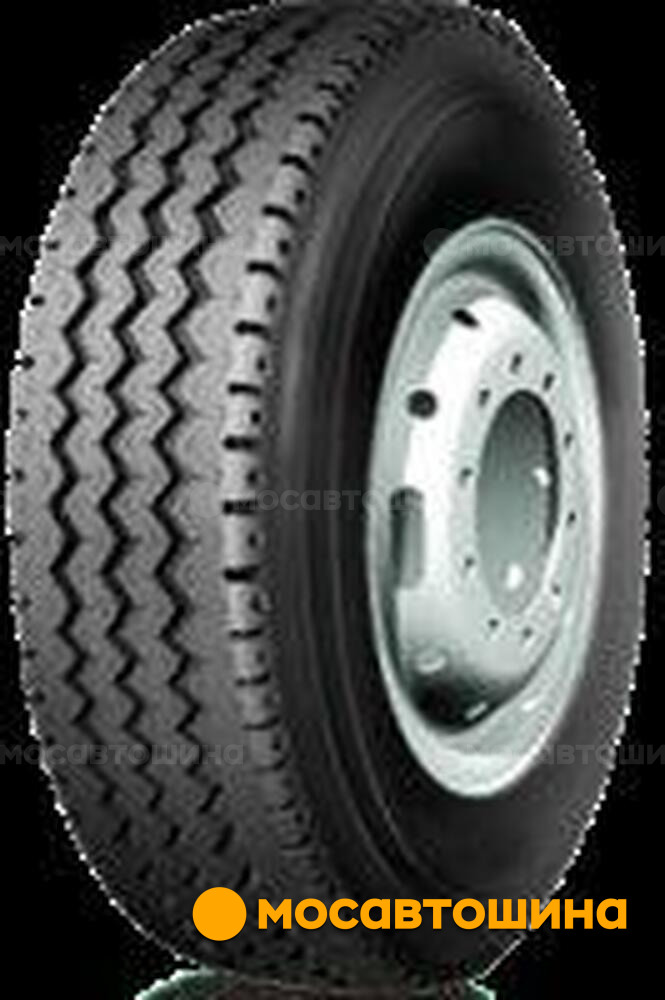
The tread pattern of this tire features simple but effective solutions that even the world's largest manufacturers do not hesitate to use. It consists of two main functional parts, each of which performs its strictly defined tasks. The central part of the tread is occupied by two longitudinal ribs with S-shaped edges. On the one hand, this design solution made it possible to provide reliable traction and coupling characteristics, and on the other hand, high directional stability and quick response to steering wheel turns due to the high structural rigidity of these tread elements.
The shoulder areas of the LingLong F825 tread also feature two longitudinal ribs without any interruptions throughout their length. Their massive size contributes to a more even distribution of external weight across the contact patch, which reduces the risk of uneven wear. In addition, it is worth noting the very small radius of transition from the shoulder area to the tire's sidewall. Thanks to this technical solution, the Chinese tire manufacturers were able to provide the contact patch with maximum sizes, which had a positive effect on traction.
Excellent grip in wet weather
An effective drainage system is one of the distinctive features of this model. It consists of three very wide and deep longitudinal grooves capable of holding a sufficient amount of water. As an additional measure to improve the performance of the drainage system, the Chinese tire manufacturers used wavy lamellas, placing them in large quantities on each of the longitudinal ribs.
Main features of LingLong F825
- Four longitudinal ribs have very high structural rigidity, thanks to which the tire demonstrates excellent directional stability and quick responses to steering wheel turns;
- The massive size of the tread elements made it possible to significantly increase the size of the contact patch, improving the evenness of load distribution across it, which, in turn, reduced the likelihood of uneven wear;
- The S-shaped edges of the longitudinal ribs made it possible to achieve good traction and coupling characteristics, reducing the noise level due to the arrangement of "waves" with different pitches relative to each other.