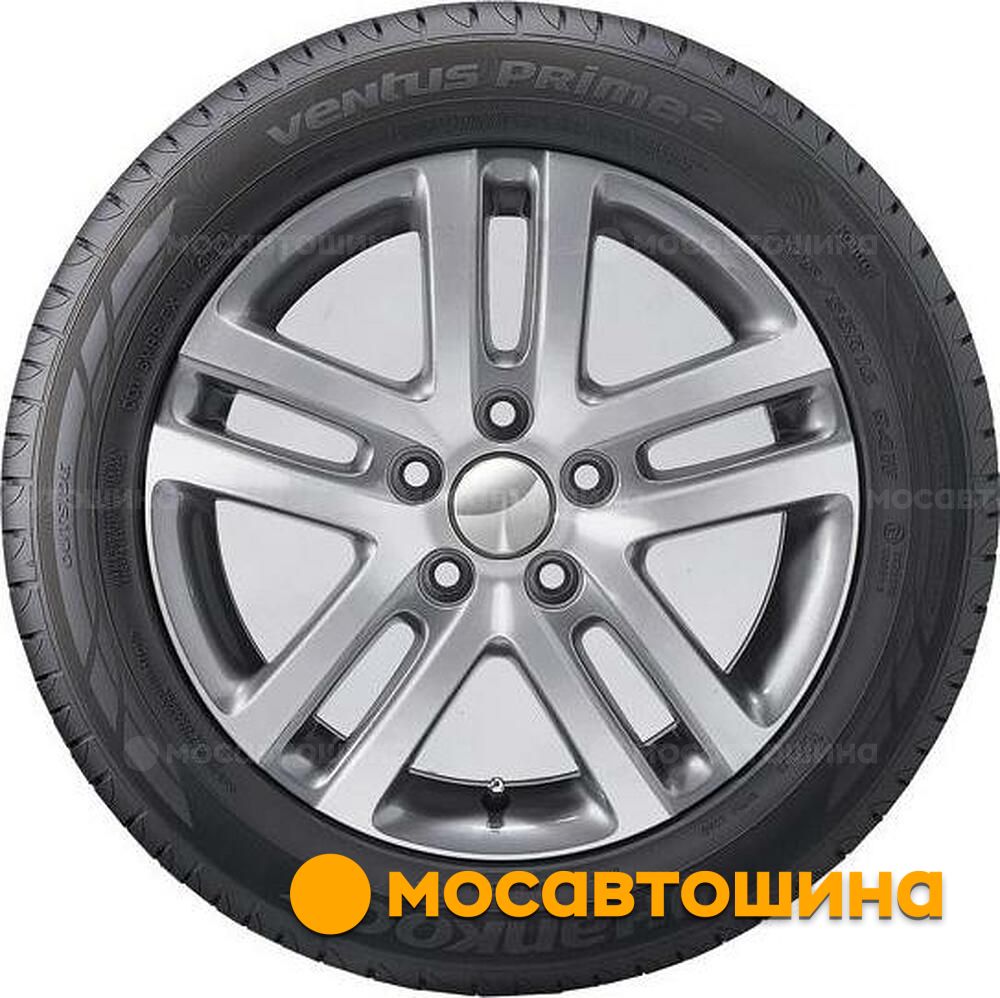
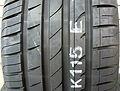
The Hankook Ventus Prime 2 K115 model is designed for those who are constantly behind the wheel. This tire belongs to the "premium-comfort" category and is ideal for comfortable cars, both in the middle and upper price ranges.
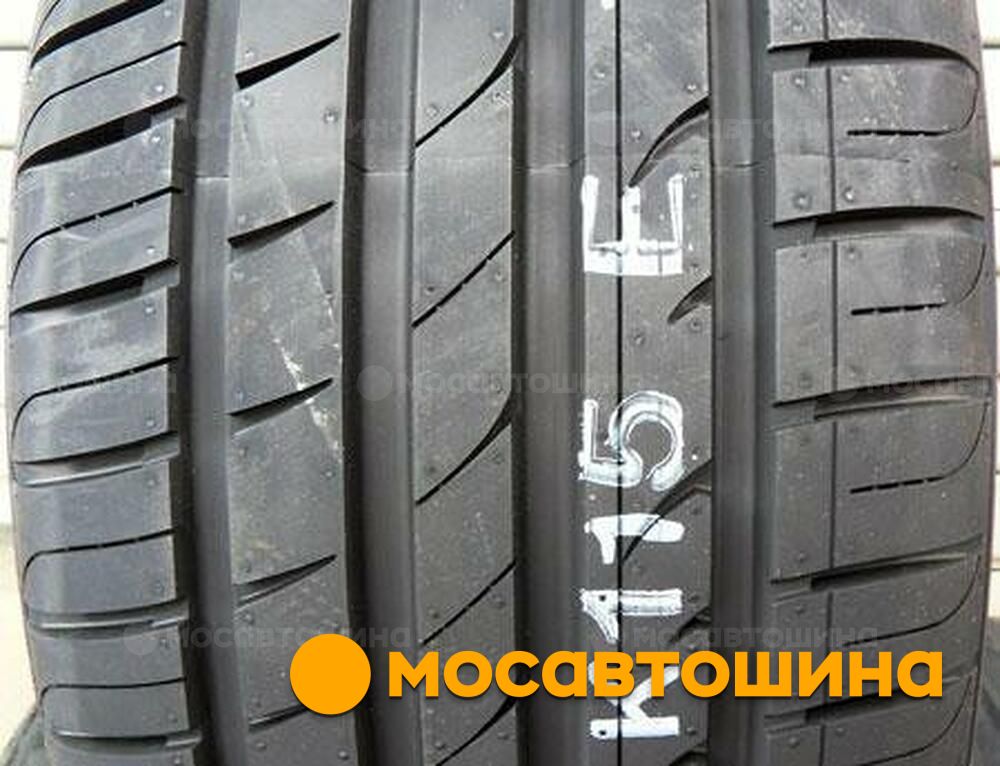
When creating the Hankook Ventus Prime 2 K115 tire, safety was the top priority. This allowed for a 20% reduction in braking distance on a wet surface (compared to the previous model). New technologies for rubber mixing and new materials were also used, and the tread pattern was borrowed from nature and resembles the teeth of representatives of the predatory cat family.
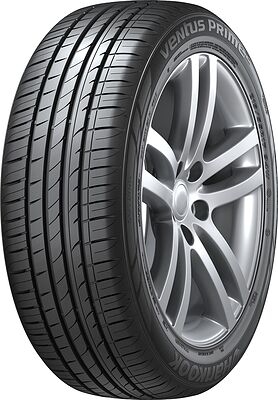
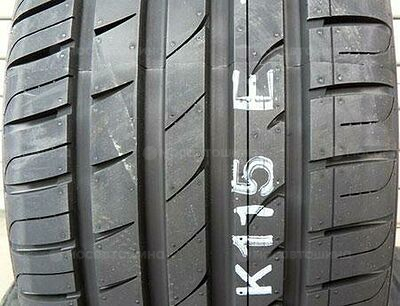
Hankook K115 tire design
The specially designed edge design of the blocks located on the outer shoulder sections allowed to increase the traction force and provide stability when passing turns on various surfaces (wet or dry). The tread is developed using MRT (Multi-Tread Radius) technology, which guarantees a balanced distribution of pressure, ensuring maximum contact with the road surface in any weather.
The rubber mixture, consisting of silica, nanoparticles, and optimized molecular chain ends, allowed to increase the braking efficiency, reduce rolling resistance, and overall improve operational qualities. The special block design of Quiet Ride Technology allowed to reduce rolling noise.
Technical features of the Hankook Ventus Prime 2 K115 tire
- Optimized pressure distribution improved traction properties on a wet road surface. The use of Multi-Tread Radius Technology provides better contact with the road surface, creating optimal handling and effective braking on a wet road surface and during sharp turns at high speeds;
- Improved handling and increased wear resistance. The application of SCCT technology made it possible to achieve a more even distribution of load, which reduced wear;
- The predatory design and asymmetrical tread pattern created a combination of increased resistance to aquaplaning with the best handling and excellent feedback;
- The "hybrid" composition of the rubber mixture increased traction on a wet road surface and reduced fuel consumption.
 Enlarge
  Enlarge
  Enlarge