
-
 Enlarge
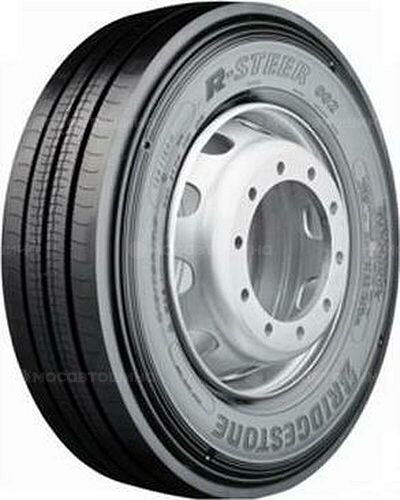
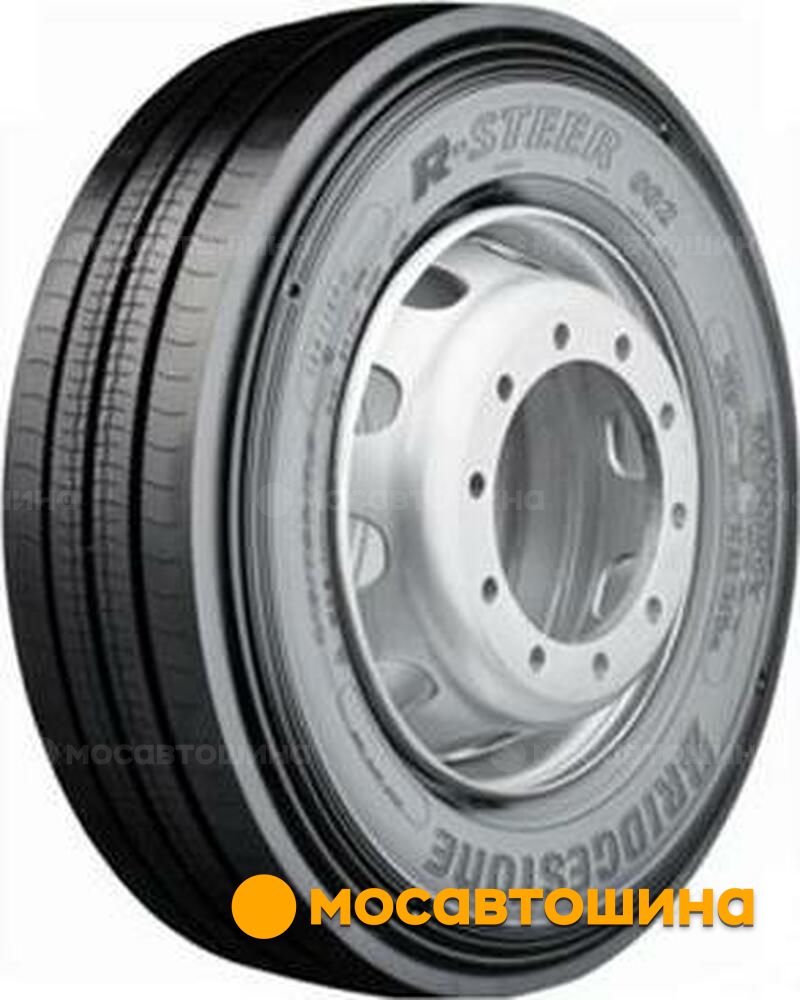
 Bridgestone RS2
Description Bridgestone RS2
The Bridgestone RS2 commercial tire is installed on the steering axle of high-capacity trucks and on all axles of buses. It is beneficially distinguished by its versatility in application, as it is equally well suited for use on roads with varying surface quality. Even in the most challenging conditions, it is characterized by precision handling, fuel efficiency, and a long service life, which can be extended through the "proprietary" Bandag retreading technology.
Handling Precision
The tread pattern features five solid ribs. All elements are virtually non-deformable under the influence of multidirectional acceleration forces. This allows them to be transmitted to the steering wheel with maximum speed and accuracy, making the handling process easier. Additionally, the solid rib structure reduces rolling resistance, increases directional stability, and prevents uneven wear.
Braking Efficiency
The tread pattern contains a large number of transverse lamellas. Special grooves form a multitude of sharp edges in the contact patch, which allow avoiding skidding during braking, especially on wet surfaces. The curved shape of these elements further increases their effectiveness, increasing the deceleration intensity.
Long Service Life
The tire provides a significant reduction in operating costs. A significant portion of the savings comes from its high resistance to wear. This was achieved through several design features of the tire. One of them is the increased size of the shoulder ribs, which, along with their solid structure, substantially increases resistance to deformation. As a result, the load from the vehicle's weight is distributed more evenly across the road surface, reducing the wear rate of the entire tread. This property is also ensured by the increased stiffness of the carcass and breaker, both of which are made of steel.
Key Features of Bridgestone RS2
- The tread pattern with five rigid ribs facilitates the handling process due to the accuracy and speed of response to steering;
- The wavy shape of the drainage grooves reduces wear and noise, increases directional stability;
- Transverse curved lamellas shorten the braking distance;
- The steel-reinforced carcass and breaker, along with the reinforced shoulder ribs, prevent uneven wear;
- The ribbed shape of the sidewalls reduces the risk of mechanical damage.