
-
 Enlarge
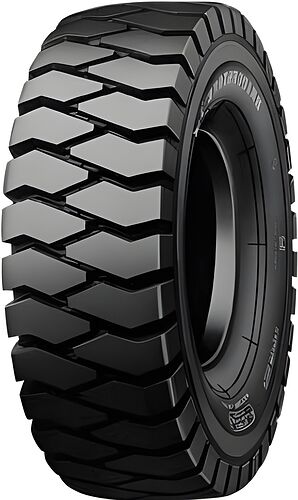
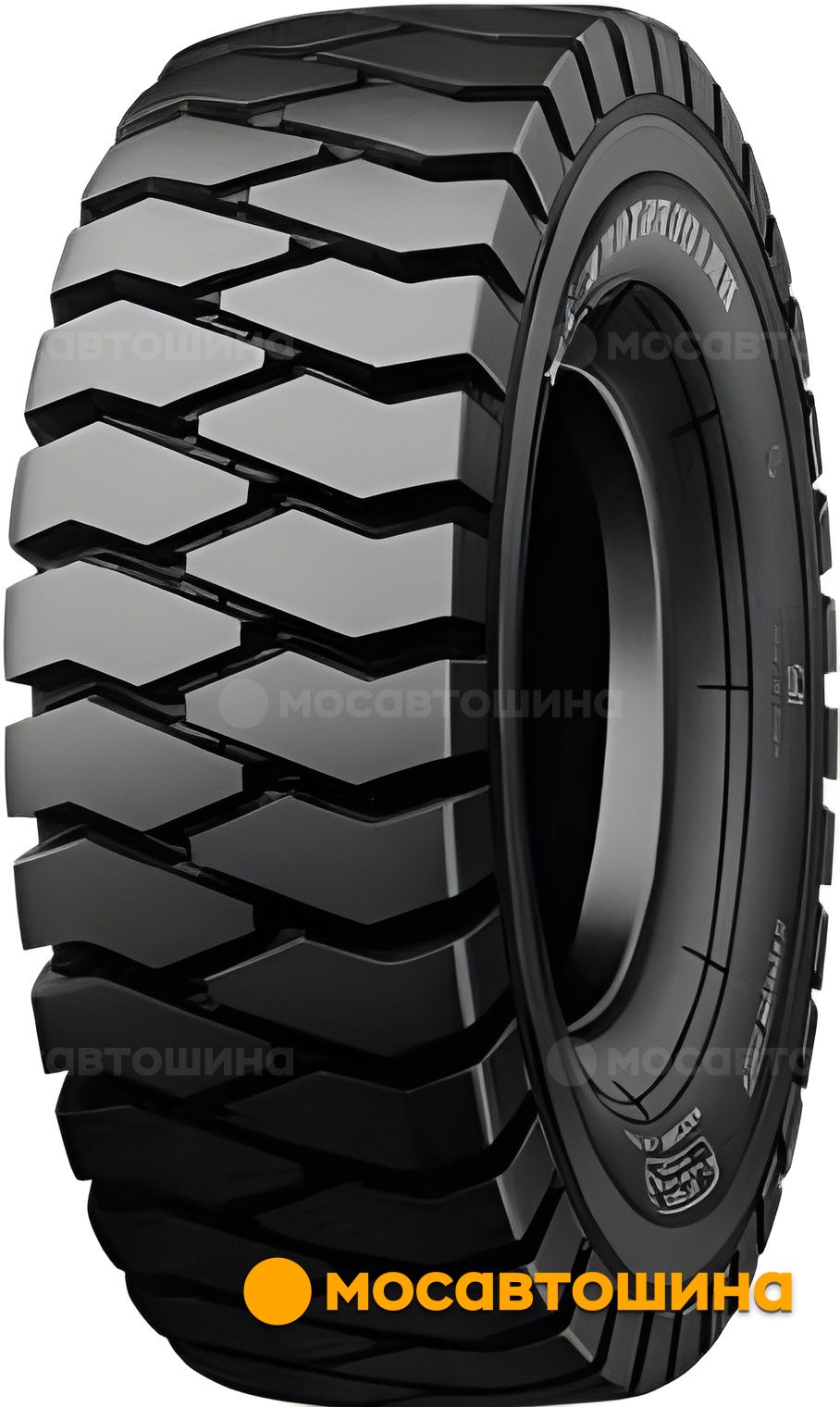
 Bridgestone J-Lug
Description Bridgestone J-Lug
By giving preference to Bridgestone products, you can be sure that you are paying for truly high technologies and quality materials. The Bridgestone J-Lug tire, designed for use on trucks and special equipment, is no exception. One of the advantages of this model is the possibility of its use at any time of the year and in almost any weather conditions. This is a universal option that allows you to save not only time but also financial costs for maintaining special equipment. At the same time, universality fully compensates for some uneven wear and sufficient noise.
Such a tire is mainly used on tractors, forklifts, and wheel tractors. It is also suitable for heavy trucks and various construction machines.
Transverse tread with high traction
This solution allows seriously improving the parameters of the tread's grip with the road surface. The grooves are sufficiently deep and located at a right angle to the plane of wheel rotation. The tread pattern is branched.
Thanks to the transverse tread pattern, the model feels excellent on various types of dirt roads. However, the resistance to slipping and lateral drift with such a design is slightly reduced. But it is possible to achieve the desired parameters due to the features of the proprietary tread pattern and the innovative composition of the rubber mixture.
High reliability of diagonal cord
The technology of the diagonal cord implemented in the tire significantly increases the protection of its side areas from damage. The guarantee of this is a multi-layered structure of threads intersecting in the center of the tread. Thus, the tire is not afraid of stone impacts, fragments, and ground irregularities.
Main features of the Bridgestone J-Lug tire
- dense rubber demonstrating a high degree of resistance to punctures;
- excellent grip with the road surface;
- the ability to work on roads with any road surface quality;
- high degree of protection of the sidewalls from negative mechanical impact;
- high degree of elasticity, allowing to effectively perceive braking and traction efforts, as well as vertical load;
- low rolling resistance;
- a democratic price compared to radial analogs.