Tyres and wheels for Pontiac Bonneville, wheel size on Понтиак Бонневилль
Подбор шин и дисков по автомобилю Понтиак Бонневилль
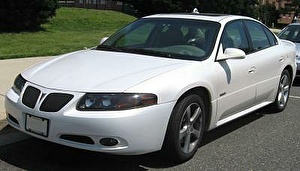
Другие модели Pontiac
Pontiac 1000, Pontiac 2000, Pontiac 6000, Pontiac Acadian, Pontiac Aztec, Pontiac Bonneville, Pontiac Catalina, Pontiac Fiero, Pontiac Fiero GT, Pontiac Firebird, Pontiac G3, Pontiac G4, Pontiac G5, Pontiac G5 Pursuit , Pontiac G6, Pontiac G8, Pontiac Grand AM, Pontiac Grand Prix, Pontiac Grand Prix GXP, Pontiac Grand Ville, Pontiac GTO, Pontiac Lemans, Pontiac Matiz, Pontiac Montana, Pontiac Montana SV6, Pontiac Phoenix, Pontiac Solstice, Pontiac Sunbird, Pontiac Sunfire, Pontiac Tempest, Pontiac Torrent, Pontiac Trans Sport, Pontiac Vibe,Параметры дисков на Понтиак Бонневилль
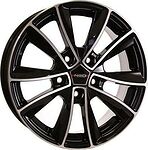
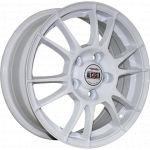
- PCD 5x115 диаметром от 15 до 17, шириной от 6 до 7.5 и профилем от ET41 до ET52как у Buick Lucerne
- PCD 5x120.65 диаметром от 14 до 14, шириной от 6 до 6 и профилем от ET8 до ET8
- PCD 5x127 диаметром от 14 до 14, шириной от 6K до 6K и профилем от ET19 до ET19
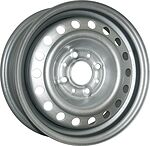
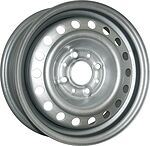
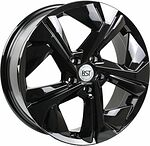
Tires on Pontiac Bonneville
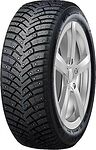
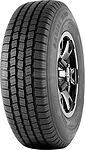
- Tyre size from R14 to R18, width from 195 to 235 and profile from 50 to 75S.
- Minimum tyre size: 195/75S R14, maximum: 8.55 R14LT











Tires on Pontiac Bonneville (Понтиак)
The Pontiac Bonneville was produced from 1957 to 2005, undergoing numerous changes that each altered the model's concept in its own way. Within the lineup, one can see the evolution from an impressive full-size "cruiser" with expressive tail fins to a more restrained, yet technologically advanced sedan, oriented towards traction, smooth ride, and rich equipment.First Generation
The Bonneville, which debuted in 1957, was a showcase of the brand's capabilities: an extended body on a frame, massive panels with an abundance of chrome and streamlined elements, characteristic of the American "jet" aesthetic era. The suspension was lever-spring in the front and dependent in the back, tuned so that the car seemed to "float" on the highway.
Technologically, these versions stood out with early electronic fuel injection systems on limited series and powerful V8s with large carburetors, massive cast-iron blocks, and then still simple distributors. The interior was a mix of vinyl and metal inserts, a dashboard with deep markings, and seats with dense spring blocks. The wheel disks were mainly 14-inch stamped, with wide hubcaps and a characteristic ventilation pattern for the drums of that time.
Second Generation
The Bonneville of the second iteration, released in 1961, became more massive and, at the same time, more reliable in terms of technology. The frame construction received additional reinforcements and spot welding according to a new scheme, reducing vibrations. The V8 lineup was equipped with improved cooling systems and more stable carburetors. On cars with an automatic transmission, updated hydraulic blocks were later used, which significantly improved behavior during gear shifts.
Inside, soft plastic and new types of vinyl were actively used, which were less prone to cracking. On more expensive versions, decorative inserts made of natural wood and reinforced panels with additional sound insulation were encountered. The disks were still stamped but already had a changed profile of the central part and a more robust rim. The diameter was 14 and 15 inches, depending on the version.
Third Generation
The model presented in 1965 continued the trend of increasing dimensions, receiving a body with more harmonious proportions: a long hood, visually lightened stern, and a solid wheelbase. The chassis was redesigned - the updated front suspension provided more comfort when driving straight and gave better accuracy when turning, along with modified attachment points for the rear axle. Additionally, more technological components appeared: generators replaced old regulators, crankcase ventilation systems became closed, and combustion chambers changed in the V8, which became noticeably more traction-friendly and economical. The interior significantly improved ergonomics: seats with improved frames, more informative instruments, and quality fabrics. The disks were 15-inch, sometimes with decorative chrome elements and a thicker wall, leveling out the increased mass of the car.
Fourth Generation
The external appearance and technical design of the cars of the fourth iteration, which debuted in 1971, were largely determined by the tightened safety standards. The model received energy-absorbing bumpers and a redesigned geometry of the front part. The weight of the car once again increased, which led to the use of more powerful braking mechanisms, stiff suspension, and reinforced hub units.
The model stood out with greater fuel economy compared to its predecessor. This was achieved through modernized engines, which received a variable valve timing mechanism and an increased compression ratio. The interior was notable for foam fillers in the seats, soft panels, and thicker carpeting. The wheel disks were mainly 15-inch stamped, less often cast on top versions.
Fifth Generation
The car of the fifth iteration, which appeared in 1977, changed the body proportions, becoming more compact, significantly lighter, and more economical. Its design widely used elements made of high-strength steel. This was complemented by a new chassis, which was quieter and smoother on the go, as well as a steering system with increased accuracy. The interior received more refined but sturdy plastic, new seats with improved lateral support, and wear-resistant fabrics. The disks were 14 and 15 inches, predominantly stamped, with improved balancing.
Sixth Generation
The car that debuted in 1982 radically changed its concept, transitioning to a new platform with a bearing body and front-wheel drive. The chassis changed similarly - MacPherson struts in the front and a semi-independent beam in the back, adapted to a more compact body.
The engine range was completely updated, consisting of modern engines with electronic control units and injector fuel injection systems. In turn, the interior stood out with soft plastic, seats with an ergonomic profile, and extensive equipment.
Seventh Generation
The car of the next iteration continued the trends laid down by its predecessor, differing from it with a more streamlined body and expanded equipment. Improved ABS systems appeared, a new type of power steering, and a quieter suspension layout. Inside, there was a new style of instruments, higher density fabrics, soft door trim, and an extended list of additional systems. The disks were 15- or 16-inch.
Eighth Generation
In the eighth iteration, the car transformed into a full-size sedan, which retained a connection with its predecessors only at the level of dynamic qualities. Under the hood were engines from the 3800 series developed by Buick, providing, in addition to decent traction, fairly good fuel economy. The interior, in turn, was finished with quality plastic in the base versions, natural leather, and "wooden" inserts in the top versions, which also received more sound-insulating materials.
Ninth Generation
The car of the ninth iteration, released in 2000, which became the final one for this model, was created on the G platform, shared with the Buick LeSabre. The key difference was the width of the interior, the largest in its segment, as well as the presence in the lineup of an "atmospheric" gasoline V8 from Cadillac with a volume of 4.6 liters.
The interior combines soft plastic, comfortable seats with developed lateral support, leather upholstery options, and improved sound insulation. The disks are 16 and 17 inches, cast on most versions. This and other products for any generation of this model can be easily found in the online store "Mosavtoshina".
Advantages of selecting tires for Pontiac Bonneville on our website:
- The catalog takes into account the differences between the generations of this car, including the transition to front-wheel drive, changes in mass, and standard rim sizes;
- Stamped and cast disks from 14 to 17 inches are always available for different versions of the model, including late trim levels;
- Part of the assortment can be purchased with discounts, which is especially useful when selecting sets for seasonal replacement;
- The search system on the site automatically selects the optimal loads, profile, and diameter, considering the characteristic smoothness of the ride and comfort requirements.