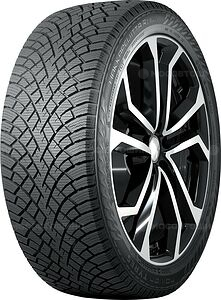
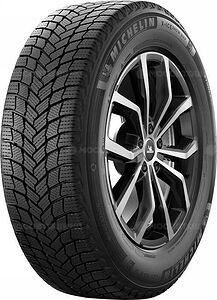
A good balance of characteristics High traction, good lateral stability and predictable behavior on ice Good performance on wet surfaces High lateral stability on dry pavement Low noise level
Slightly inaccurate reactions to steering wheel turns on dry pavement
An excellent premium tire with no significant drawbacks, providing a high level of safety in any conditions
Short braking distance and high lateral stability on wet pavement Very high resistance to aquaplaning Fast response to steering wheel turns on dry pavement Good performance on snow
Increased noise
Tires with excellent wet performance, which are also effective on dry asphalt and snow, and on ice, they only slightly inferior to the best premium competitors in this regard
Stable handling under load and overall very good performance on dry asphalt Good handling on ice, snow, and wet asphalt Very high resistance to aquaplaning
Relatively long braking distance on dry pavement
During development, the priority was clearly the driving qualities on asphalt, but Goodyear is also very effective in winter conditions and, for example, handles turns on snow and ice perfectly
High traction on ice Short braking distance on snow Very short braking distance and good handling on wet surfaces
In terms of handling on ice, they lag behind some other premium tires Relatively low traction on snow
Tires with an updated rubber compound were tested, which was supposed to enhance grip on wet surfaces, and in this regard, the indicators have indeed become better, however, it seems that the indicators on ice have suffered somewhat, due to which skidding can start faster than before
Good performance on ice High longitudinal grip on snow
Poor resistance to aquaplaning Long braking distance on dry pavement
Although Michelin have been presented for quite a long time, this is still a great option, and the tires are very efficient on ice in terms of longitudinal grip. At the same time, there are also disadvantages, such as reduced resistance to aquaplaning, and the overall level of characteristics is not as stable as that of fresher models from competitors
Relatively low traction and long braking distance on snow Relatively long braking distance and low lateral stability on wet pavement Reduced resistance to aquaplaning
Nordman tires are well-suited for winter conditions (in the ice handling test, handling was better than Nokian Hakkapeliitta 10), but on wet pavement the results are weak, meaning the tires lack balance of characteristics
High traction force and short braking distance on snow Good performance on dry asphalt
Relatively low results on ice Not the best handling on snow Increased noise
On ice, Hankook still lags behind premium-class tires, but the grip in similar conditions has become better than that of the previous generation model. At the same time, the noise level has increased.
Long braking distance and overall low grip on ice Poor handling on snow and dry surfaces Weak performance on wet surfaces Low resistance to lateral aquaplaning
Budget tire, whose only merit, apart from the low price, is good longitudinal traction on snow. In other respects, the indicators are low, and on a wet surface, the car in turns stubbornly tries to go straight, so it is not recommended to buy these tires