Summer tyre test by Autozurnal — 2026
Slovak portal Autozurnal tested 10 models of summer tyres in size 215/55 R18, some of which carry markings indicating they are adapted for use on both internal combustion engine vehicles and electric cars, while one model was specifically designed for electric vehicles. Half of the tyres tested belong to the premium segment, and the other half to the budget segment, with the Volkswagen ID.3 Pro hatchback serving as the test vehicle.
List of participants:
Goodyear EfficientGrip Performance 2
Kormoran Ultra High Performance
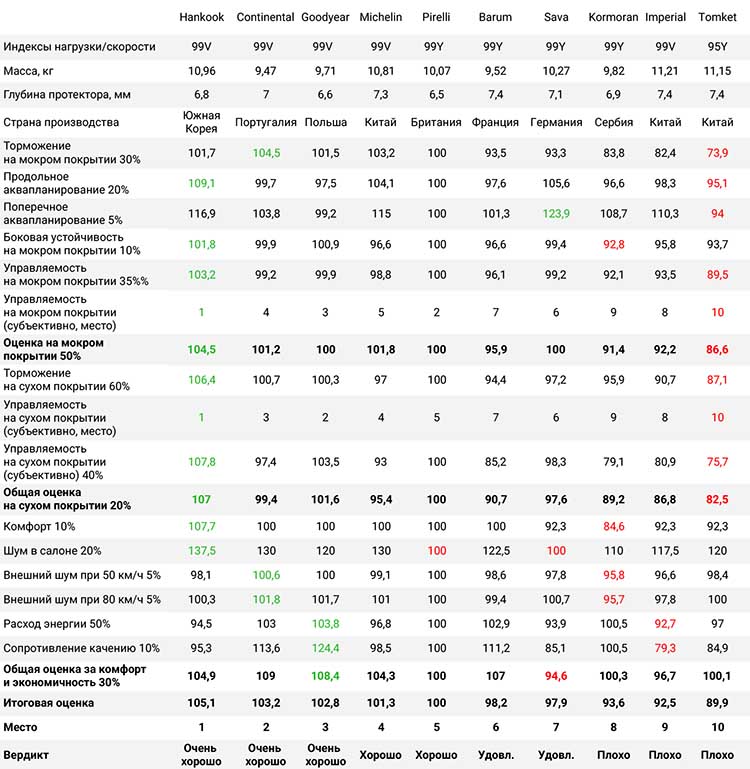
When braking from 100 km/h on wet surfaces, the shortest stopping distance was achieved by Continental, while the Tomket result was over 15 meters longer, meaning the vehicle would still be travelling at 49.3 km/h.
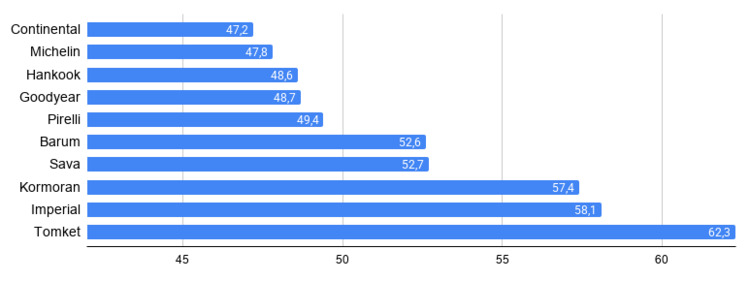
In the wet handling test, Hankook emerged as leaders, while Tomket again trailed behind.
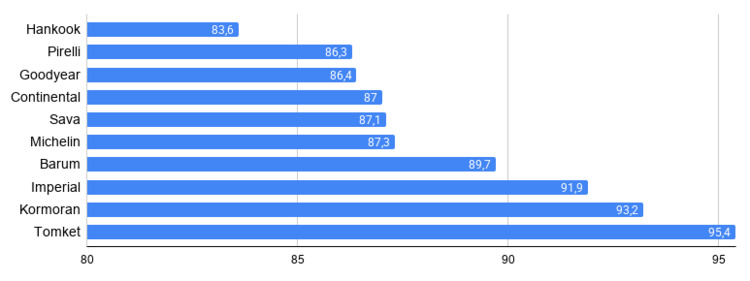
On the wet circular track, which evaluated tyre resistance to lateral aquaplaning, differences between tyres were minor, with Hankook, Goodyear and Pirelli taking the top spots.
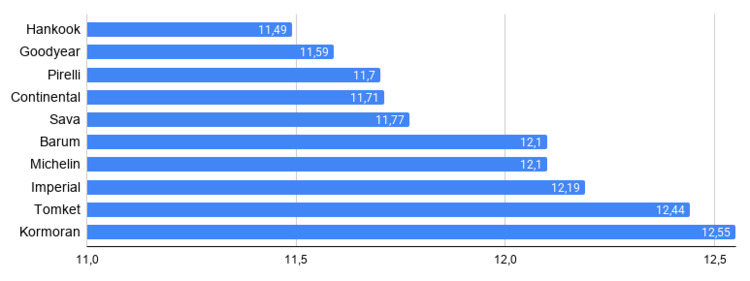
Hankook also performed best in resistance to longitudinal aquaplaning, while Tomket lost grip at speeds 10 km/h lower. A surprise was the weak performance of Goodyear, which placed seventh and were outperformed even by budget Imperial.
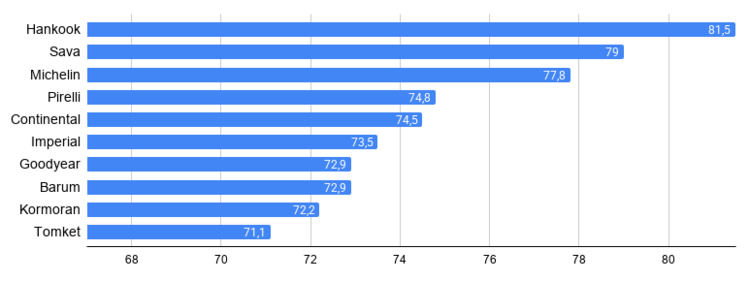
In tests evaluating resistance to lateral aquaplaning, the rankings shifted, with Sava tyres taking first place. Meanwhile, Goodyear again showed very poor results, indicating their tread pattern does not effectively disperse water.
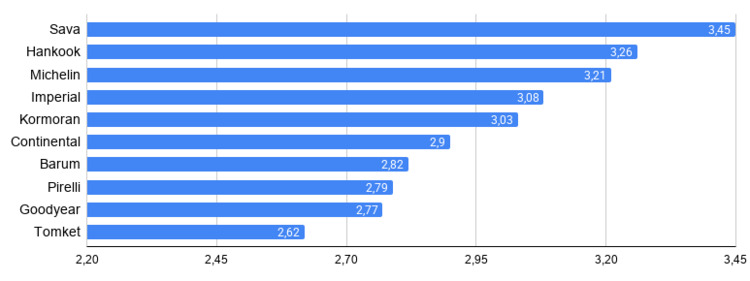
On dry surfaces, the shortest braking distance was achieved by Hankook, while the residual speed of the vehicle on Tomket (when decelerating from 100 km/h) was 41.3 km/h.
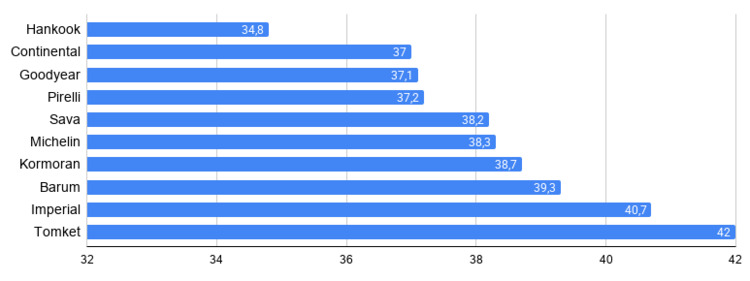
Hankook excelled on dry surfaces in both longitudinal and lateral grip, allowing them to outperform competitors in the handling test. High scores were also awarded to Goodyear and Pirelli.
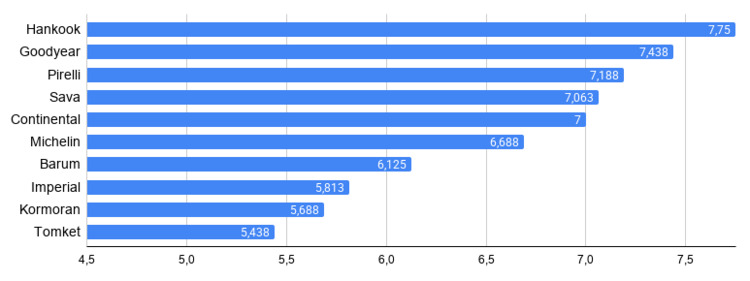
Hankook were rated best for comfort, both mechanical and acoustic, being the only tyres in the test equipped with a layer of sound-absorbing foam. The least comfortable were Kormoran.
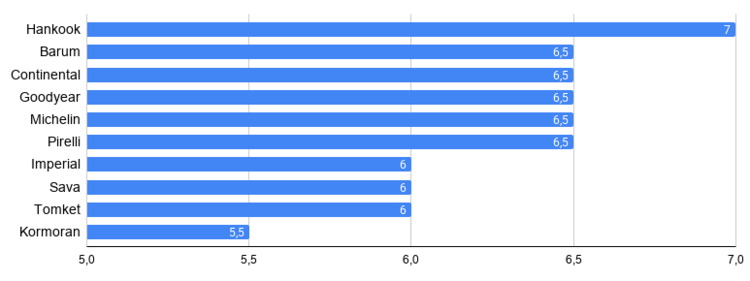
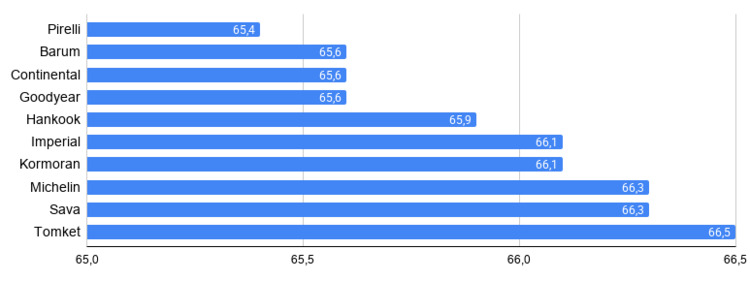
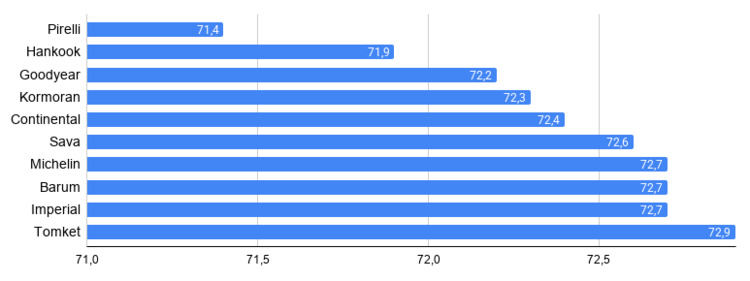
Although Hankook had a theoretical advantage in noise tests due to their foam layer, the quietest tyres at both 50 and 80 km/h were Pirelli. The noisiest were Tomket, although differences between tyres were not substantial.
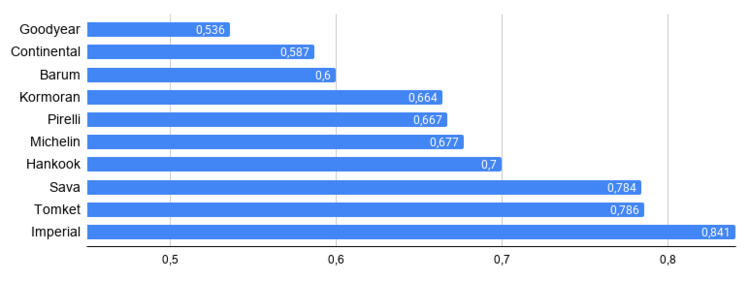
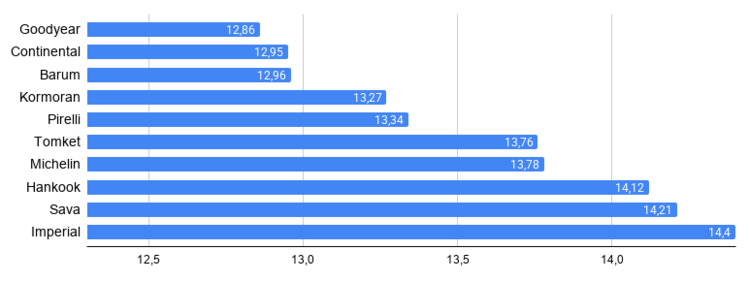
Goodyear tyres demonstrated the lowest rolling resistance, while Imperial tyres reduce fuel or electric energy efficiency.
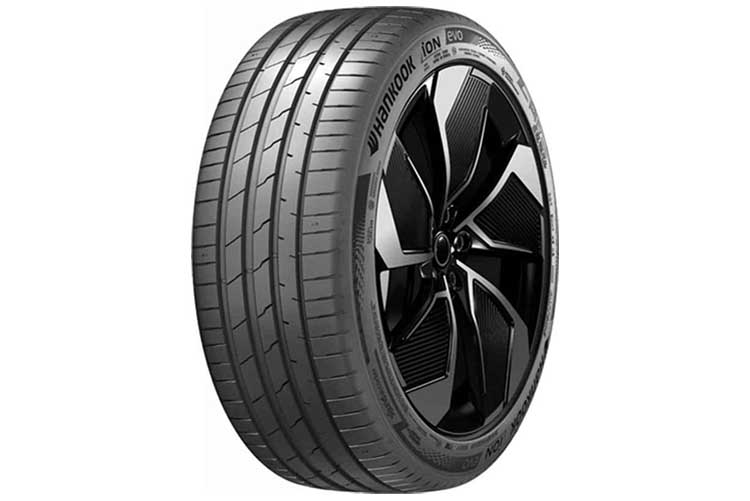
The test winner was Hankook iON evo, which confidently led in both dry and wet surface tests, particularly standing out for its superior handling on both surfaces. Additionally, these tyres offer low noise levels and good energy efficiency.
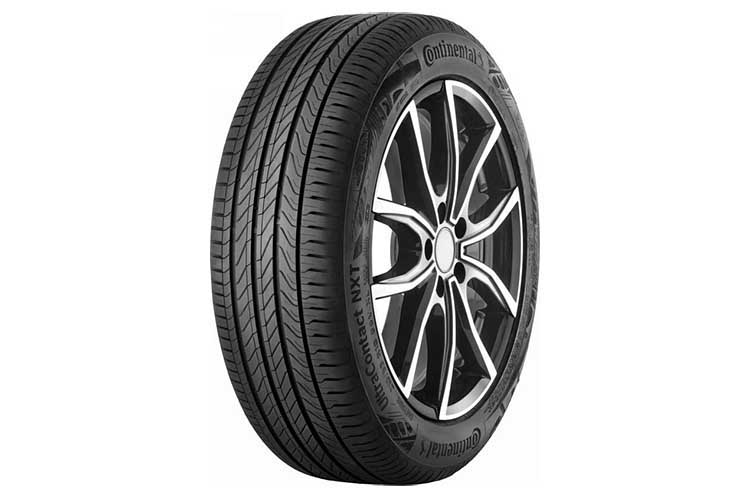
Following in second place is Continental UltraContact NXT, designed with an emphasis on longevity and performing well in all conditions, while also offering very low rolling resistance.
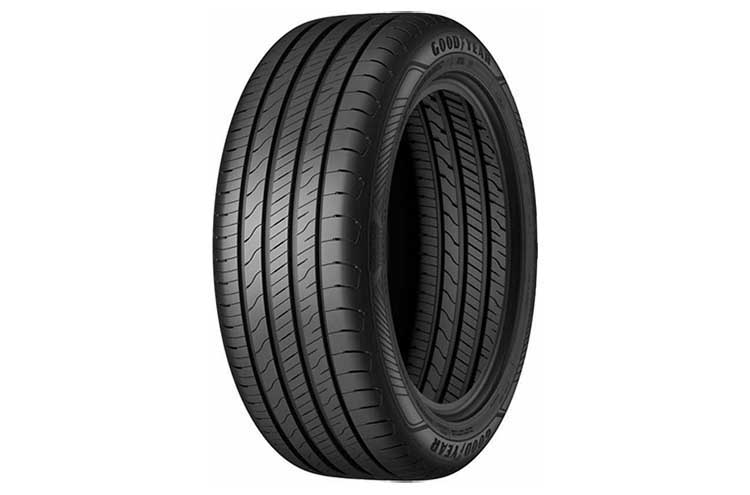
Goodyear EfficientGrip Performance 2 offers the best energy efficiency among the tested tyres, combined with excellent all-weather handling characteristics, securing third place overall. However, Goodyear tyres show reduced resistance to aquaplaning.
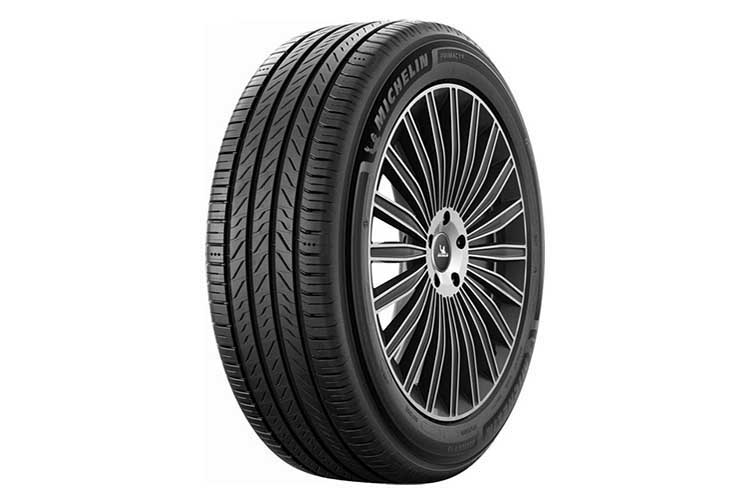
The Michelin Primacy 5 tyres tested were manufactured in China, and experts suggest this may explain why they were among the heaviest premium tyres in the test. Nevertheless, they provide a high level of safety, including strong resistance to aquaplaning.
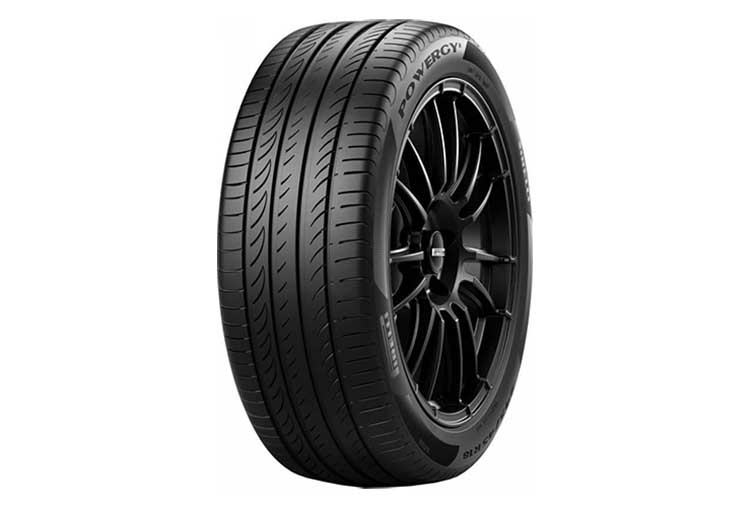
Pirelli Powergy stood out for having the lowest noise level, surpassing even Hankook tyres equipped with sound-absorbing foam. In addition, Pirelli tyres offer reliable grip, enhancing handling on both dry and wet surfaces.
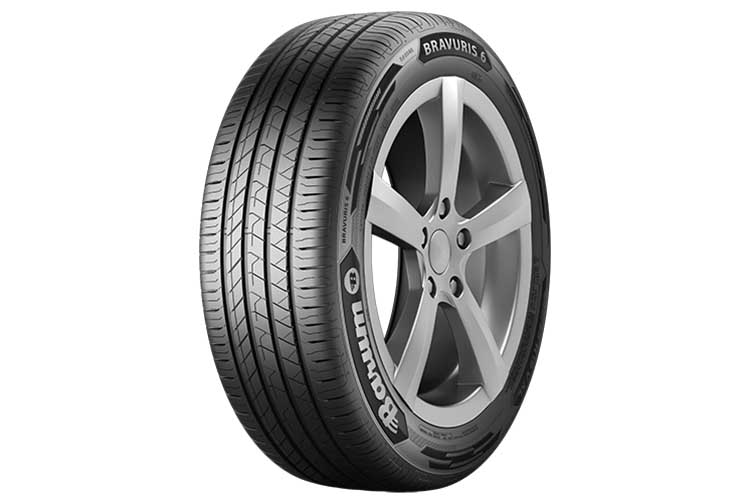
The best budget tyres were Barum Bravuris 6. Although their grip level was generally lower than the leaders, this Czech brand model received high marks for economy and comfort.
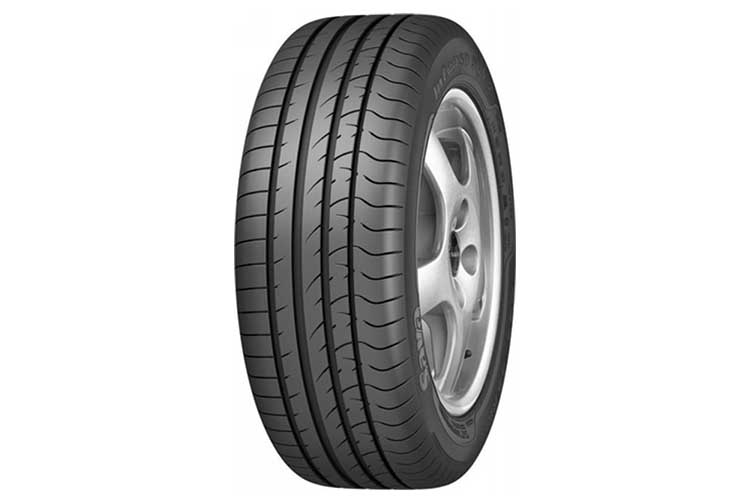
Sava Intensa SUV 2 tyres surprised by outperforming all competitors in the lateral aquaplaning resistance test. Handling was generally good, but the overall rating was reduced due to low comfort and efficiency.
Kormoran Ultra High Performance ranks ninth, with criticism directed at both handling and braking performance, while delivering the worst result in the "comfort" category. However, these tyres offer very good energy efficiency.
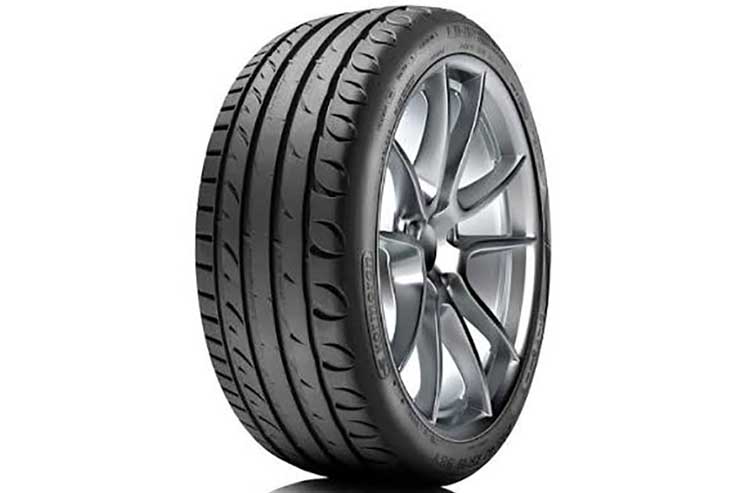
Imperial EcoSport SUV tyres perform well against lateral aquaplaning, but in other tests they consistently ranked at the bottom, including recording the weakest lateral stability on wet surfaces among all tested tyres.
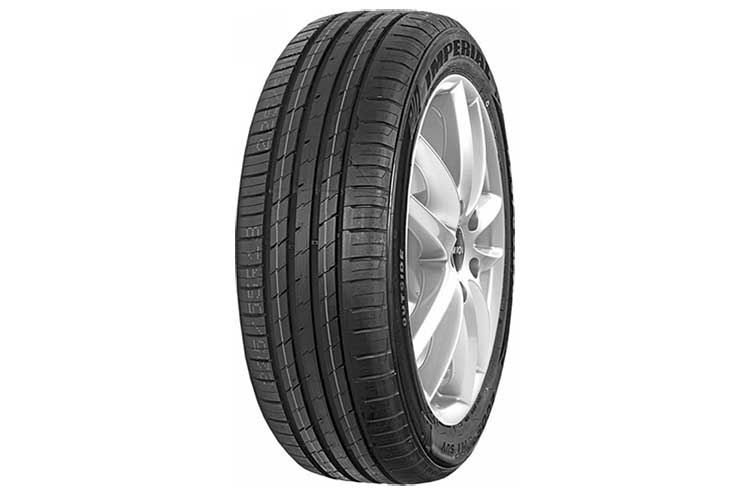
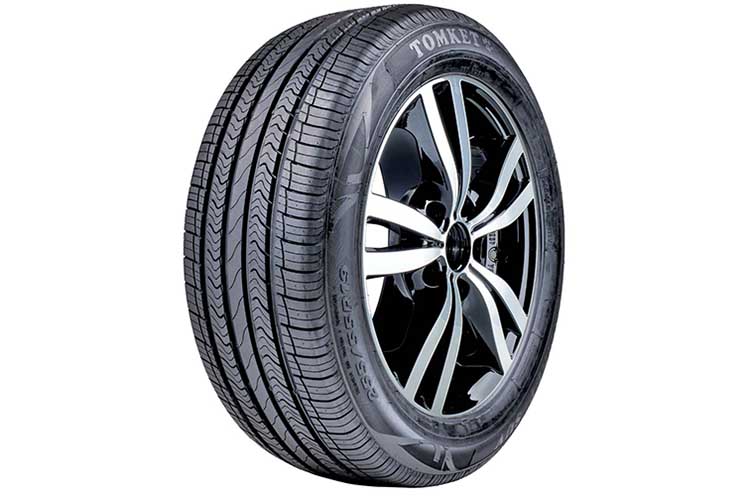
Last place went to Tomket SUV tyres, which showed very poor grip in all conditions. Most concerning was their braking distance from 100 km/h on wet surfaces, which was a full 15 meters longer than the leader, posing a direct safety risk.
Source: Autozurnal