ADAC 17-inch winter tyre test — 2026
In its second winter tyre test of the season (test results for 15-inch tyres can be read here) ADAC compared 16 tyres in size 225/50 R17, revealing significant differences between them and awarding a “Poor” rating to every third model, including two from major Japanese manufacturers. Additionally, one budget tyre surprised with top scores on snow—but then delivered such poor results on asphalt that it ended up last overall.
List of participants:
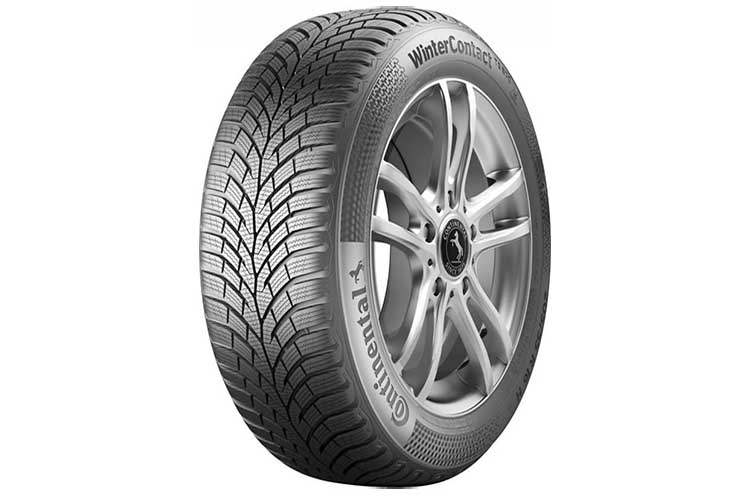
Continental WinterContact TS 870
Dunlop Winter
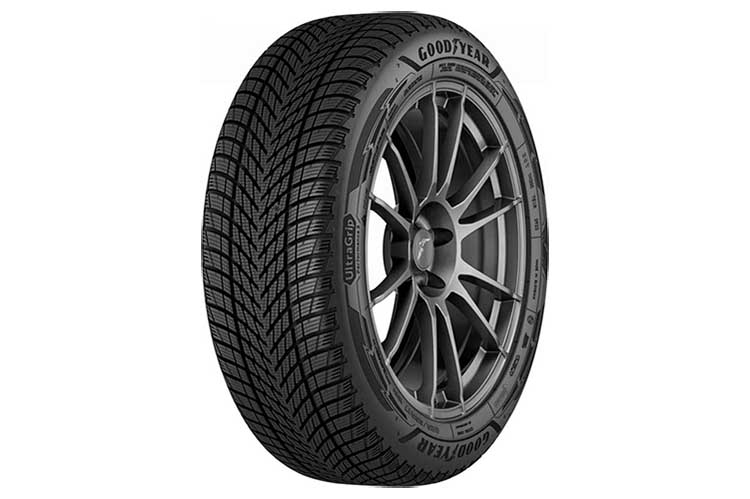
Goodyear UltraGrip Performance 3
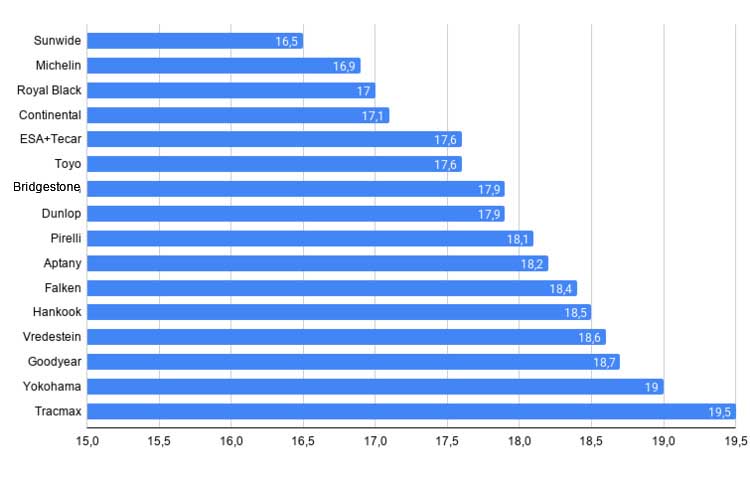
Budget Sunwide tyres delivered a surprise in snow and ice tests, demonstrating very effective braking and, according to experts, decent handling. The weakest performers in this part of the test were Tracmax, while Toyo tyres also showed poor grip on snowy surfaces, which affected their final rating.
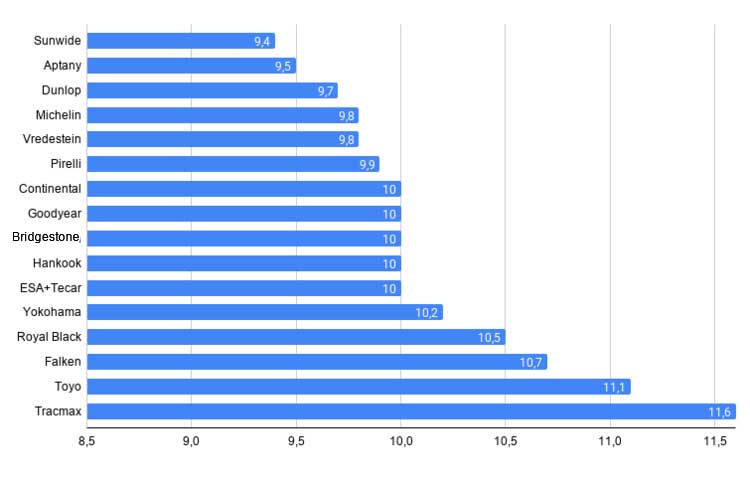
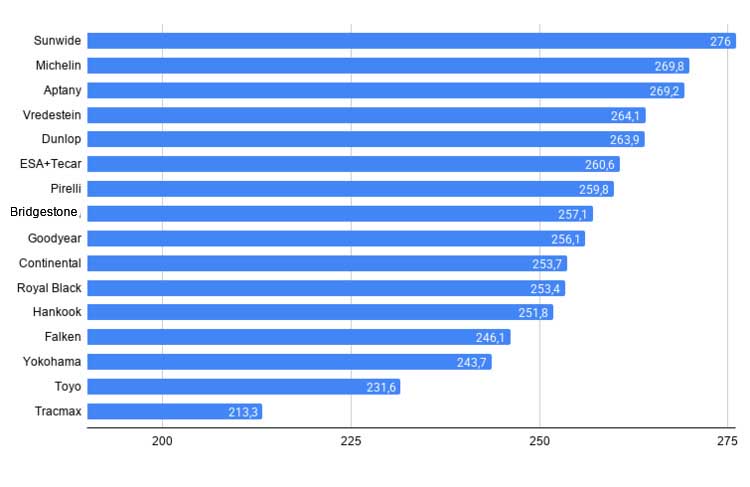
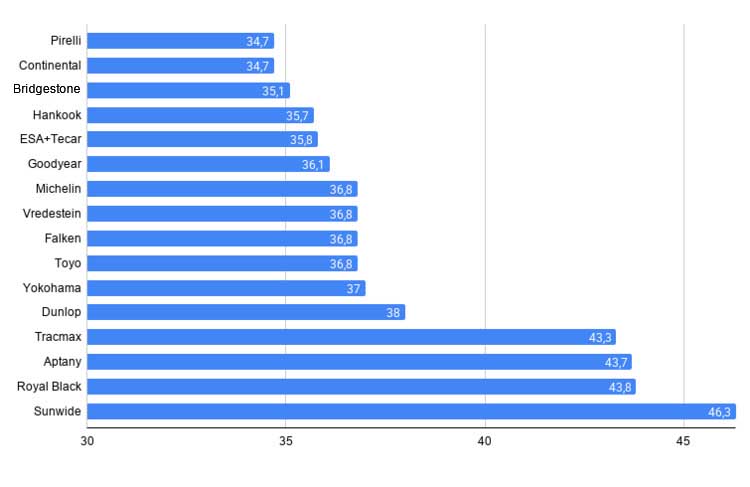
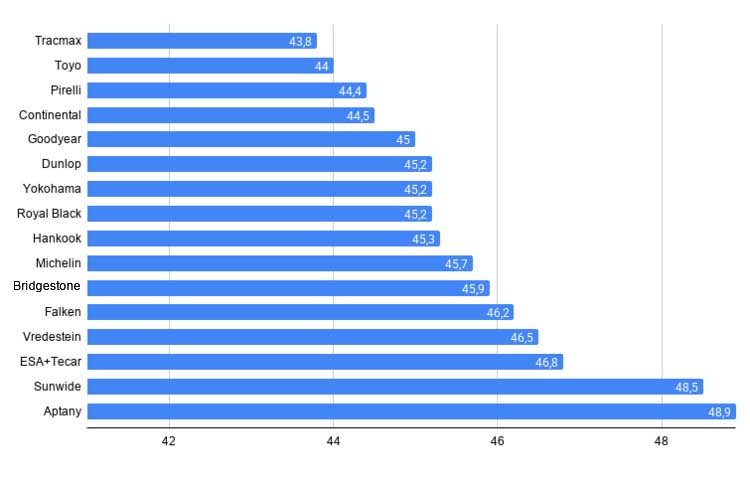
On wet surfaces, braking distances varied significantly. When stopping from 80 km/h, Pirelli and Continental managed to stop within 35 meters, while a vehicle fitted with Sunwide tyres was still moving at approximately 40 km/h at that point. Sunwide’s braking distance was 12 meters longer than the leaders’—equivalent to the length of three cars.
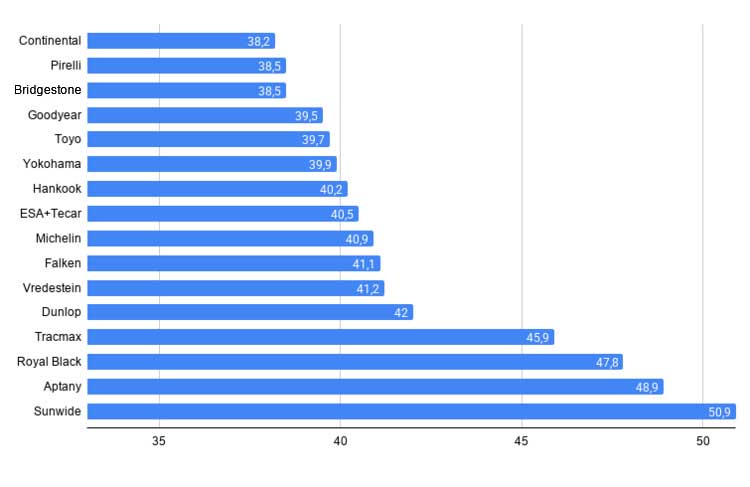
In tests for resistance to longitudinal and lateral aquaplaning, Pirelli and Continental again dominated, while the bottom positions were occupied by Royal Black, Sunwide and Aptany.
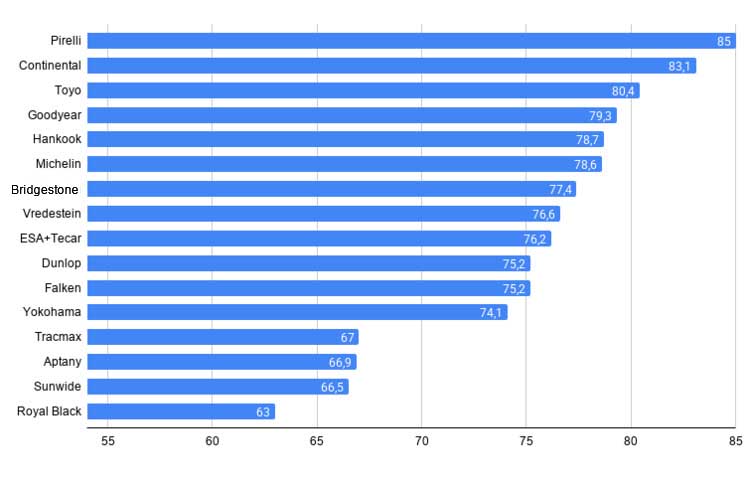
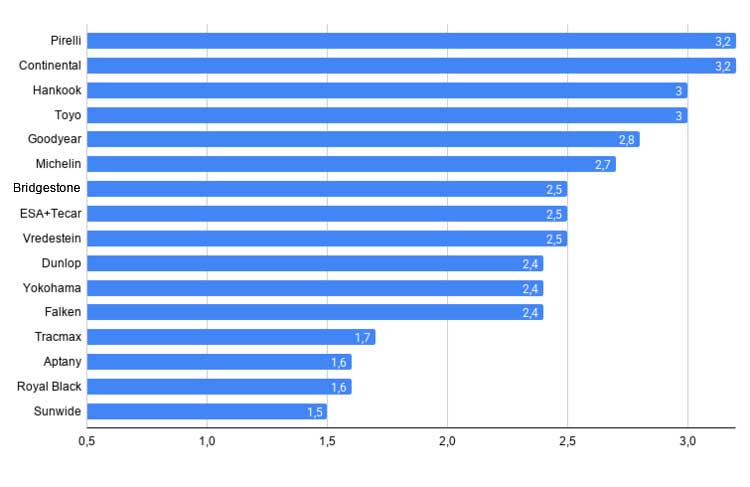
While Tracmax tyres are clearly unsuitable for snow, they achieved the shortest braking distance on dry surfaces. Sunwide performed poorly on dry surfaces as well, although Aptany’s result was even worse.
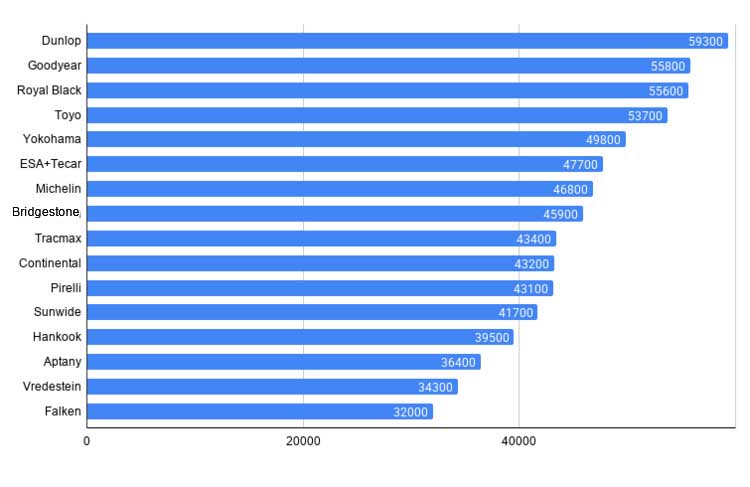
The most durable tyres in the test were Dunlop, helping them achieve the best environmental rating among participants. Goodyear tyres also demonstrated very high longevity.
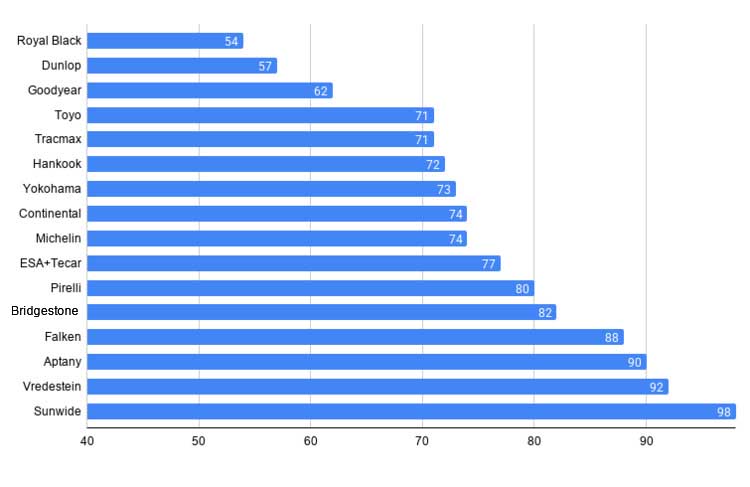
Dunlop also scored highly in the test measuring how many microplastics are released into the air as tyres wear, with Royal Black emerging as the best in this category.
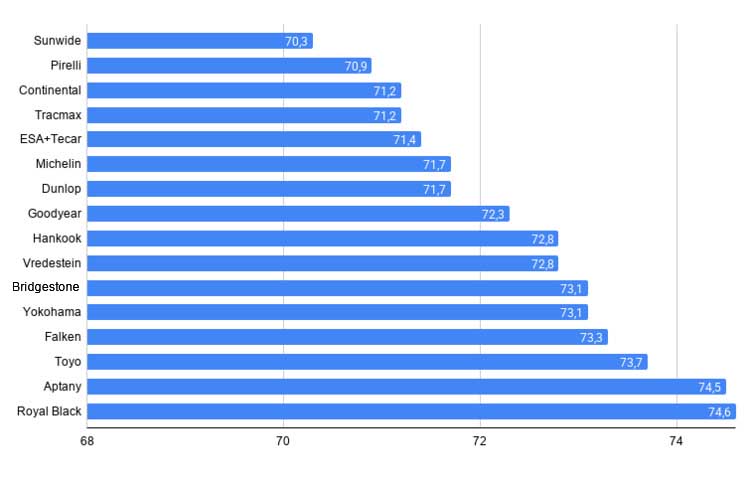
Tyre weight was also considered, with Michelin being the lightest and Yokohama and Tracmax the heaviest.
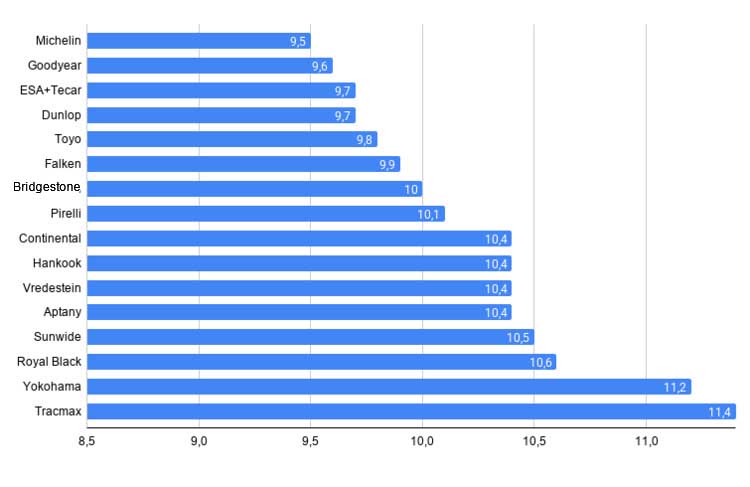
Yokohama also showed the worst energy efficiency among the tested tyres, while Royal Black took first place in this test.
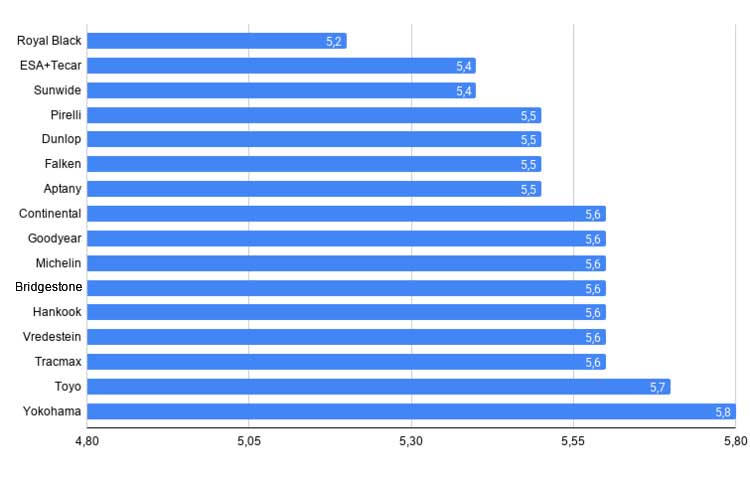
Sunwide, Pirelli and Continental led in external noise tests. Aptany and Royal Black were the noisiest.
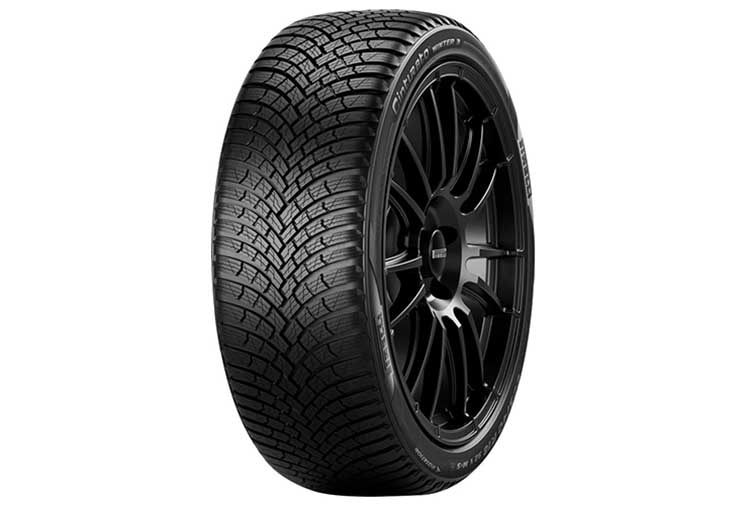
The test victory went to Pirelli Cinturato Winter 3, offering a very high level of safety and particularly impressing on wet surfaces with short braking distances, excellent handling, and strong aquaplaning resistance. Grip on dry asphalt is also reliable, meaning Pirelli has developed truly well-balanced winter tyres.
Second place went to Continental WinterContact TS 870, which also ensure necessary safety thanks to short braking distances on both dry and wet asphalt, though their rating was slightly reduced due to minor handling shortcomings on dry and snowy surfaces.
Next are Goodyear UltraGrip Performance 3, which stand out for their exceptionally high tread life combined with a well-balanced performance, showing only minor weaknesses on snow.
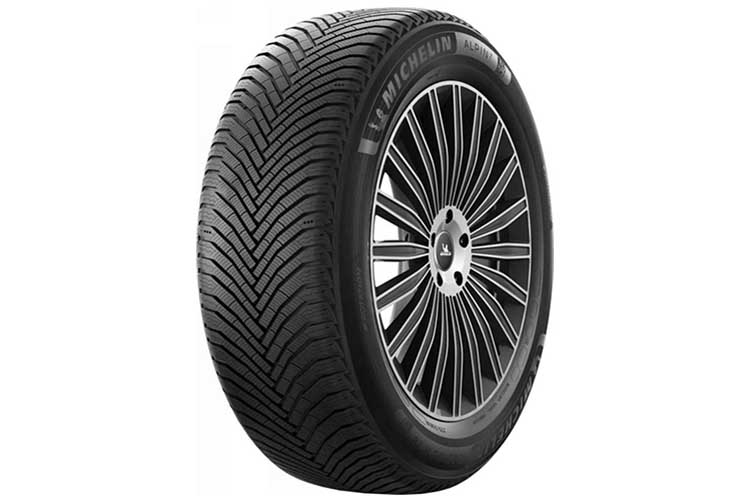
Michelin Alpin 7 also received a “Good” rating, performing particularly well in winter conditions. However, their insufficient handling on dry surfaces prevented them from achieving a higher ranking.
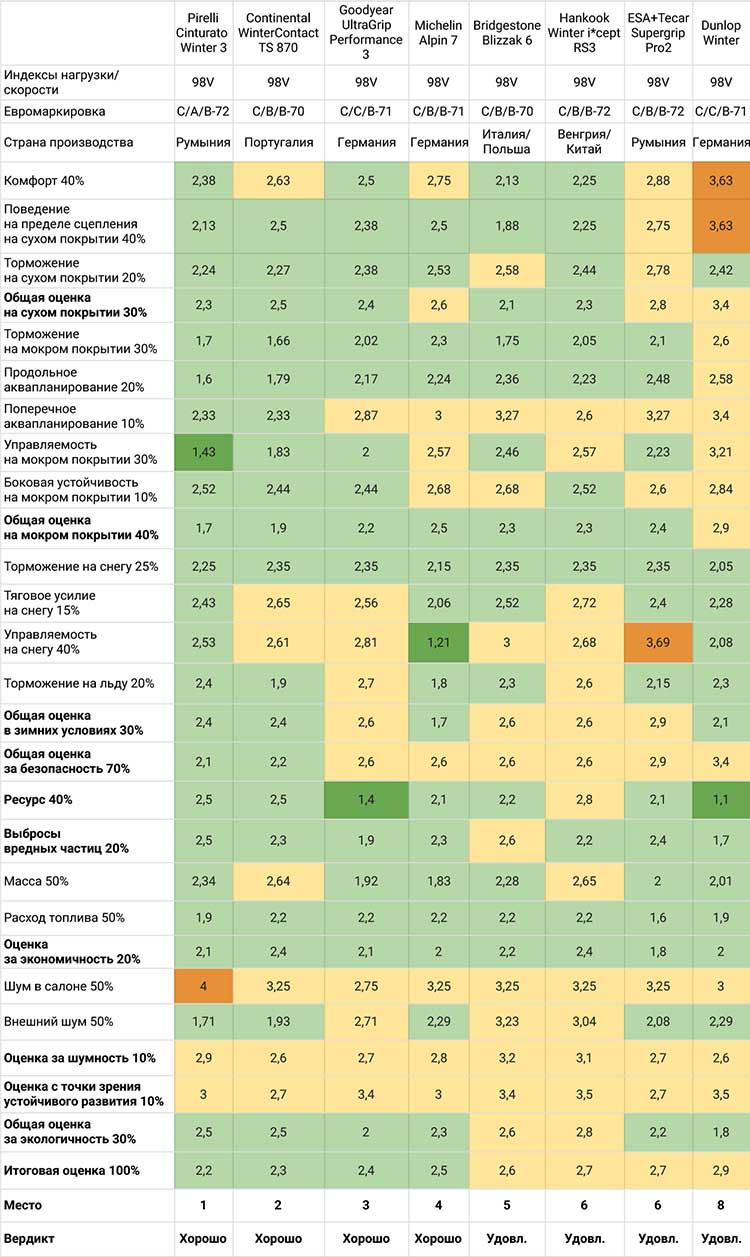
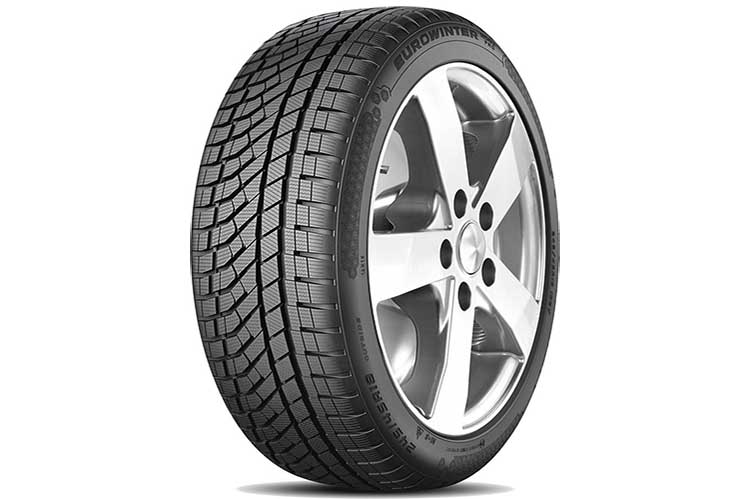
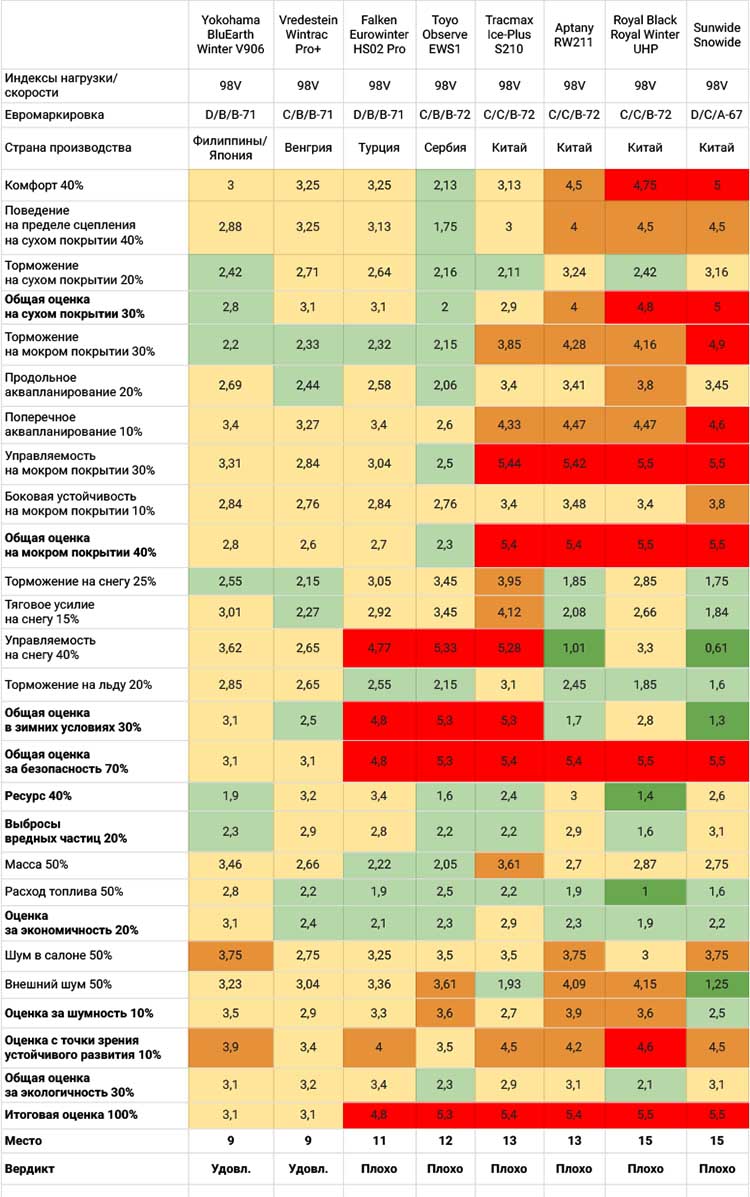
Six tyres received a “Satisfactory” rating, with their characteristics detailed in the tables. Another six models delivered unsatisfactory results. While the poor performance of budget tyres from lesser-known brands—Sunwide Snowide, Tracmax Ice-Plus S210, Aptany RW211 and Royal Black Royal Winter—was not surprising, the results of Falken Eurowinter HS02 Pro and Toyo Observe EWS1, produced by major Japanese companies (with Falken part of Sumitomo Rubber Industries’ portfolio), were disappointing.
Experts noted that Toyo performed nearly at the level of premium tyres on dry and wet surfaces, but their performance on snow changed dramatically. The tyres particularly lack lateral grip, making them prone to both understeer and oversteer.
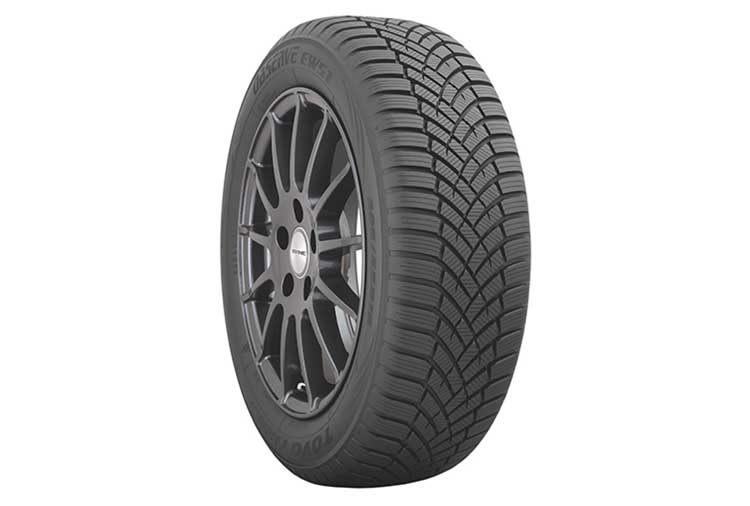
Falken also failed the tests on snowy surfaces due to clearly poor handling. ADAC questioned how tyres can be called winter tyres at all if they are unsuitable for snow and ice. At the same time, the Sunwide example shows that a tyre with excellent grip only on snow cannot be considered good either—safety across all surface types is essential.