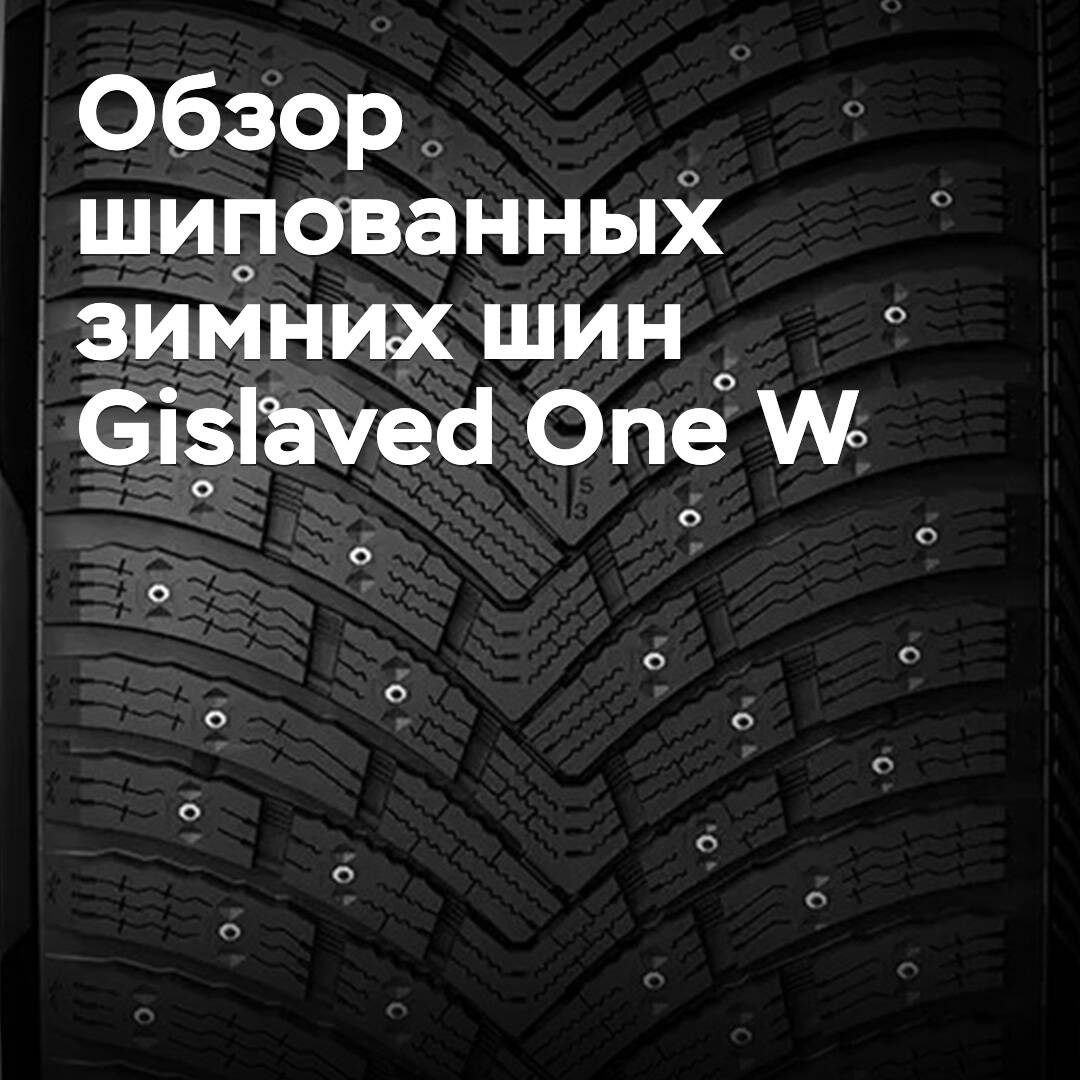
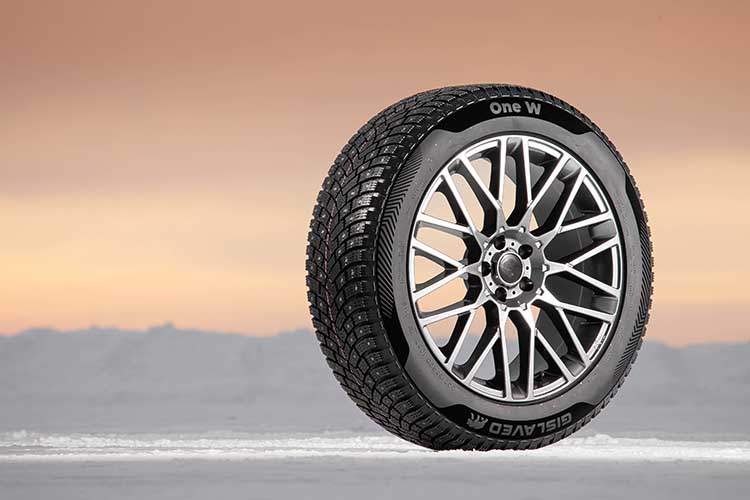
Review of studded winter tyres Gislaved One W
Gislaved brand continues its story that began back in 1893 in Sweden, and today tires for the Russian market under this name are produced by the domestic holding company "Kordiant," which unites five tire plants, including two formerly owned by Continental and Bridgestone. Previously, Kordiant offered tires under this well-known brand—elevated to the premium segment—with tread designs either copied or partially borrowed from products of the two former owners of the production facilities. This year, however, the situation is changing, and the market is seeing the first Gislaved tire developed entirely in-house by the holding and its R&D center Intair—Gislaved One W, which becomes the new flagship among Gislaved's studded winter tires.
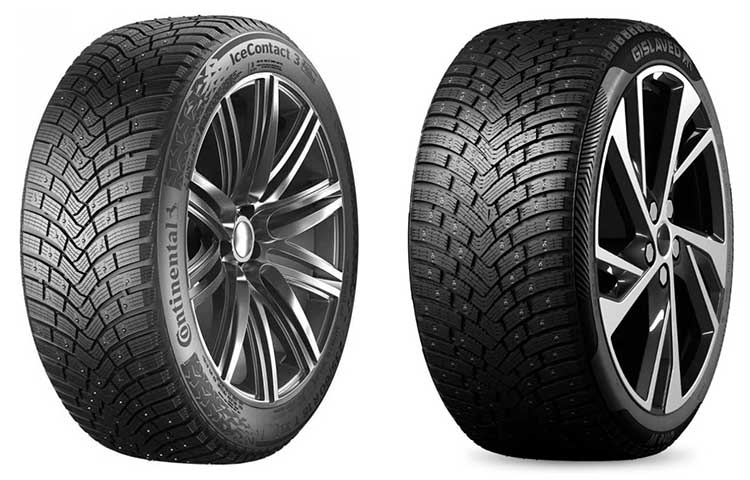
Online, there are opinions that the new model is a reworked Continental IceContact 3, but the manufacturer emphasizes that the development is entirely original, while acknowledging that engineering solutions from the former Bridgestone and Continental plants were used. As for how similar the tires look externally, that is for customers to decide.
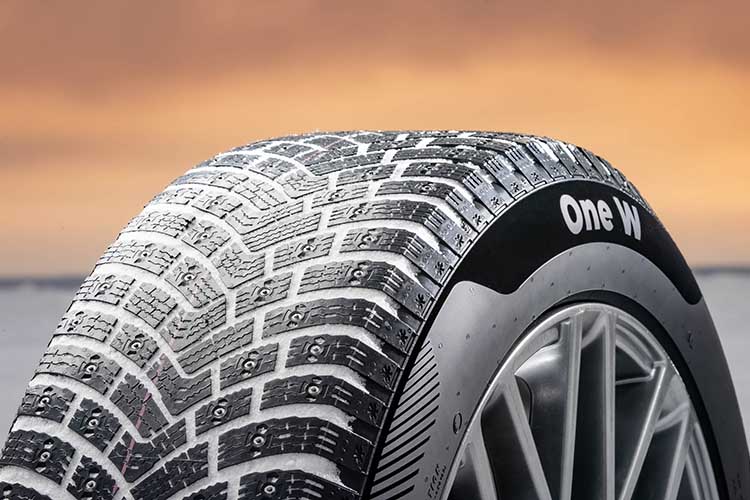
Like the vast majority of modern studded tires, One W features a directional tread pattern, whose key advantage is rapid water and slush evacuation from the contact patch—aided by drainage channels that widen toward the shoulder zones. Additionally, the tread void ratio (66%) has been optimized so that tread voids effectively grip snow, enhancing traction on snowy roads. The sipes and zigzag block walls create additional biting edges, improving tire reliability on snow and ice. Rigid bridges between tread blocks reduce tread deformation and improve handling, while the variable pitch pattern helps reduce noise levels.
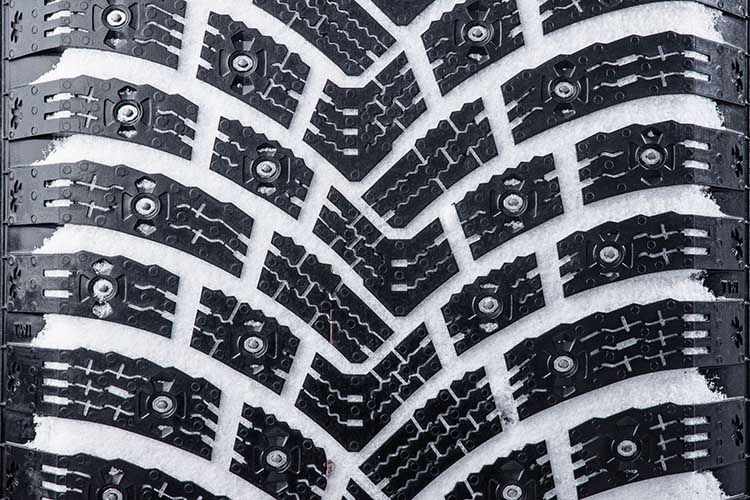
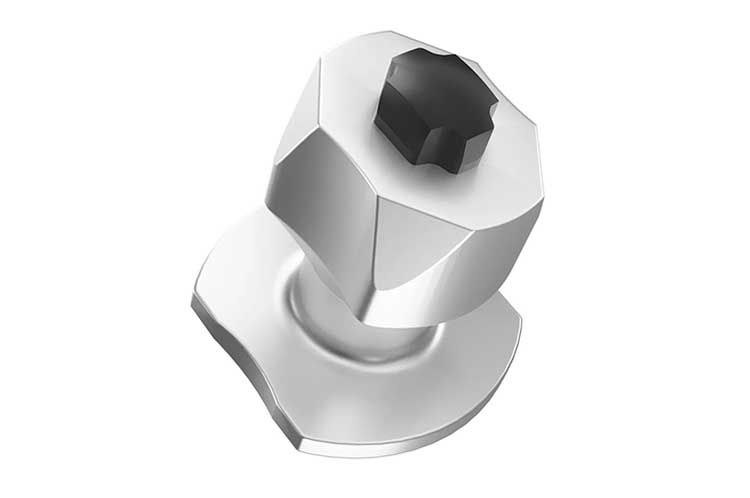
The studs for One W were developed in Finland and feature reduced mass, which also contributes to lower noise. A tapered tungsten carbide tip with a complex shape ensures effective penetration into ice surfaces; the company states this design optimizes force distribution, enhancing grip and stability. The stud body features a design intended to increase the support area for stronger grip, while lateral faces function under lateral loads, helping the tires follow the intended trajectory during cornering. Finally, the flange shape was engineered to prevent stud rotation and tilting, ensuring reliable fixation.
To improve stud retention in their mounting holes, the rubber compound was also refined, incorporating a special combination of two types of fillers that enhance tread wear resistance. Additionally, silica is used to boost wet-road grip, while a three-component blend of oil, resin, and synthetic rubber helps the tires maintain flexibility at low temperatures.
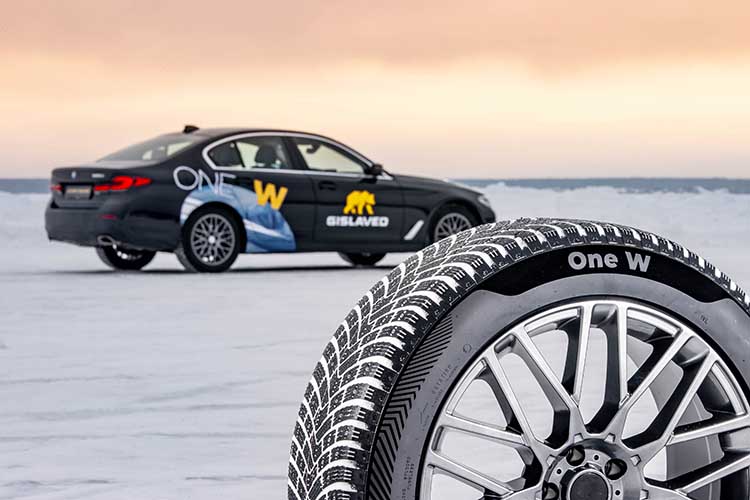
While some manufacturers place studs across the entire tread width, Kordiant adopted a different approach: studs are absent in the central zone and concentrated in areas where maximum pressure occurs during road contact. An optimal density of 110 studs per linear meter of tread was determined, arranged in 18 rows.
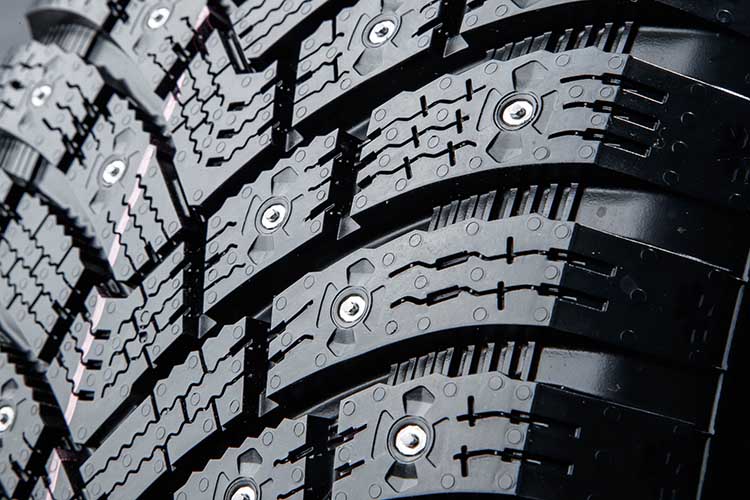
Manufacturers place special recesses around studs to collect ice particles generated when studs contact ice, maintaining stable grip. This feature has also been incorporated into the One W tread pattern, with a newly designed shape. According to the manufacturer, the depth and distance of the recess edges to the block edge were specifically modified to improve crushed ice evacuation efficiency.
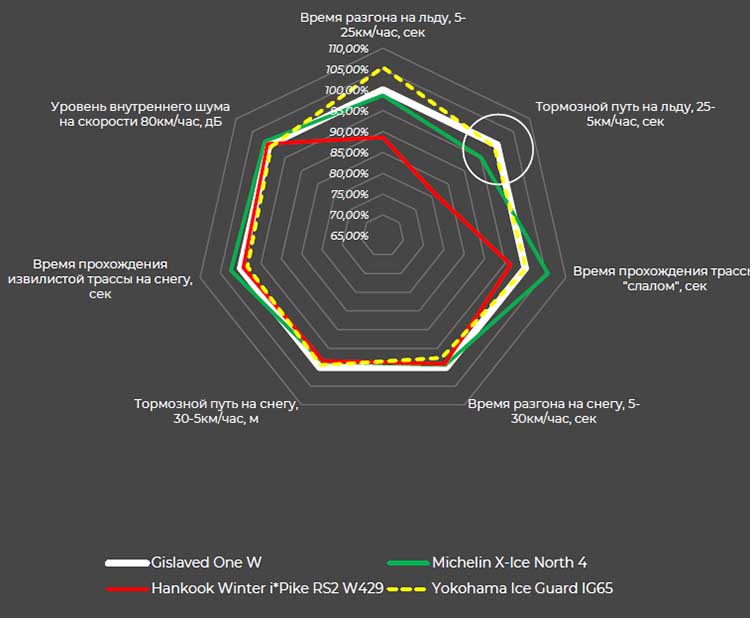
At the beginning of the year, comparative tests of the new Gislaved tires against foreign brands—Hankook Winter i*pike RS2, Michelin X-Ice North 4, and Yokohama iceGUARD iG65—were conducted on special tracks at the Dmitrov test facility. Traction on ice is crucial in this segment, and Gislaved outperformed Michelin, whose tires had a record number of studs at the time. The company emphasizes that One W offers the most balanced performance characteristics compared to other brands.
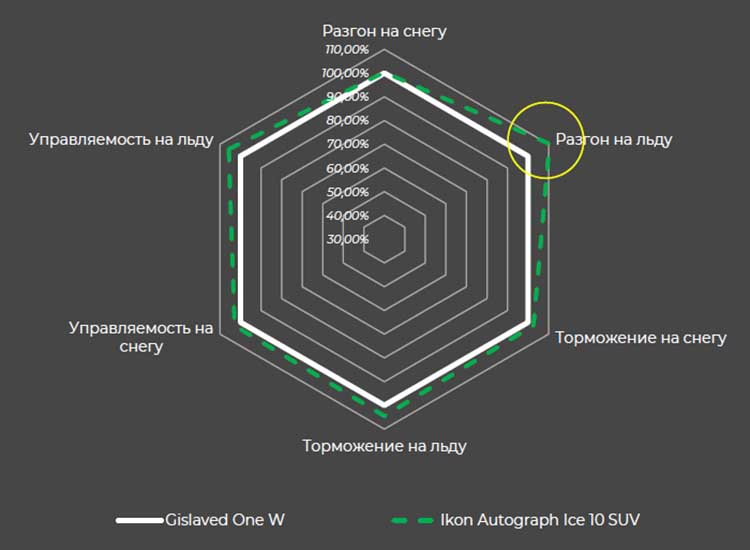
The main competitor to the new Gislaved tires among Russian-made products will undoubtedly be the premium Ikon Autograph Ice 10, which was also the first in-house development of its manufacturer and serves as the brand's flagship in the studded winter tire segment. In comparative tests with Ikon (in SUV version), both tires showed similar results, with Autograph Ice 10 slightly better in most disciplines, while One W demonstrated significantly higher acceleration performance on ice.
One W is also the first tire from Kordiant to be available in sizes with a 22-inch rim diameter, reflecting the growing popularity of large-wheeled Chinese crossovers in the Russian market. The company notes that expanding the size range is not as simple as it might seem, as it "requires significant financial and technological investment." The 22-inch tires will be produced at the former Continental plant in Kaluga. Additionally, the new model will be manufactured in Ulyanovsk (the former Bridgestone plant), and the lineup will include 75 sizes ranging from 205/55 R16 to 325/35 R22, with nearly half of them being 20 inches or larger.
Development of studded winter tires is naturally not the only focus at Kordiant, and the company has already begun gradually unveiling a new premium-class summer model named Gislaved One C, which will also be available in large-diameter sizes.