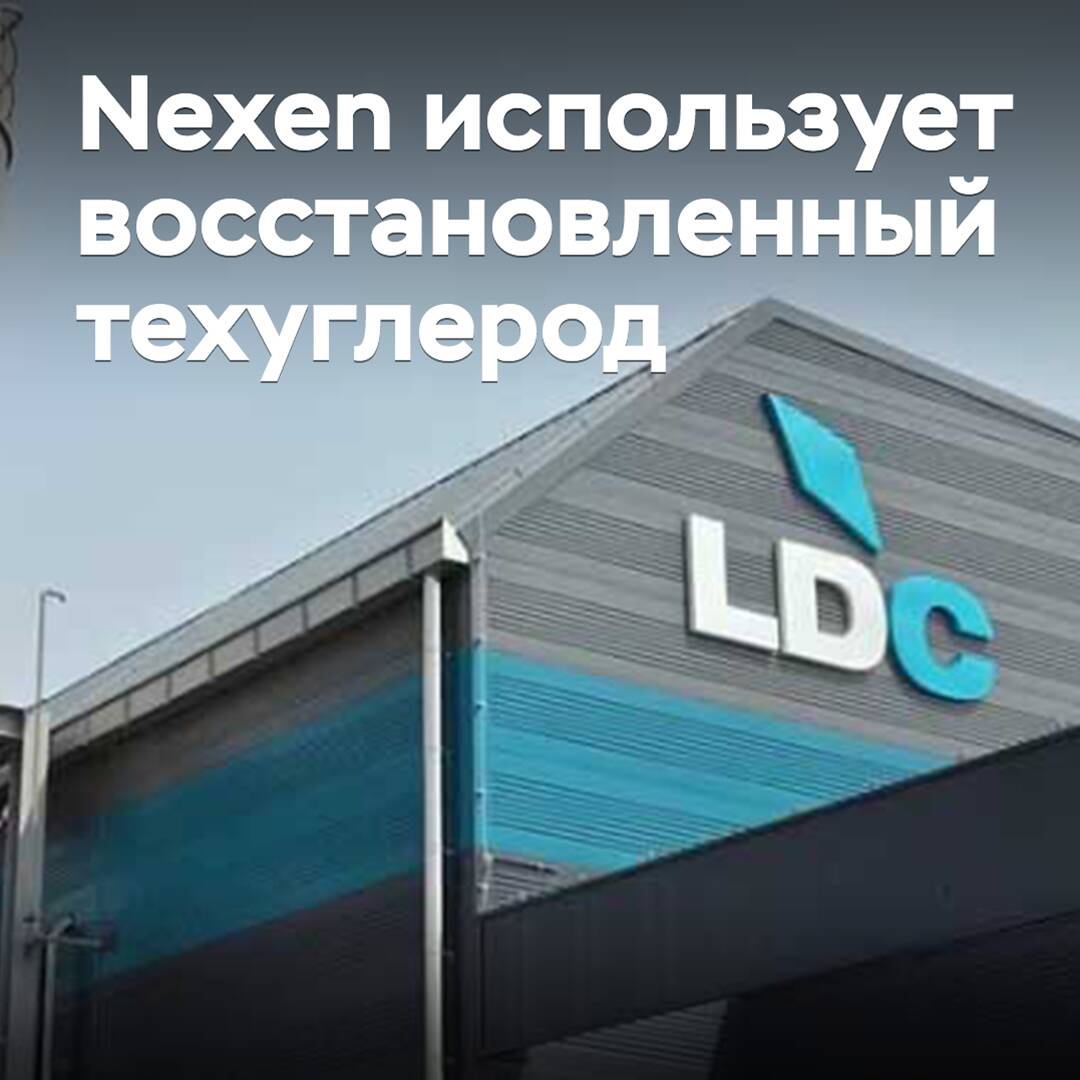
Nexen uses reclaimed technical carbon
Nexen Tire has signed a long-term agreement with LD Carbon to supply recovered carbon black (rCB), following the latter's recent launch of Korea's first tire pyrolysis plant. LDC produces rCB through the thermal decomposition of end-of-life tires in an oxygen-free environment (pyrolysis), which enables tire manufacturers to reduce CO2 emissions and promote the development of the recycling industry.
Thanks to the new agreement, Nexen will be able to expand the use of rCB, and the company emphasizes that carbon black is a key raw material in tire manufacturing, as it provides the necessary strength and durability. The use of recycled materials is a strategic choice that ensures both high product performance and reduced environmental impact. Additionally, the collaboration with LDC will allow Nexen to accelerate its transition to eco-friendly raw materials.
In the future, Nexen plans to use rCB in all its factories, starting with its Korean plants in Yangsan and Changnyeong, and then expanding to its facilities in Qingdao (China) and Zatec (Czech Republic).
"By using recycled materials in our global production system, we ensure the circulation of resources throughout the entire supply chain, and worn-out tires become raw materials for new tires," says Nexen. "This allows us to reduce environmental damage at all stages of our activity, from raw material procurement to product manufacturing."
It is expected that resource circulation will also help Nexen improve its competitiveness in the global market. The new "Eco-Design" (ESPR) regulation, recently announced by the EC, requires manufacturers to use a certain proportion of "green" materials in tire production, and Nexen notes that due to the trend of tightening environmental standards, the company is actively optimizing its supply chain.
Recently, Nexen developed technologies that enable the increase of eco-friendly raw materials in tires up to 70%, and the evaluation of the suitability of about 90 types of eco-friendly materials has been completed (this year, the properties of 12 more types will be evaluated). By 2045, the company plans to fully transition to the use of "green" raw materials.
LDC's new plant in Taejeon is considered the largest in Asia, and it is expected to produce up to 20,000 tons of rCB and 24,000 tons of pyrolysis oil per year.
Photo: news1.kr