
"Rain tires" - myth or reality?
Some car owners come for a new set of tires with a specific request - "I need tires for rain." Indeed, there is even such a term as "rain tires." How fair is it? Do rain tires exist or is it a myth and all modern tires cope with wet surfaces approximately equally?
Of course, this is not a myth. The concept of "rain tires" came to us, like many tire industry technologies, from motorsport. A great example can be the "Formula-1" racing tires, where the tire change strategy is crucial for winning a race. But since the races are held outdoors, the weather can make its own adjustments and pose challenges for the teams. During rain, drivers have special "rain" tires with a tread pattern. As you know, the other racing tires do not have a tread pattern. Usually, the team uses rain tires when there is enough water on the track to create hazardous conditions for using slicks.
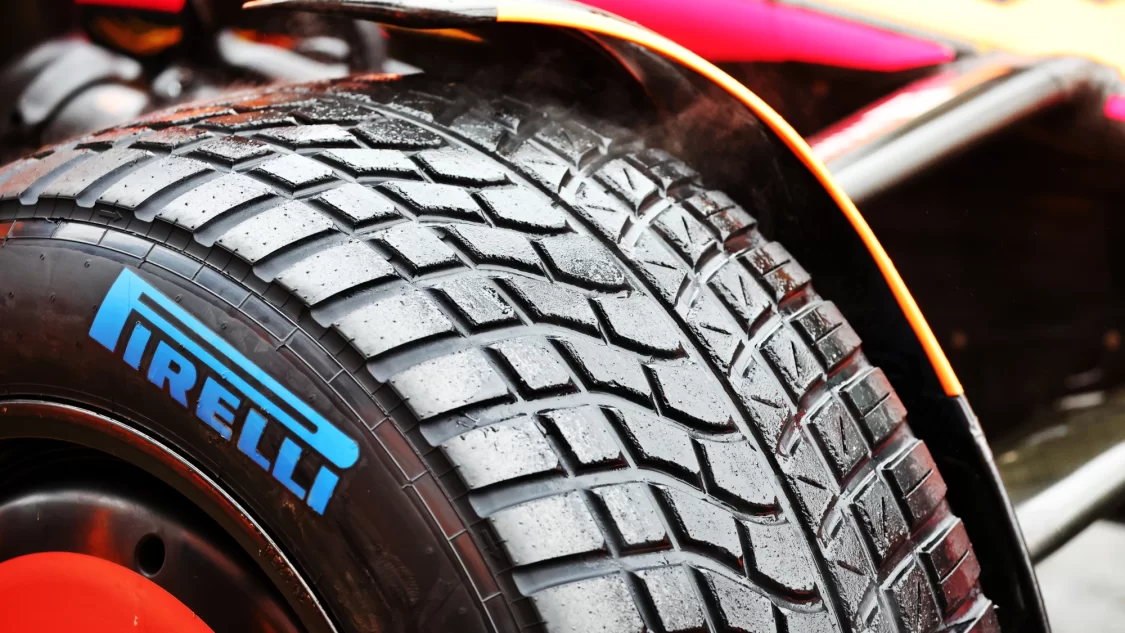
Interesting fact: "Rain tires" for "Formula-1" races can divert 85 liters of water per second per tire at a speed of 300 km/h.
As for the civilian segment, rain tires are also a reality, not a myth. Rain tires or tires for wet surfaces, like summer tires, are specially designed to provide maximum safety and performance in rainy and wet road conditions. They have a deeper and wider tread pattern that provides good traction with the wet road surface and effectively diverts water from the contact patch with the road. Rain tires can also have a softer rubber compound, which provides better grip on a wet road.
However, it's worth noting that this doesn't mean you need to have a set of tires for rain. If it rarely rains in your region and the rain is not intense, summer tires with good performance on wet roads can be safe enough. If you live in an area with frequent and heavy rainfall, using rain tires can improve driving safety and your car's performance. In any case, the main criterion for using summer tires should be the remaining tread depth, namely how much you need to adapt your driving style during heavy rain. Remember, tires can provide traction only when the contact patch is dry, and how much the tread pattern can dry it depends directly on the remaining tread depth.