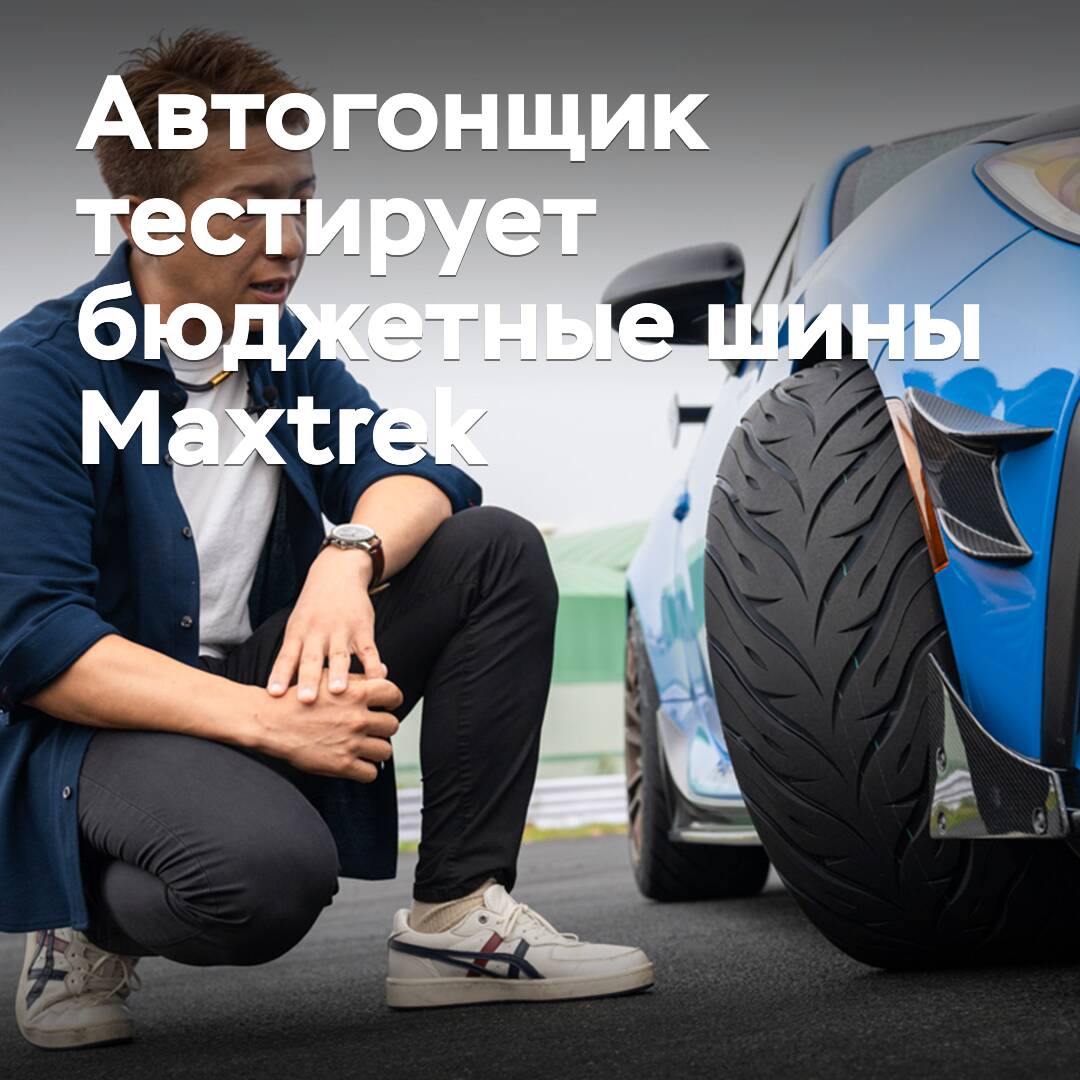
Racer tests budget Maxtrek tires
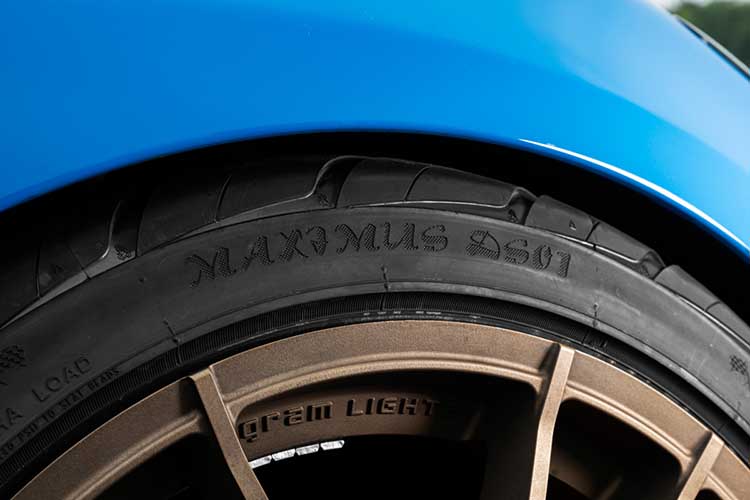
Tires Maxtrek Maximus DS01 are offered by the Chinese company Zhaoqing Junhong, which was founded in 2006, and their price in size 265/35 R18 on the Japanese market is 16,020 yen (9.5 thousand rubles). The company says that thanks to investments in new equipment, they received ISO 9001 and ISO/TS 16949 certificates, and tires of various models began to be supplied to various car manufacturers such as Dongfeng Sokon Automobile, Foday, Foton, Lifan, Zotye, etc., and the products are now sold all over the world, including in the USA, Europe, Malaysia, Brazil, Saudi Arabia, Nigeria, and Russia. In 2014, the tires caught the attention of the American retail giant Wal-Mart, after which their production grew to 7 million units per year.
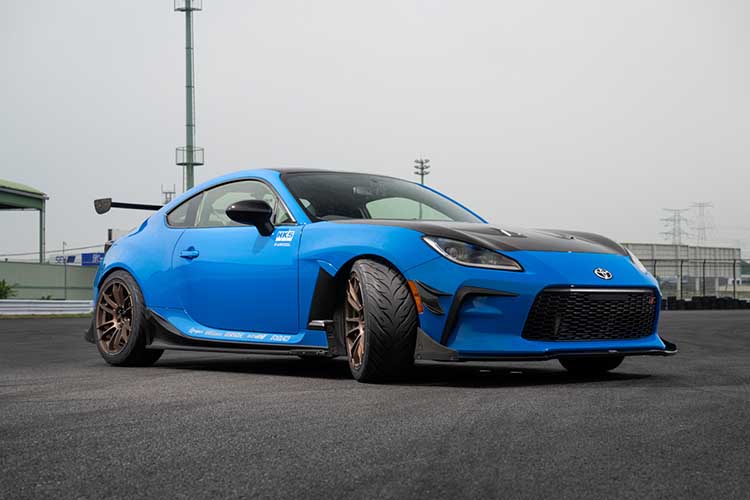
Racing driver Yoshikazu Sobu tested the capabilities of the Maximus DS01 tires, testing them on public roads, highways, and drifting on a jimmahana track. During the test drive, the tires were installed on a Toyota GR86 with an HKS tuning package of 380 horsepower.
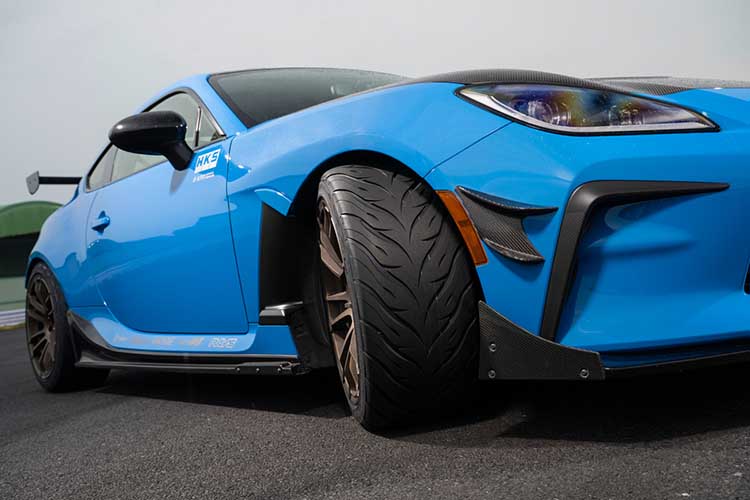
The Maximus DS01 has a V-shaped tread pattern with winding grooves, which is designed to both visually distinguish the tires and provide quick water drainage, reducing the likelihood of aquaplaning, and the increased tread width increases the contact patch area, improving stability, including when cornering at high speeds. In addition, the design is designed to provide optimal steering sensitivity, and the sidewall area is reinforced for faster and more accurate reactions to the driver's actions. At the same time, when reaching 60°C, the viscosity of the compound (wear resistance index - 160) increases, which additionally enhances grip.
The test drive began on a "slightly uneven" road near the Tsukuba circuit (Shimotsuma, Ibaraki Prefecture), and Sobu had to evaluate both the driving properties of the tires and how they affect acoustic comfort. Since the tires are designed primarily for sports driving, noise was present, as expected, but, according to the driver, "they are not so noisy that it's a reason to worry".
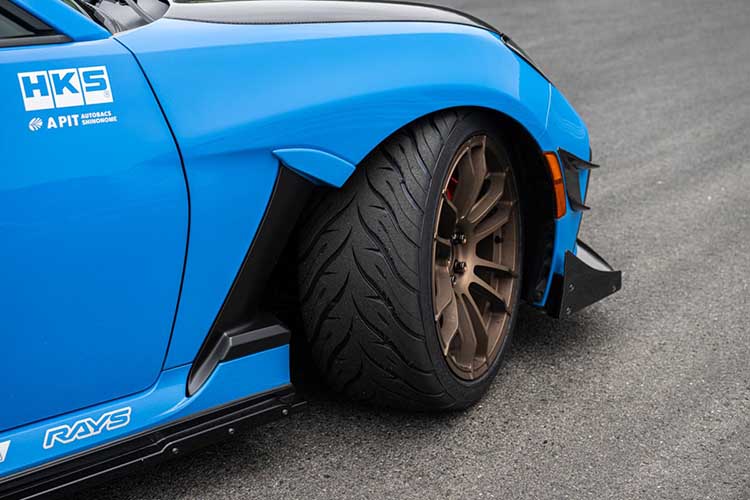
Sobu also added that in Japan, there is often a chance of heavy rain, and in this situation, a tread pattern with deep grooves will come in handy, and although the increased groove depth may negatively affect handling in dry weather, according to the pilot, nothing like this was noticed, and perhaps the reason is the increased stiffness of the sidewalls. As for the smoothness of the ride, Sobu said that "for 35-profile tires, Maxtrek is more than comfortable, and when using them in the city, there will be no problems".
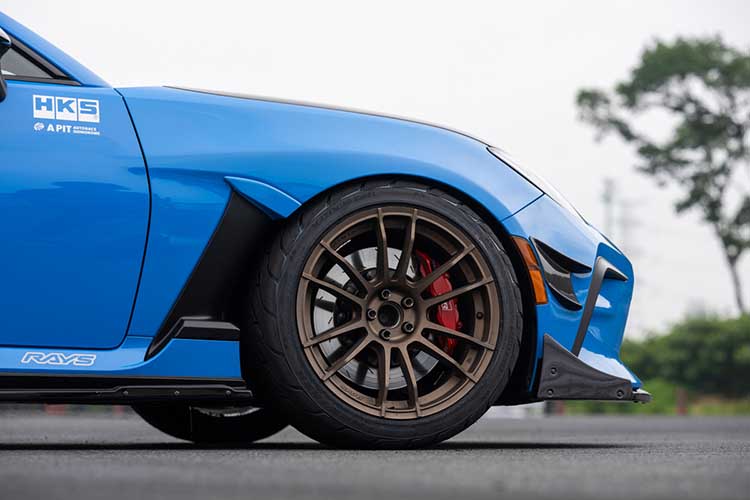
Next, the tires were evaluated on the highway, and at 80 km/h, the noise emitted by the tires was "slightly noticeable", and when the speed increased to 100 km/h, it was drowned out by the wind and exhaust noise. At the same time, the comfort of the ride remained at a high level, and according to Sobu, there were no unpleasant sensations, including when driving over road surface joints.
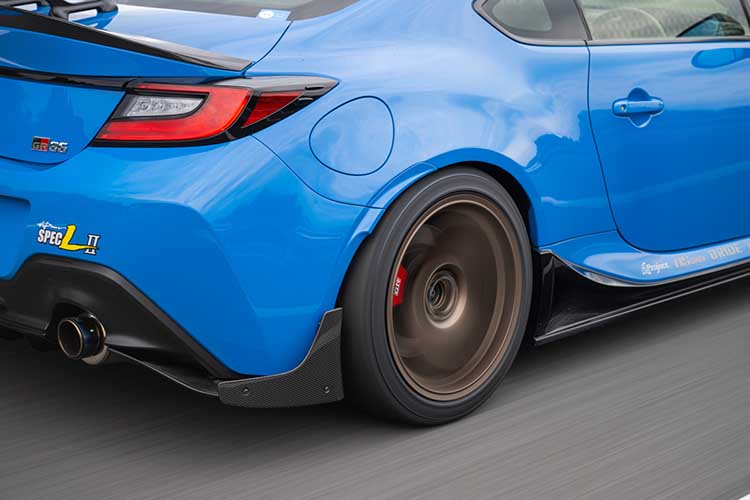
Many sports car owners travel to the track on high-speed highways, and semi-slick tires can be tiring with a hard ride when traveling long distances, but regarding the comfort of Maxtrek, the pilot said that "even in a size with a large width, the tires guarantee that the steering wheel will retain sensitivity in deep ruts, and in my opinion, they will be well suited for long trips, as well as for everyday use".
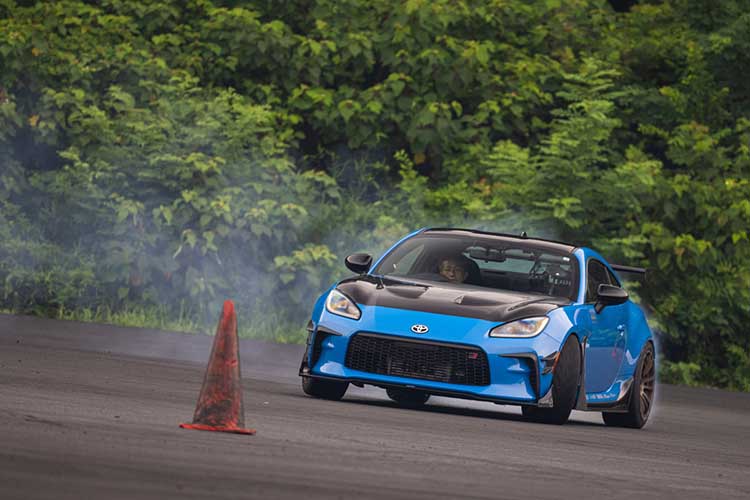
The next stage was drifting in the jimmahana section at Tsukuba, and to begin with, Sobu evaluated how the tires, which were certified for use in the Japanese D1 Grand Prix series, behave when smoothly passing a wide turn. Since the Maximus DS01 is made from a sufficiently soft rubber compound, this could have affected stability, but the driver noted that in fact, there were no difficulties, since "the compound is soft, but the sidewalls are stiff". He also added that Maxtrek provides good grip in both the longitudinal (when accelerating and braking) and transverse (when maneuvering) directions, and "there is no lack of stiffness, which ensures ease of handling".
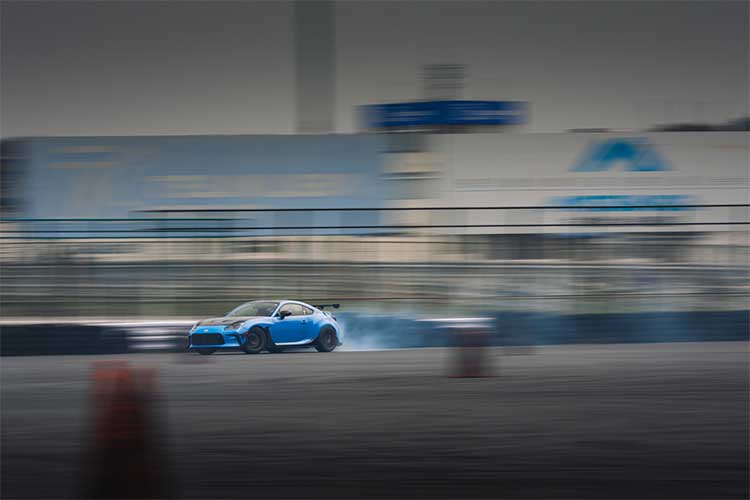
When passing the "eight", the tires also made a good impression. "The car is easy to control, and even when the tires heated up and started smoking, the blocks continued to work," Sobu noted. "Since I made several runs, the pressure in the tires on the rear axle increased, and I had the impression that the transverse grip decreased slightly. However, when we lowered the pressure, the grip increased, and overall, the tires will suit less powerful cars than the GR86".
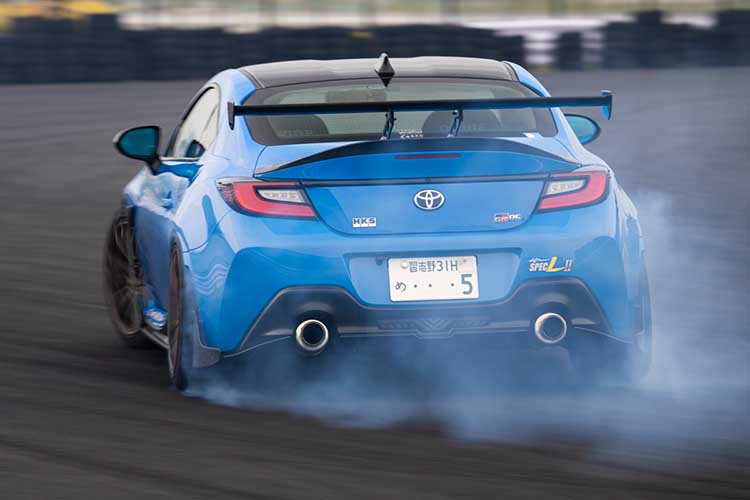
In the section simulating a racing track, Sobu drifted in 3rd gear, but "even when the speed increased, the traction properties and handling remained at the same level, and it was easy to create clouds of white smoke to impress the audience". There were concerns about possible overheating of the tires, but, as the pilot noted, "there is no sharp drop in grip even after prolonged use of the tires".
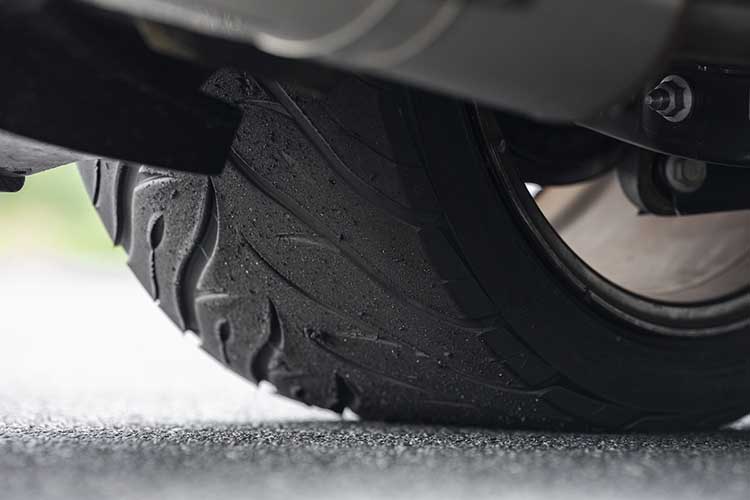
"The tires will be perfect for practicing driving skills, and I want to put them on my training car!" he summed up.
Source (including photos): Kuruma News.