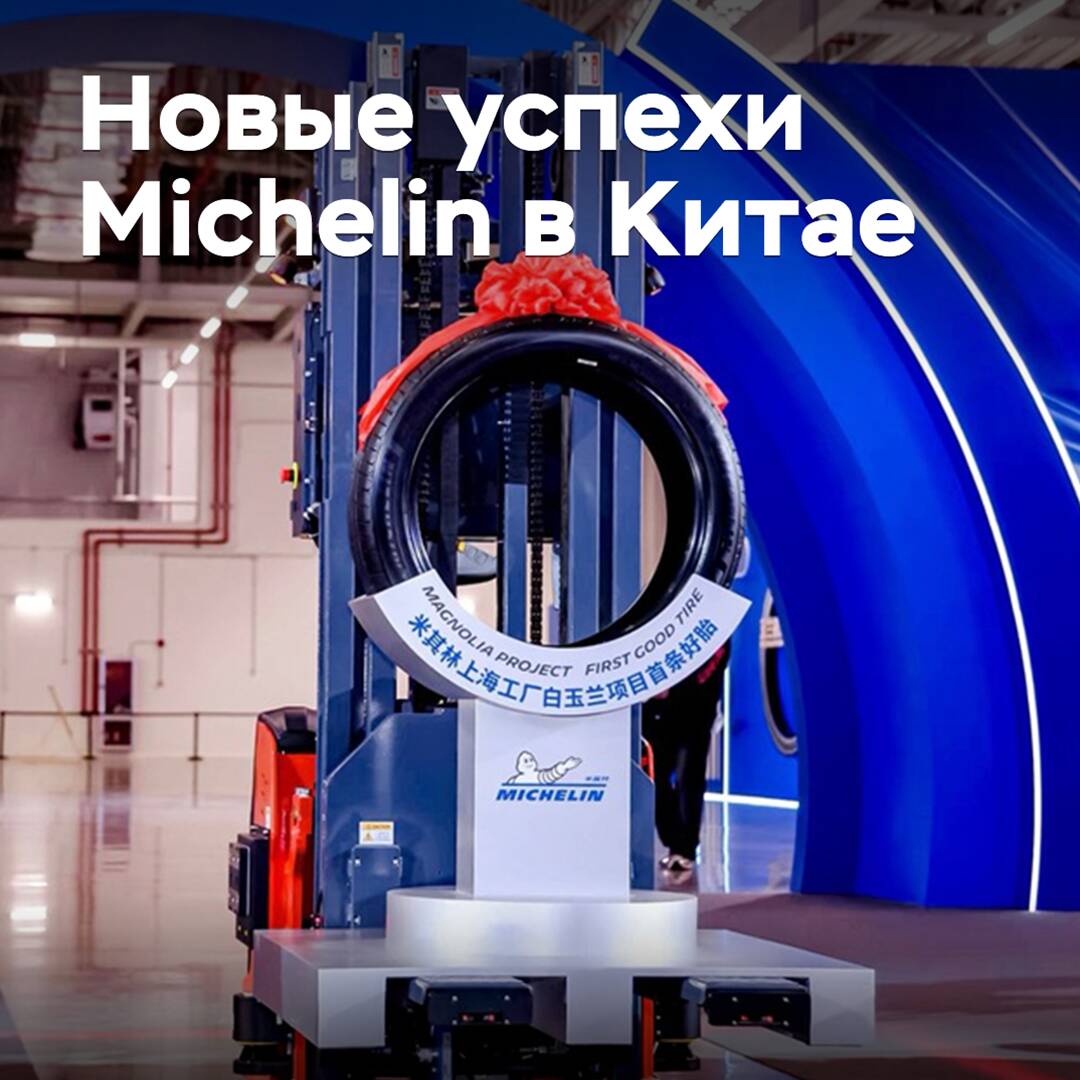
36 tires per second and a "lighthouse factory": Michelin's new successes in China
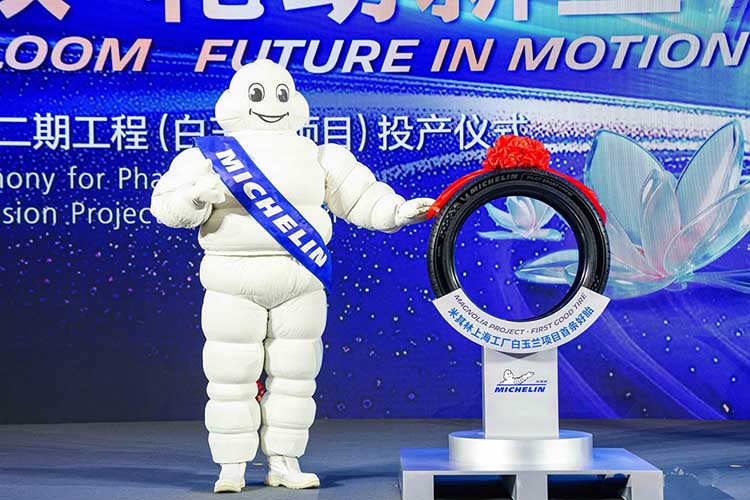
On January 23, Michelin officially completed the project to modernize and expand its Shanghai plant, with the first tire produced on the new production line being the Michelin Pilot Sport 5 energy, which combines sports performance with improved energy efficiency.
The plant's capacity has increased from 8.5 to 9.5 million tires, and the new production lines will produce passenger car tires with diameters from 18 to 24 inches, with 70% of the output being tires for new energy vehicles (NEV). According to the company, a highly flexible model is used, allowing for small-batch production of up to 100 tires, and the order fulfillment time has been reduced from 10 to 5 days. Additionally, new equipment has been installed, and each assembly station can produce 36 tires per second (although this is not unique, as similar equipment was installed in Nizhnekamsk in 2012).
The investment in the project, dubbed "Magnolia", amounts to 3 billion yuan (430 million dollars), and it is the first example of Michelin's new strategy in China, aimed at creating "factories of the future". The company explains the choice of product range as a response to the "electrification, intellectualization, and premiumization of the Chinese mobility sector".
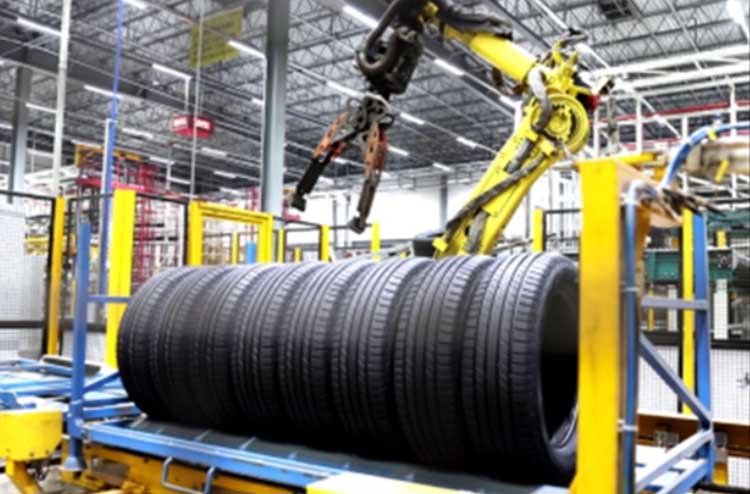
Thanks to the new investments, the number of product lines has increased from 260 to 360, with a focus on the "deep integration of 'green' technologies into the plant's infrastructure", and the production has been fully electrified. According to Michelin, energy efficiency during the vulcanization stage has increased by 400% compared to traditional steam equipment, and the new production consumes 100% of energy from renewable sources, reducing carbon dioxide emissions. A high level of digitalization has also been achieved, with artificial intelligence being used in product design, production management, and quality control.
"The implementation of the 'Magnolia' project is a key step towards transforming the Michelin Shanghai site into a 'factory of the future'," said Zhu Haiyan, director of the plant. "With high-tech production, flexible delivery, and eco-friendly solutions, we will be able to better serve the Chinese market, quickly delivering high-quality products to customers."
Another achievement of Michelin's Chinese division is that the Shenyang site recently received the status of "lighthouse factory" at the World Economic Forum (WEF). This is the first time a tire manufacturing plant in China has received this title, and the Michelin plant was recognized for its systematic use of digital technologies, such as artificial intelligence and machine vision, at all stages of production. In recent years, against the backdrop of rapid growth in the Chinese electric car market, the plant has also accelerated the development of special tires for this type of transport, and the current product range exceeds 250 positions.
"Today, competitiveness is determined not only by efficiency but also by a company's ability to quickly respond to changes and adapt to them," said Kiva Allgood, head of the WEF's Center for Advanced Manufacturing and Supply Chains.
The Michelin plant in Shenyang, which was opened in 1995 and celebrated its 30th anniversary last year, is the company's largest passenger car tire production facility in the world. Digital technologies have allowed for a significant increase in production flexibility, reducing the minimum order quantity by 71%, shortening the delivery cycle for trial products by 51%, and reducing the number of defects by 36%.
"The Shenyang plant plays an important role in the company's development in the Chinese market and is a shining example of the combination of Michelin's philosophy and local production," said Ye Fei, president and CEO of Michelin in Greater China and Mongolia. "The transition to intelligent manufacturing and the rapid development of the plant not only confirms Michelin's leadership in the tire industry but also contributes to the modernization of Chinese industry. The recognition of our plant as a 'lighthouse factory' is the best confirmation of the success of our more than 30-year work in China and our unwavering commitment to innovation."
Photo: iautodaily.com