The Yokohama Bluearth AE51E summer tire is part of the primary equipment for Toyota and Mazda passenger cars. It differs from the original version exclusively in the size range, while maintaining identical operational properties and improved manufacturing quality. In motion, it is characterized by an exceptionally smooth and quiet ride, even on uneven asphalt surfaces, with good traction properties and braking efficiency on wet roads.
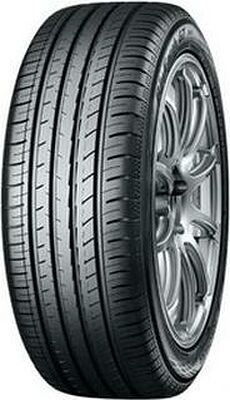
One of the distinctive features of the tire is the design of the asymmetric tread pattern, the elements of which are distributed across several functional zones. At the same time, their shape and arrangement are selected in such a way that they complement and enhance each other's impact on traction properties and handling. In particular, one such zone is the edges of the tread with massive, unfolded blocks across. Rigid elements during maneuvering increase stability, providing quickness and accuracy in the tire's response to the driver's actions. When driving straight, these elements additionally enhance directional stability at high speeds.
As mentioned earlier, even on uneven roads, the tire demonstrates excellent ride smoothness and low noise and vibration levels. This is largely due to the use of a two-layer tread. Its outer layer has increased elasticity, which dampens a significant part of the impact. The presence of a compound containing silicon dioxide and special polymers in its composition provides the tire with grip on wet surfaces and resistance to abrasive wear. The additional layer located under the tread has increased rigidity and thermal conductivity. With its help, the rolling resistance is further reduced, as well as fuel consumption and wear.
Key Features of Yokohama Bluearth AE51E
- Asymmetric tread pattern with multiple functional areas provides balance in driving properties;
- Increased smoothness of the ride and low noise and vibration levels on uneven roads due to the special design of the carcass, sidewalls, and elasticity of the outer layer of the tread;
- Reduced fuel consumption and wear due to the increased rigidity of the inner part of the two-layer tread, made from a special rubber compound.
 Enlarge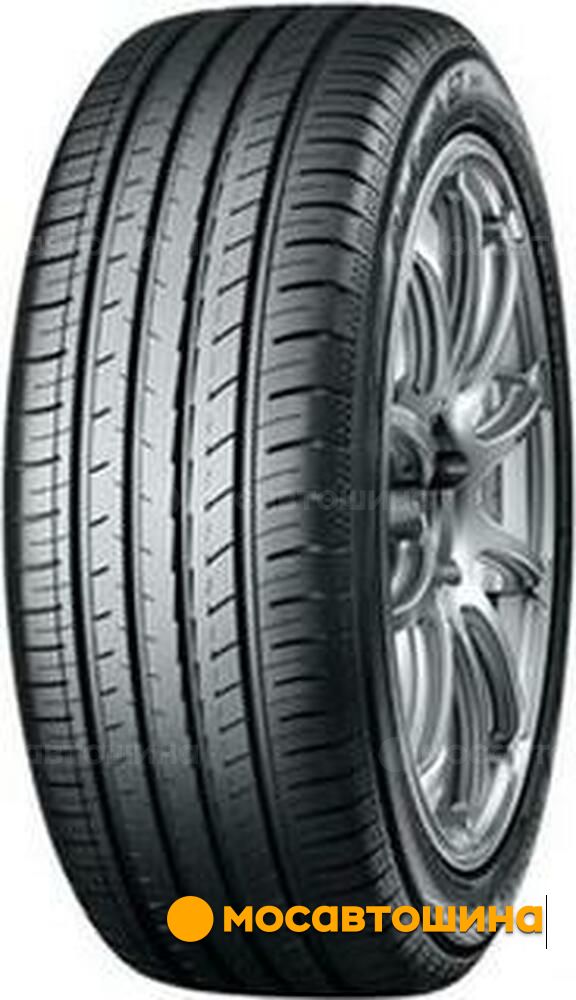
 РОССИЯ