
-
 Enlarge
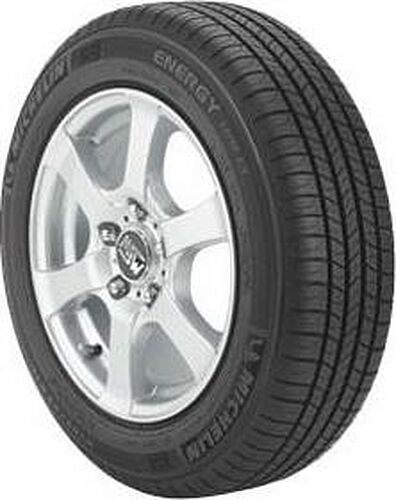
 Michelin Energy Saver A/S

Description Michelin Energy Saver A/S
All-season tire for passenger cars Michelin Energy Saver A/S is designed specifically for the North American market, featuring a fairly specific set of operational properties. This model demonstrates increased efficiency on wet roads with separate sections covered with melted snow, along with an increased service life, fuel efficiency.
The tire is distinguished by an extremely small weight. This is due to the use of an optimized frame structure, which combines low mass with very high carrying capacity, strength, and stiffness. As a result, rolling resistance is reduced, the process of abrasive wear of the tread is slowed down, and traction and handling on dry pavement are improved. Such features of the frame are complemented by the profile of the tire's tread, which in its shape repeats commercial tires, which, except for narrow strips of shoulder zones, is made practically flat. This significantly evens out the distribution of pressure on the road surface, increasing the contact patch area, enhancing traction, and ensuring ease of handling, especially when maneuvering, preventing the occurrence and development of uneven wear of the tread. As for its pattern, it is distinguished by a fairly high density of element arrangement. First of all, these are blocks with inclined transverse edges of increased length. This allows the tire to demonstrate on wet pavement the ability to intensively accelerate and brake. It is noticeably strengthened by the presence of a large number of lamellas and a rubber compound with increased elasticity, giving the elements of the tread pattern the opportunity to fit more closely to the road surface.
Main features of Michelin Energy Saver A/S:
- MaxTouch Construction technology increases the contact patch, evenly distributing pressure on the road surface, improves traction and handling, and provides a longer service life;
- optimized frame structure, reducing the weight of the tire, provides reduced rolling resistance and comfort in handling;
- rubber compound, reducing heat generation of the tire during prolonged movement, saves fuel, increases its mileage;
- increased elasticity of the compound, a large number of block edges and lamellas provide high braking intensity and excellent traction on wet pavement.