The Austone CSR168 passenger tire is one of the novelties of the well-known tire manufacturer from the Middle Kingdom. This model is distinguished by its exceptional traction properties in rainy conditions, which is ensured by a symmetrical directional tread pattern with a very aggressive V-shaped design, featuring a number of design features that will be discussed below.
Two wide longitudinal ribs in the center
The symmetrical directional tread pattern of the Austone CSR168 model is divided into several functional zones. Its largest part is occupied by two longitudinal ribs located in its very center. Their very massive dimensions have made it possible to give these tread elements very high resistance to dynamic deformation, while significantly increasing the size of the contact patch. Thanks to this, the tire demonstrates excellent traction and directional stability when driving at any speed, as well as very low rolling resistance.
High braking efficiency
In turn, the shoulder zones of the tread pattern are distinguished by very small dimensions and an open design, a characteristic feature of which is the presence of a significant number of quadrangular blocks. Together with the numerous lamellas located on their surface, they form a large number of transverse traction edges during movement. It is these tread elements that allow the tire to literally grip the asphalt, providing very stable and reliable deceleration from any speed, regardless of road and weather conditions.
Excellent resistance to aquaplaning
The drainage system of the tread pattern of this model is exceptionally efficient. It is ensured by the presence of two very wide and deep longitudinal drainage grooves, which serve as a kind of accumulator for the water removed from the contact patch. After that, the water is directed outward through the shoulder zones of the tread.
Main features of the Austone CSR168 tire
- The aggressive V-shaped design of the symmetrical directional tread pattern provides excellent traction regardless of road and weather conditions;
- Excellent directional stability and low rolling resistance due to the rigid design of the two central longitudinal ribs and the arrangement of the traction edges;
- High braking efficiency is provided by the open design of the shoulder zones, which contain a large number of transverse traction edges.
 Enlarge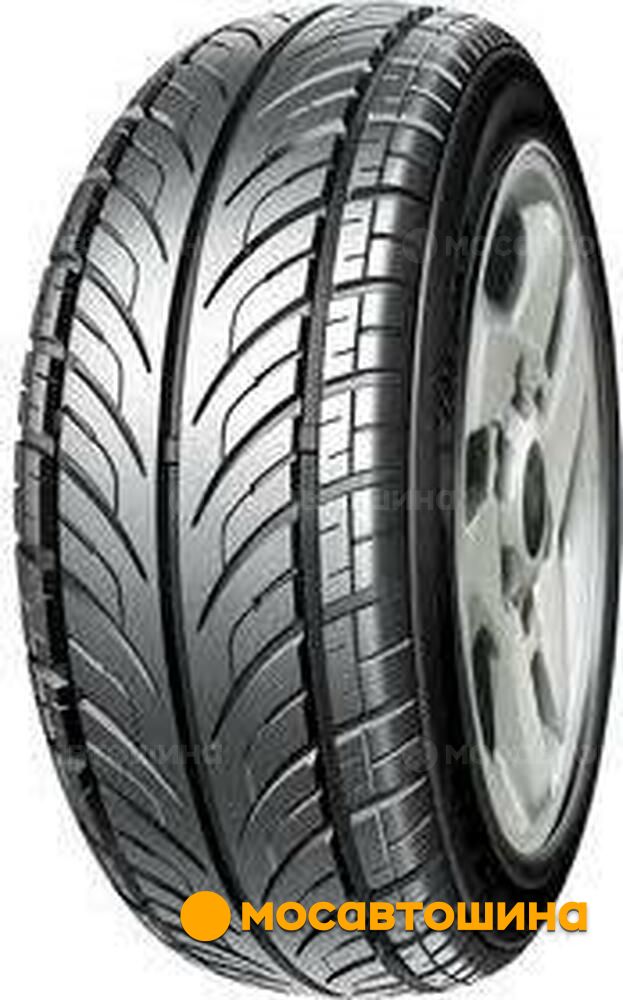
 КИТАЙ
КИТАЙ