-
 Enlarge
 CrossLeader CLS01
Description CrossLeader CLS01
CrossLeader CLS01 is a specialized commercial model for the steering axle of trucks and highway tractors. It belongs to the Long Haul category of tyres, being designed for use in transportation over long distances. In such conditions, it stands out for its stability, wear resistance, and fuel efficiency.
Precise steering axle performance
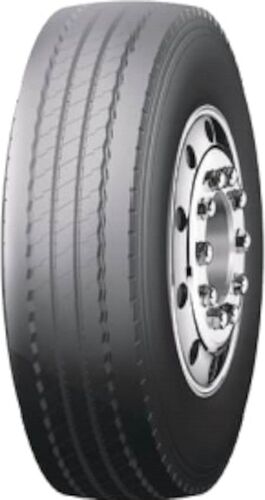
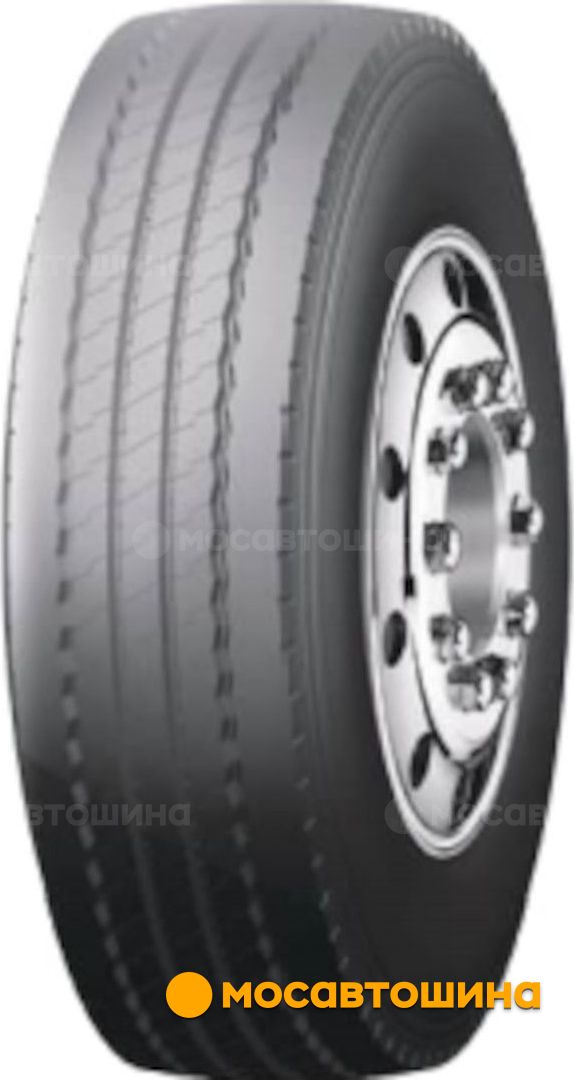
The functionality of the model is largely based on the design of the tread pattern — a combination of five continuous longitudinal ribs. This arrangement reduces the deformation of the contact patch, allowing the vehicle to confidently maintain its trajectory at high speeds. The longitudinal central elements make the reactions to steering wheel turns more precise, and the even distribution of pressure across the entire tread width, thanks to the massive shoulder ribs, reduces the likelihood of uneven wear.
Carrying capacity-optimized construction
The design features a all-steel radial carcass, designed to withstand constant loads and long mileage. It withstands intense use without significant changes in the tyre's geometry, maintaining the stability of the contact patch even when the vehicle is fully loaded. The robust base also makes the model suitable for subsequent tread refurbishment, allowing for reduced operating expenses.
Efficiency on wet surfaces
The longitudinal ribs are separated by wide grooves, whose capacity is sufficient to prevent the tyre from hydroplaning on wet surfaces, even with significant wear. An additional benefit is the reduction of noise and vibration levels, which is especially important for long-distance transportation.
Key features of CrossLeader CLS01:
- the classic 5-rib tread pattern supports high directional stability and helps maintain even wear on the steering axle;
- the robust all-steel carcass is designed for long mileage and allows for subsequent tread refurbishment;
- the wide grooves provide reliable grip on wet asphalt without significantly compromising handling;
- the optimized tread profile, combined with the tread pattern design, results in moderate rolling resistance, reducing operating costs for long-haul transportation.