Tyres and wheels for Porsche 911, wheel size on Порше 911
Подбор шин и дисков по автомобилю Порше 911

Другие модели Porsche
Porsche 718, Porsche 718 Boxster, Porsche 718 Cayman, Porsche 911, Porsche 918, Porsche 924, Porsche 928, Porsche 944, Porsche 944 S2, Porsche 944 Turbo, Porsche 944 Turbo S, Porsche 968, Porsche Boxster, Porsche C2, Porsche Carrera, Porsche Cayenne, Porsche Cayman, Porsche Macan, Porsche Panamera, Porsche Taycan,Параметры дисков на Порше 911
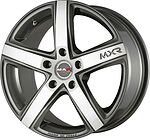
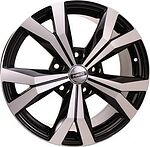
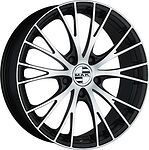
- PCD 5x130 диаметром от 15 до 21, шириной от 6 до 12.5 и профилем от ET10.6 до ET79как у Mercedes G-Class


Tires on Porsche 911
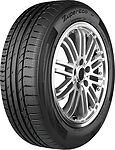
- Tyre size from R15 to R21, width from 185 to 335 and profile from 25 to 70V.
- Minimum tyre size: 205/50 R17, maximum: 325/30 R19



Tires on Porsche 911 (Порше)
The Porsche 911 is a two-door sports car with a rear-engine layout. This index is used in the first generation model lineup, which was produced from 1964 to 1989.History of Creation
The car was developed as a more dynamic and comfortable replacement for the 356 model. The coupe, which debuted in 1963 in France, was initially called the 901, but after a protest from Peugeot, which had exclusive rights to car names with a zero in the middle in its home country, Porsche had to add a "1" to the index of its model in all regions where it was sold.Initial Version
This model was distinguished by its rear-engine layout and rear-wheel drive, as well as a 2+2 seating scheme. The initial versions used an air-cooled, 2-liter, six-cylinder engine with 130 horsepower, which worked in conjunction with a 5-speed manual transmission. In 1967, the German company introduced a more powerful version of the coupe with the letter S in the index. It was equipped with the same 2-liter engine, but in an improved version, which allowed the power to be increased to 160 horsepower. In the same year, the lineup was supplemented with the Targa modification, which featured a removable roof and rear window, and a stainless steel safety frame.Series E and F
In the early 1970s, the car underwent significant modernization. At the same time, the lineup was divided into three versions - T, S, and E. All of them were equipped with a new engine with an increased volume of 2.4 liters, the power of which, depending on the degree of forcing, ranged from 130 to 190 horsepower. In the most dynamic modifications, the engine had a mechanical fuel injection. Much more engineering effort was focused on improving the handling of the coupe. Due to the rear engine layout, the center of mass also shifted to the rear, as a result of which the car was prone to excessive agility, which limited the circle of buyers, excluding inexperienced drivers from it. In an attempt to fix this, the oil tank was installed in front of the rear wheel, not behind it, as before. At the same time, the filling neck was located on the right rear wing. A year later, it was necessary to abandon this decision, since inattentive drivers and gas station workers often poured oil into the fuel tank and vice versa. Another innovation affected the 911S version, which received a barely noticeable spoiler under the front bumper, which made it possible to additionally load the front axle at high speed, eliminating one of the drawbacks of this modification, which weighed only 1050 kg.Carrera RS
The most highly valued today is the Carrera RS version, which appeared in 1973. The name was borrowed from one of the modifications of the previous 356 model, which the German brand decided to perpetuate one of its victories in the Carrera Panamericana races, which took place in Mexico in the 1950s. The car was created on the basis of the S version, differing from it with an engine - a 2.7-liter, six-cylinder boxer engine with mechanical fuel injection, producing 210 horsepower. In addition, the suspension was revised, and a characteristic spoiler for this modification appeared at the back, nicknamed the "duck tail". The brake discs were enlarged, and the rear fenders received extenders, which made it possible to accommodate wider wheels. In 1974, an even more powerful Carrera RS with a 3-liter engine, producing 230 horsepower, was added to the lineup. Most of the components were borrowed from the racing RSR, and the brakes from the 917. The use of thinner body panels and a spartan interior allowed to further reduce the weight, bringing this indicator down to 930 kg.Second Generation
In 1983, the German manufacturer introduced updated versions of the sports car, including the Carrera, the production of which was discontinued in 1977. Preserving the previous name, in terms of the scale of changes, this was the second generation of the coupe. The car has changed significantly externally, becoming more effective from the point of view of aerodynamics. Another difference from the predecessor was the new engine - an "atmospheric" 6-cylinder engine with a volume of 3.2 liters, which received a crankshaft from a turbocharged 3-liter engine used earlier. In turn, the transmission "shared" the racing 915. Four years later, the car received a 5-speed manual transmission from Getrag and a clutch with hydraulic drive. The power of the "base" versions of the coupe ranged from 207 to 231 horsepower, depending on the region, which allowed them to accelerate to the first "hundred" in just over 5 seconds. The brake mechanisms were revised accordingly, significantly increasing in size. With minor changes, the car existed in this form until 1989, after which it was replaced by the 964 model. Currently, it is not often found on our roads, which cannot be said about the coupes with the same name, released much later. For these cars, it is extremely important to correctly choose tires and wheels. It is best to do this with the help of the "Mosavtoshina" online store.Advantages of selecting tires on our website for Porsche 911:
- the catalog has many positions intended for European sports cars;- the possibility of purchasing wheels specially designed for this model and other sports cars;
- the automated search system allows you to select tires and wheels for any modification of this coupe without error;
- employees will help with the selection, providing the most complete information on any position in the catalog.