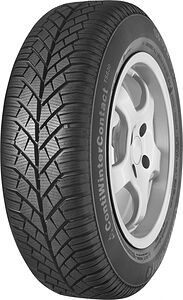
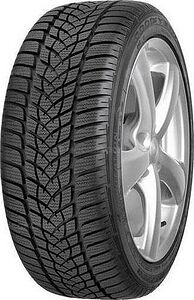
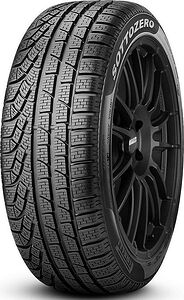
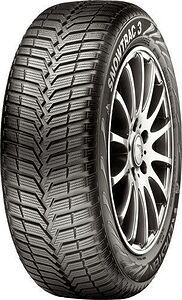
Traction and handling on asphalt High resistance to splashplaning Acoustic comfort
Increased rolling resistance
The tires were already designed to work in conjunction with the electronic systems of the modern car, which do not allow the wheels to lock or skid. Indeed, on the verge of slipping, the Continental ContiWinterContact TS 830 tires work perfectly on all types of surfaces: when braking with ABS - the best results both on ice (in its class) and on asphalt! The behavior on snow was also pleasing. The car is obedient and predictable in its reactions. And besides, these are the quietest tires in our test.
Traction on wet asphalt Handling on dry and wet asphalt.
Wet handling
Freezing temperatures don't keep these winter tires from performing nearly as well as summer tires on both wet and dry asphalt. On slippery surfaces, they demonstrate an acceptable level of traction in the longitudinal direction, but when cornering, the front wheels can sharply skid. They also do not counter slush as successfully as Continental tires. As a result, they take second place. Good high-speed tires for a mild winter.
Low rolling resistance Asphalt traction properties
Traction properties in the longitudinal direction on ice
These tires are designed for supercars - Lamborghini, Ferrari, Porsche... But in the civilian size 205/55 R16, they demonstrate average qualities. And if you dodge an obstacle on both snow and ice on them, it's easier than on other high-speed winter tires, but braking or accelerating is already more difficult. On asphalt, Pirelli tires traditionally give the car a sporty, fast reaction, which also has a side effect - a tendency to sharp skidding. A beautiful tread, a beautiful name... But you can pick up better tires.
Longitudinal traction properties on ice Handling on slippery surfaces
The Fredenstein Snowtrac 3 tires performed reasonably well on asphalt: they work well in both longitudinal and transverse directions, and in emergency situations, the car's reactions are quick and clear, as if it were shod not in winter, but in summer tires. But on ice, the car brakes poorly and accelerates sluggishly. On snow, the situation is only slightly better. Formally, the tires are winter ones, but based on the results of our test, this is a good all-season tire.
Traction properties on ice Handling on all types of road surfaces
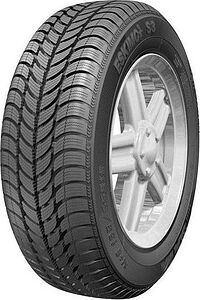
The Sava Eskimo S3 tires are very similar to Scandinavian ones: wide grooves between the directional tread blocks, a conglomerate of lamellas... Both on ice and snow, the tires work fairly well. But they don't quite reach the level of Scandinavian tires: when cornering, the car easily skids into deep skids. Unfortunately, these tires didn't shine on asphalt either: when performing a maneuver with braking, they turned out to be even worse than average studded tires! For a mild winter, the Sava Eskimo S3 tires are not the best choice. And for a harsh one, even less so.
Traction properties on ice and snow Handling on ice and snow Low rolling resistance
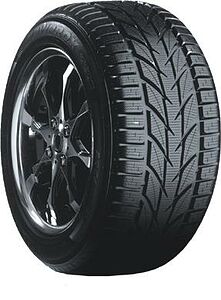
Japanese Toyo Snowprox S953 tires turned out to be unprepared for driving on snow and ice. The car accelerates sluggishly, brakes poorly, and in turns, it sharply skids. The directional tread also copes with a snow-water mush not in the best way. On wet asphalt, the picture is not much better - the Ford Focus performs a maneuver with braking even worse than on soft Scandinavian tires, both studded and unstudded! It's even strange that these tires cost almost as much as the ContiWinterContact TS 830 that won our test.