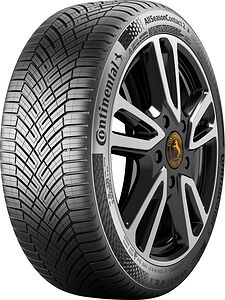
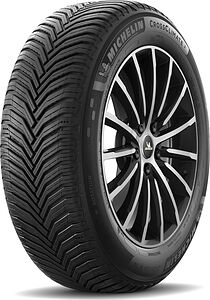
Safe behavior on wet asphalt Very high mileage Low weight Low fuel consumption
Minor claims to handling on dry road and snow
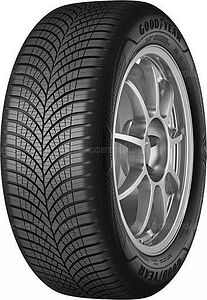
Goodyear does not have the most accurate steering response on dry pavement at summer temperatures, but overall the tires provide an acceptable level of safety, and in addition, they received particularly high ratings for braking and handling on wet roads, as well as for environmental friendliness
Good performance on dry and wet surfaces High mileage Low fuel consumption Low weight
Not the best performance on snow
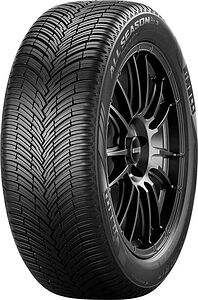
Apparently, the Pirelli were designed primarily to improve handling on asphalt, and on snow and ice they lose to all-season tires created with an emphasis on "winter" characteristics
Poor results on dry pavement Relatively poor results on wet pavement and in winter conditions High weight
Vredestein performed moderately on wet asphalt, snow, and ice, and on dry pavement the indicators are even lower, and more could be expected from tires of this brand
Good performance in winter conditions Low fuel consumption
Poor performance on dry pavement Relatively poor performance on wet pavement Reduced tread life Increased weight
Although Nexen has substantially improved the characteristics of its tires in recent years, this time their model received a low rating for overall safety level
Poor results on dry and wet asphalt Frankly poor results in winter conditions
If on asphalt, CST tires from Maxxis still more or less cope with their tasks, the grip on snow is extremely low, so these tires cannot be considered all-season
Very high mileage Low cost per kilometer Very low fuel consumption
Poor performance on dry asphalt Dangerously long braking distance on wet road
Aplus have excelled in very high mileage and excellent fuel efficiency, but it cannot compensate for the very long braking distance on wet pavement, creating a safety hazard