Capable of providing optimal traction even in the most adverse road conditions
Average ratings on dry and wet asphalt
Rating: 72/100
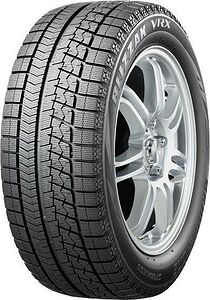
Bridgestone tires received a recommended status from the experts as they provide impressive traction on snow and ice. Of course, on dry and wet asphalt, they lagged behind alpine-type tires and have a lower speed index, but this is quite typical for tires of this category. In general, if the roads in your region are often covered with snow or ice in winter, these tires will be the preferred choice.
Top Alpine tires in snow traction, ice grip, balanced characteristics and price.
Rating: 70/100
Kumho demonstrated very good traction on ice, where they significantly outpaced other Korean tires, particularly Hankook - their direct competitor. In fact, on icy surfaces, Kumho performed almost at the level of Scandinavian-type tires, which is why they received a large number of points. Kumho also deserved separate praise for the fact that they performed very consistently in all tests, and, in addition, they have a relatively low price.
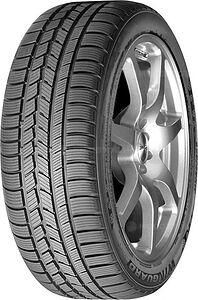
Initially, experts expected that Nexen would not be able to take first place in any of the tests, but the tires still managed to surprise and demonstrate the most effective braking on both dry and wet asphalt. On snow and ice, Nexen still couldn't catch up with Kumho, but at the same time, in winter conditions, they left Hankook behind. Moreover, Nexen has the lowest price in the test.
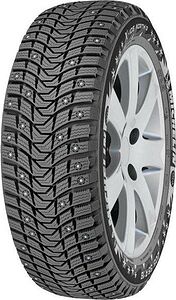
Michelin received the highest subjective ratings from experts in ice tests, but they lost too many points in tests on dry and wet asphalt. Even Bridgestone, which also belongs to the Nordic-type tires, performed better on asphalt. However, if you drive on asphalt more often in winter, Michelin offers alpine-type tires that are part of the Alpin line.
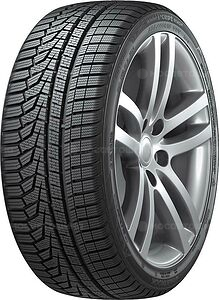
The tested Hankook came as a replacement for the Hankook Winter i*cept evo W310 and are a fairly new model, however, in this test, they ultimately took only the last place. Hankook was able to demonstrate better handling on dry asphalt, where, according to experts, they performed at the level of all-season tires, but in snow and ice tests, the tires were unable to achieve high results.