Key Criteria for Storing Tires. Part 1
It's time to change tires, which means it's time to store the tires that have served their purpose in the summer season. How correctly the tires are stored will affect how long and qualitatively they will serve you in the future. We have already talked about the complex rubber compounds and components that make up the tires. It should be understood that there are factors that can negatively affect them, thereby reducing the overall characteristics of the tires.
To determine the factors that can harm your tires, you need to determine the segment of your tires. If you are the owner of sports segment tires, then you should note that the first factor for such tires is temperature. Low temperatures and improper storage can lead to such damage to the rubber that the operation of the tires will be simply impossible. We have discussed this case in detail in a separate article.
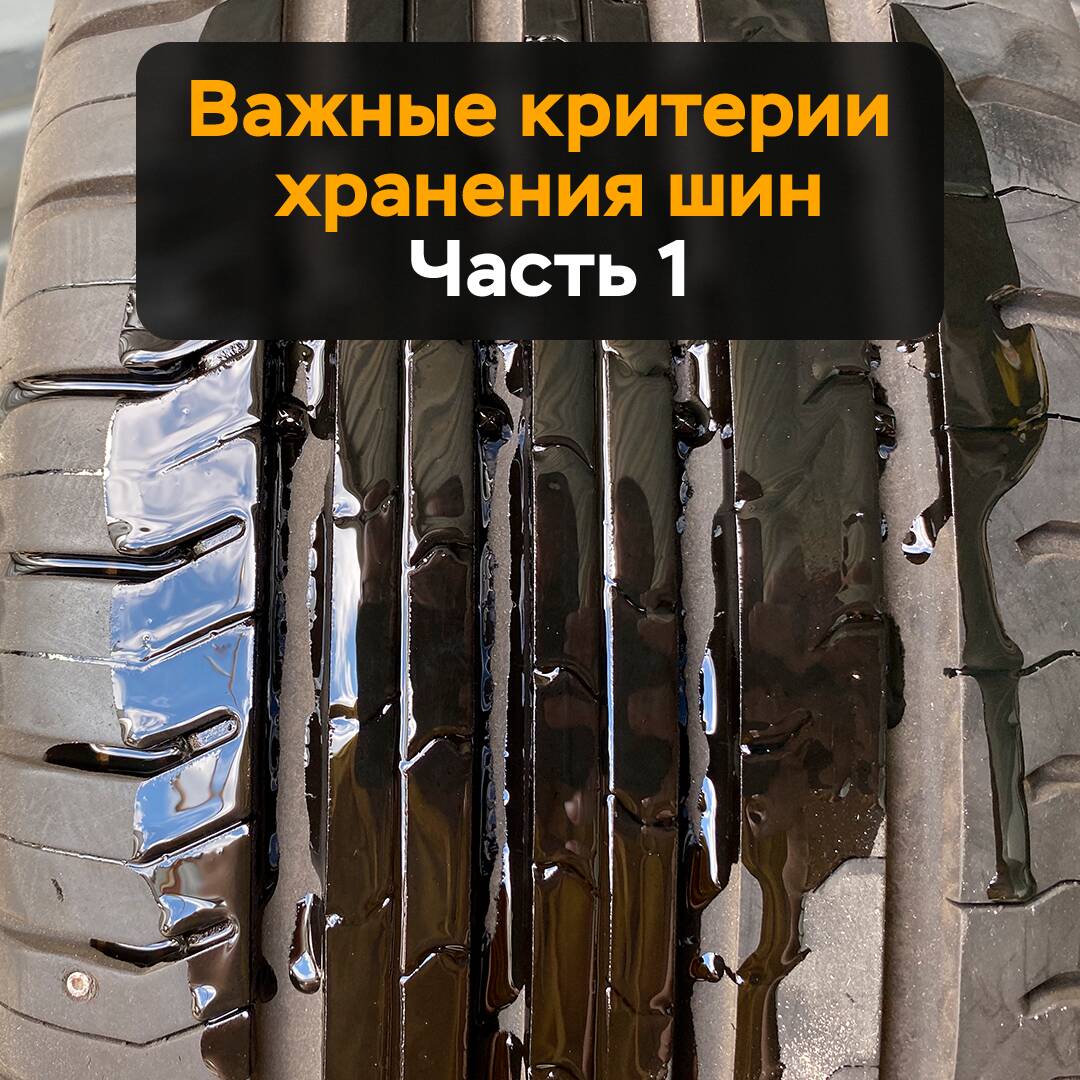
It should also be noted that along with temperature violations, it is often possible to encounter harmful chemical effects on the sensitive rubber compound. As a rule, tires are stored in places where other consumable materials for cars, batteries, oils, etc. are also stored. There is no clear list of destructive substances, it is important to understand that both the composition of fuel and lubricants and the composition of a specific rubber compound can interact in different ways. Harmful can be both prolonged contact and short contact. Again, everything depends on the interaction of individual components. It is important to note that the physical properties of the rubber compound are often not visible at first glance. The tire may not cause any complaints and be installed on a car, but as it is operated, the area of the tire that was exposed to the effects will be subject to greater wear. It is impossible to say how quickly the affected area will wear out, everything depends on what changes have occurred, but in any case, the wear will be local.
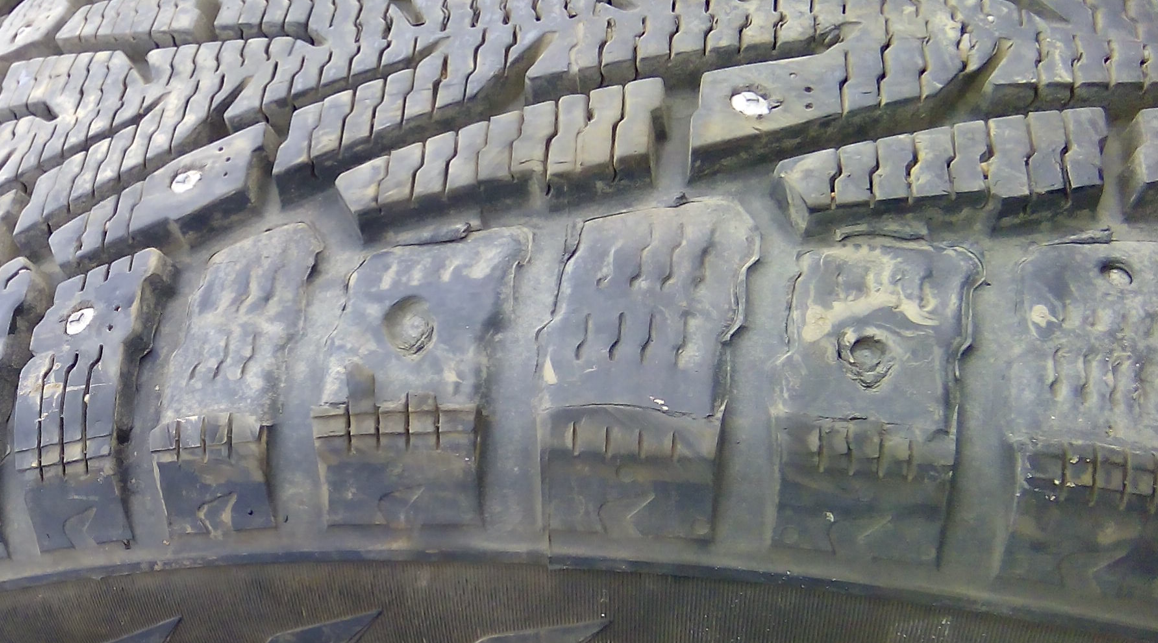
The first thing that comes to mind when seeing such wear is, of course, "production defect", but the real reasons, of course, will be different - chemical exposure, and most often during seasonal storage. Operating and repairing such a tire is, of course, impossible. The tire will simply have to be thrown away.