
The Amazing Story of the Invention of Vulcanization
The Goodyear tire brand is well-known to many car owners today. However, not many people know that it's not a direct translation, as it may seem at first glance - "Good year", but rather the surname of the famous inventor of the rubber vulcanization process, Charles Goodyear. Meanwhile, unlike, for example, Michelin, the Goodyear surname has no relation to the company. The company was founded in 1898, years after the inventor's death.
The history of Charles Goodyear is interesting primarily because he was a hereditary inventor. His father, Amasa Goodyear, made the first mother-of-pearl buttons in 1807 and was also an inventor. The photo shows buttons produced by Goodyear during that period.
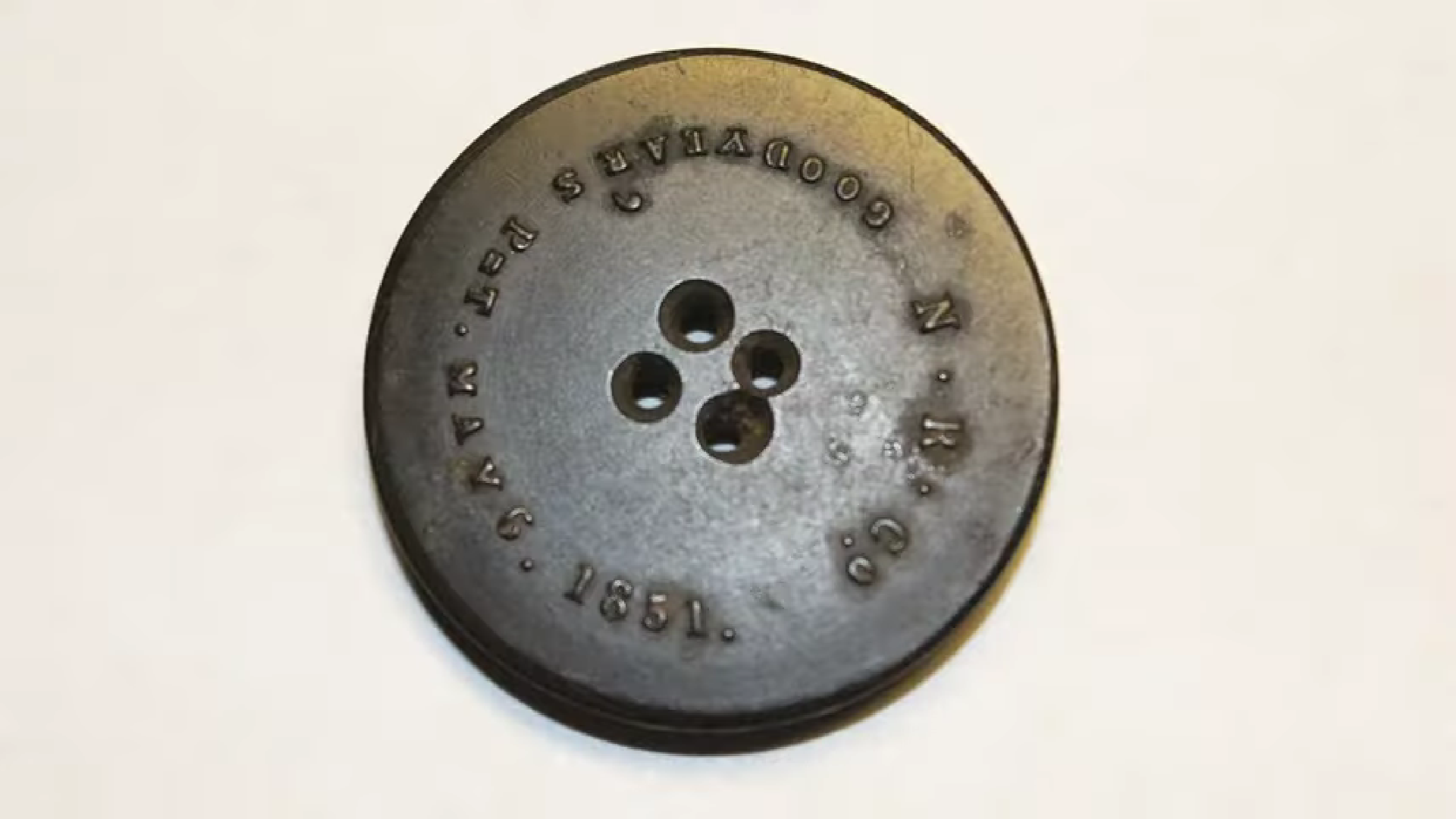
Together with one of his six sons, Charles, Amasa succeeded in producing innovative agricultural equipment. Seeing an opportunity to expand the business into the growing urban markets, Charles moved his family to Philadelphia in 1826 and opened the first domestic hardware store. Many of the tools that Charles sold were previously only available as imports from Europe. Unfortunately, Charles was unable to manage the loans he had taken, and the business eventually went bankrupt.
In the 1830s, rubber caused tremendous interest. The sticky milky sap emitted by the hevea trees in Brazil was waterproof and easily stretched. This material, known as latex in its liquid form and as rubber after hardening, could be used for various purposes. The owners of rubber enterprises and wealthy families invested their fortunes in this material. Nevertheless, rubber, as it was then called, had a significant drawback - it melted in the summer and cracked in the winter.
Biographers describe in detail Goodyear's quest to find a way to stabilize rubber. It all started with his visit to the "Roxbury India Rubber Company" in New York in 1834. In the store of this company, Goodyear noticed rubber life jackets that were being produced and sold, and he wondered about improving the valve for these jackets. When he returned to the store to present his valve, the manager said that it was still useless, as the jacket would soon become unusable. He took Charles to the warehouse, where "he pointed to rows of shelves with piles of shapeless lumps, the folds of which were tightly stuck together.
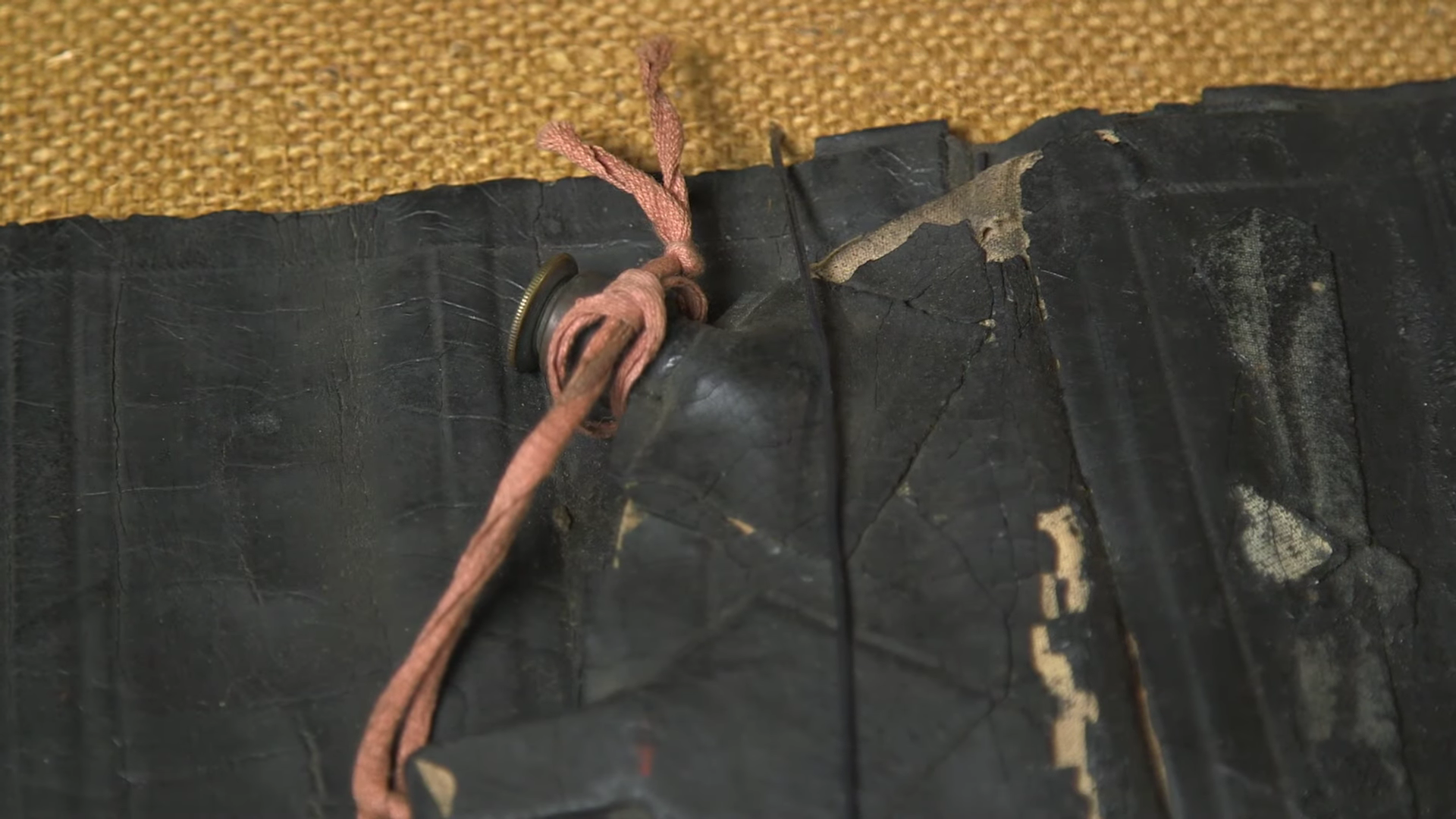
Charles became so obsessed with finding a solution to give rubber elastic properties that he risked everything he had. He mortgaged his house, sold his children's textbooks. He believed that he would soon find a solution, and the case actually occurred. At a factory in Woburn, Massachusetts, while working at the Eagle India Rubber Company, Goodyear accidentally mixed rubber and sulfur on a hot stove. To his surprise, the rubber did not melt. And when he exposed it to fire, it actually hardened.
It took Charles several more years to recreate the chemical formula and perfect the process of mixing sulfur and rubber at high temperatures. In 1844, Goodyear patented the process of changing rubber from a plastic state to an elastic one. He gave the name "vulcanization" in honor of Vulcan, the Roman god of fire.
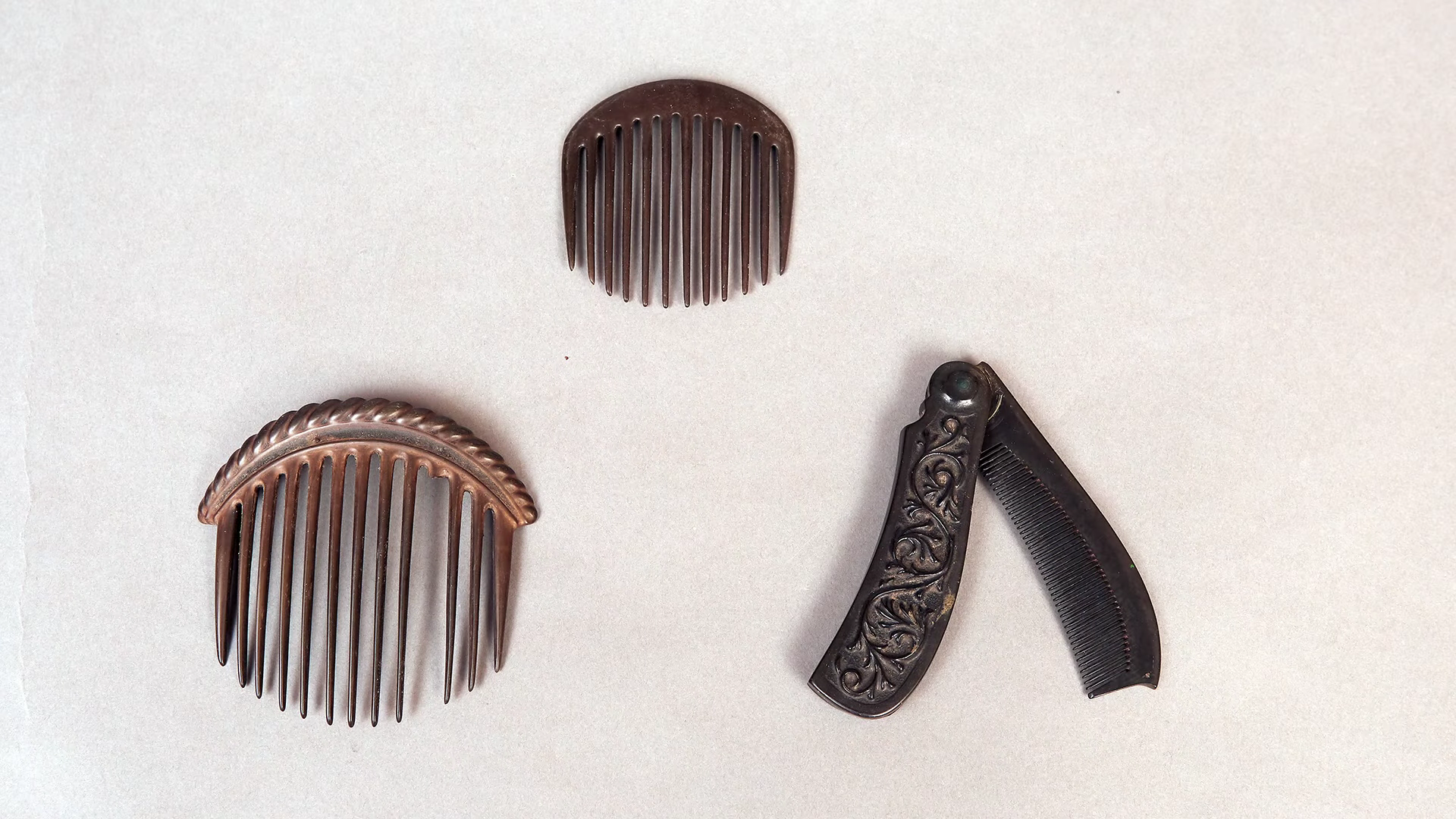
Many rubber companies in the city worked under Goodyear's license, including Uniroyal, which produced popular Keds sneakers. Even today, the main street of the city is called Rubber Avenue. Charles did not stop inventing. For example, he and his brother invented non-slip rubber coating, which they managed to obtain by adding sand to the rubber vulcanization process. There were also unsuccessful inventions, such as unprofitable combs and hairbrushes made of solid rubber. Nevertheless, the patent worked, and he regularly received funds for his experiments from each product made under his license.
In the end, competition led to the collapse of the rubber industry. Even Goodyear's success was short-lived. He spent most of the fortune he earned from his patent on patent infringement lawsuits in the United States and abroad. Charles Goodyear died at the age of 59 in 1860, leaving a valid patent to his descendants, who still received income from it for some time. The Goodyear Tire and Rubber Co., founded in 1898 in Akron, Ohio, was named in his honor, and the Goodyear blimp still bears his name.