Studded winter tyre test by Vi Bilägare — 2026
In 2026, the European market for studded tyres introduced two new models from industry leaders, including the Nokian Hakkapeliitta 01, whose manufacturer claims that in cold weather the studs extend outward, while in warmer conditions they retract into the tread. According to experts from Vi Bilägare, who have already tested the new tyres, “it’s not as radical as it sounds, but still interesting.” When the studs contact asphalt, heat is generated, softening the rubber material beneath them and allowing the studs to “sink” slightly into the tyre—not completely or deeply, but enough to reduce their protrusion and soften the impact against the road surface. At the same time, in colder conditions, less heat is generated, the rubber compound hardens, and the studs extend slightly further from the tread, enhancing grip on ice.
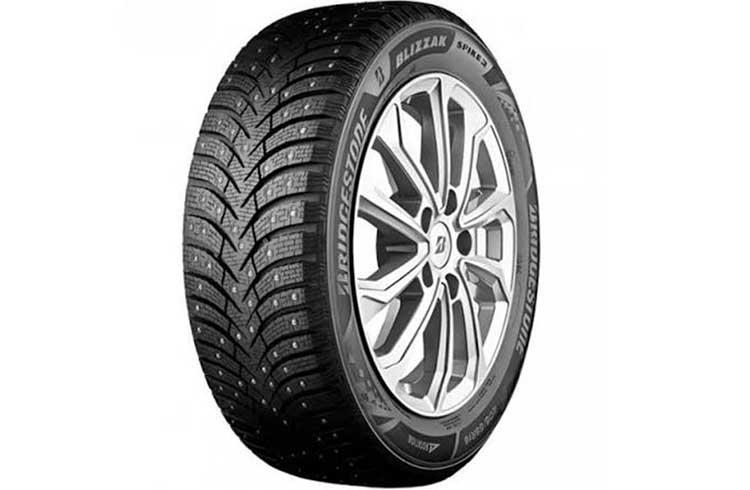
Another studded newcomer was introduced by Continental, but unfortunately, at the time testing began in February 2026, the IceContact 8 tyres were not yet available in the required size. Another tyre, Bridgestone Blizzak Spike 3, did participate but was disqualified because, according to certification standards, stud protrusion must not exceed 1.2 mm. However, immediately after receiving the new tyres from the factory, measurements showed protrusion exceeding 1.3 mm. After a 500-kilometre break-in period, the protrusion increased to 1.5 mm—nearly twice as much as that of the Goodyear tyres in the test. Experts also noted that previous concerns had already been raised about Bridgestone’s stud quality: two years earlier, during tests, studs on the Japanese brand’s tyres were “pointing in different directions and even falling out,” and those tyres were also manufactured at the Hungarian plant—indicating the issue had not been resolved. Bridgestone stated that the tyres met the company’s internal standards, but due to the excessive stud protrusion, the disqualification decision was upheld.
In the end, seven tyres in size 215/65 R17 competed for victory:
Nankang IceActiva Grip 2 SUV (SW-9)
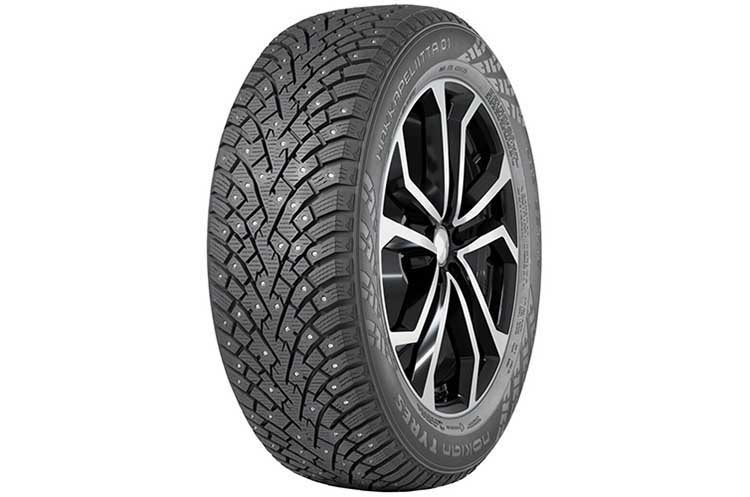
Nokian Hakkapeliitta 01
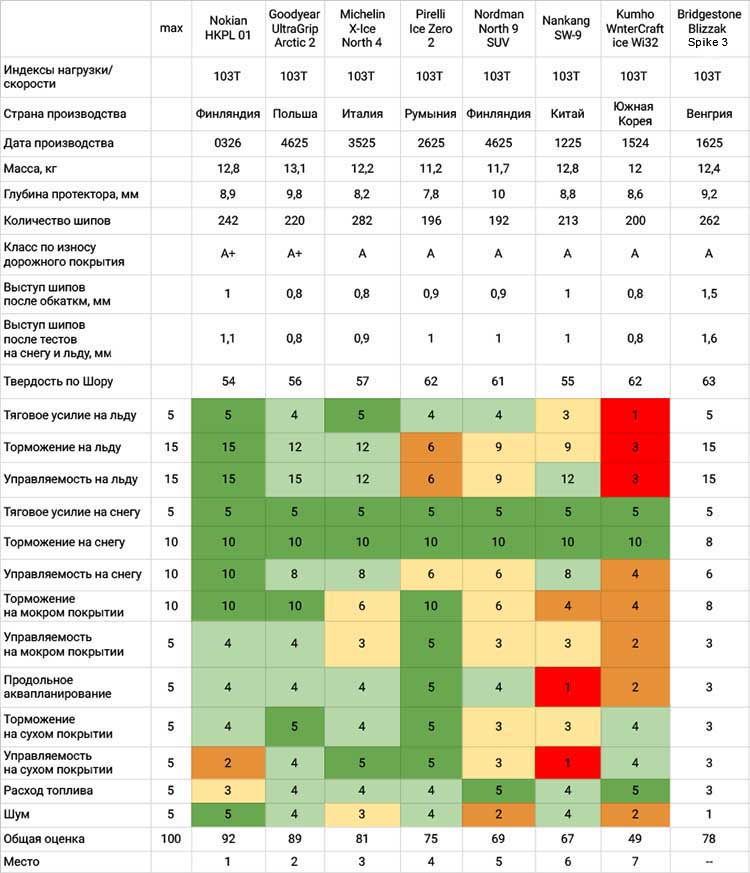
On ice, Bridgestone gained an advantage due to their increased stud protrusion, particularly in acceleration performance. High traction was also demonstrated by Nokian and Michelin, while Kumho faced the most noticeable difficulties, requiring seven seconds longer to accelerate from 5 to 25 km/h.
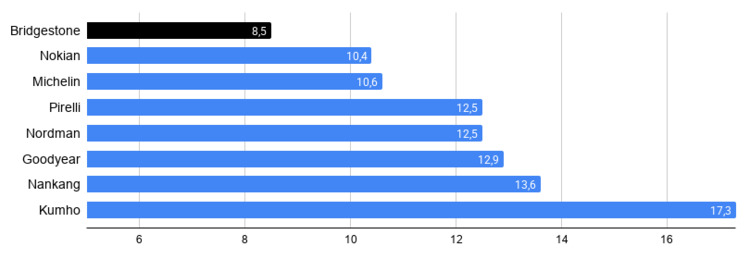
The shortest braking distance on ice was achieved by Nokian, followed by Michelin and Goodyear, while Kumho lagged significantly behind.
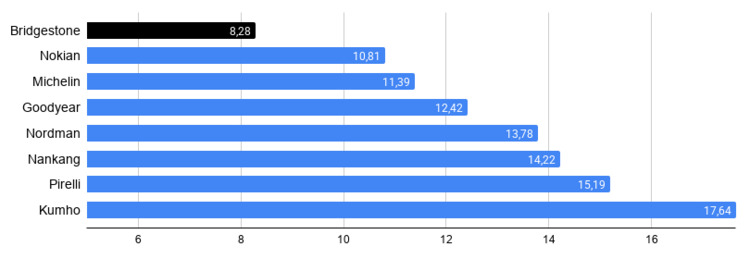
In terms of handling on icy surfaces, Nokian were rated the best, and testers noted that Nankang surprised with very stable behaviour at the limit of grip, while driving with Kumho tyres was the most difficult.
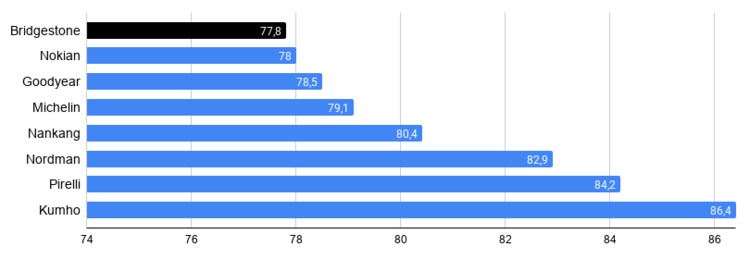
On snow-covered surfaces, stud protrusion is less critical. Instead, performance depends on how effectively tread voids fill with snow, which then enhances grip on the snowpack. All participants handled the traction test on snow without issues.
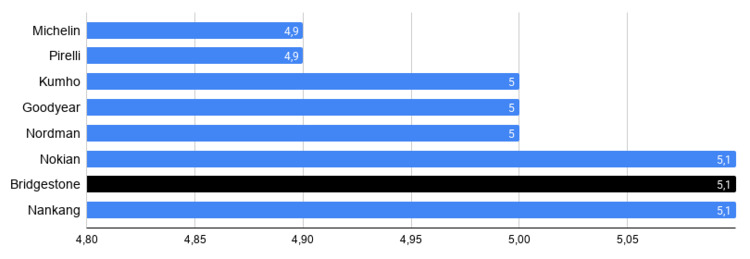
Braking performance on snow was excellent across all tyres, with less than a 3% difference between the best and worst results. The top spot was shared by Nankang and Michelin.
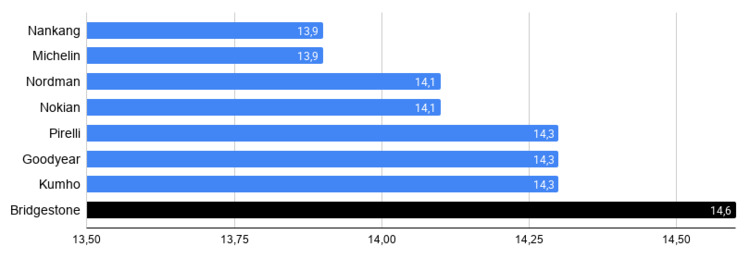
On snowy corners, Nokian performed excellently, and Nankang again proved very reliable at the grip limit—a rare trait for budget tyres. In contrast, Bridgestone easily drifted into oversteer, as did Kumho, which overall showed clearly reduced grip levels.
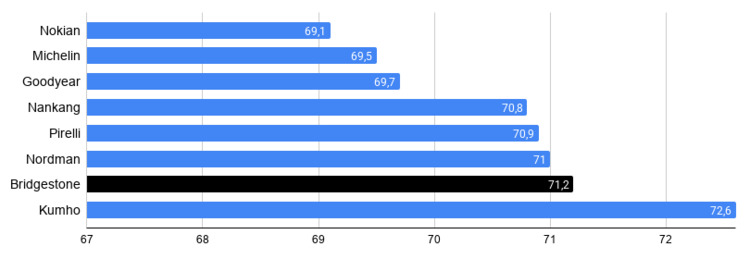
In aquaplaning resistance tests, Pirelli stood out, outperforming the nearest competitor by 7%, while Nankang scored a full 20% worse and were rated unsatisfactory.
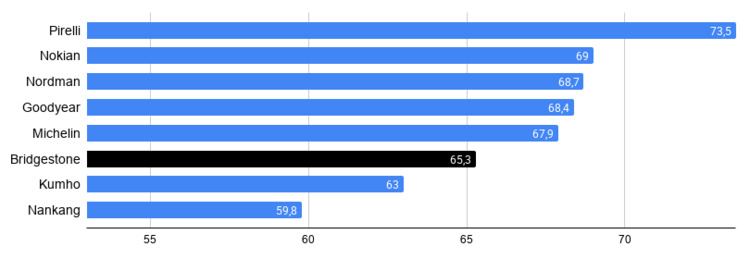
In the wet braking test, when Pirelli had already stopped, the car on Nankang tyres was still moving at 41.2 km/h from an initial speed of 100 km/h. Testers stated, “This is a huge difference.” Besides Pirelli, both Goodyear and Nokian demonstrated strong braking performance.
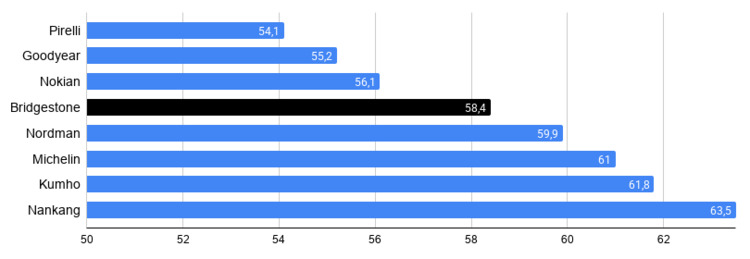
Pirelli also handled sharp manoeuvres on wet asphalt better than other participants, while Nokian showed a tendency toward understeer, Goodyear behaved very balanced, Bridgestone could break into oversteer at high speeds, and Kumho generally had weak cornering grip.
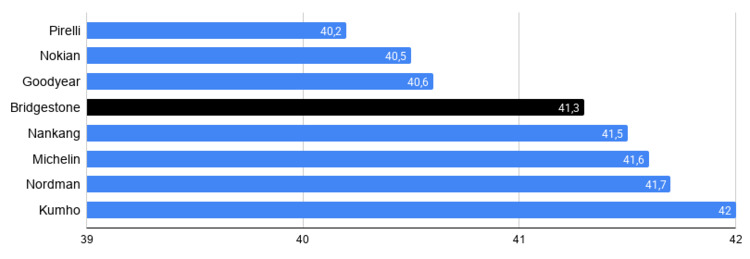
On dry pavement, Goodyear and Pirelli achieved the shortest braking distances, while Kumho performed significantly better here than on wet surfaces. Bridgestone finished last, with a result approximately one car length worse than the leaders.
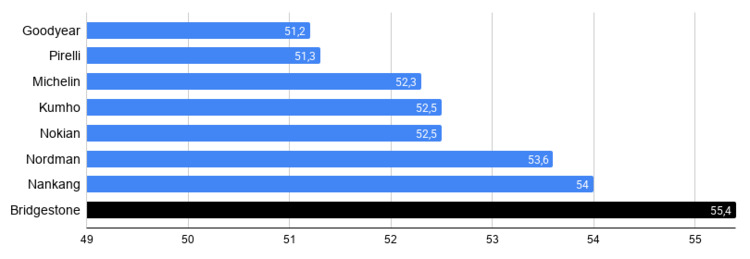
Pirelli provided the best handling on dry roads, while Michelin impressed with excellent feedback and directional stability. In contrast, Nokian had imprecise steering responses, making control more difficult, and Nankang tended toward understeer during sudden obstacle avoidance.
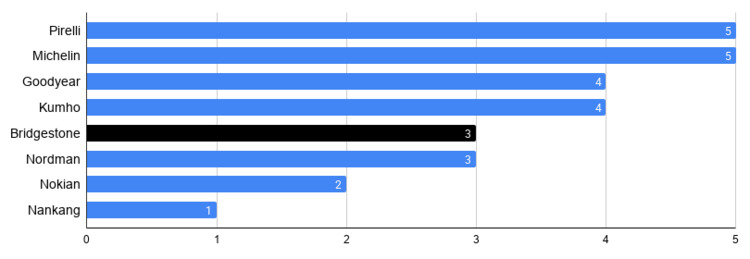
Kumho proved to be the most fuel-efficient tyres in the test, while Nokian and especially Bridgestone increased fuel consumption.
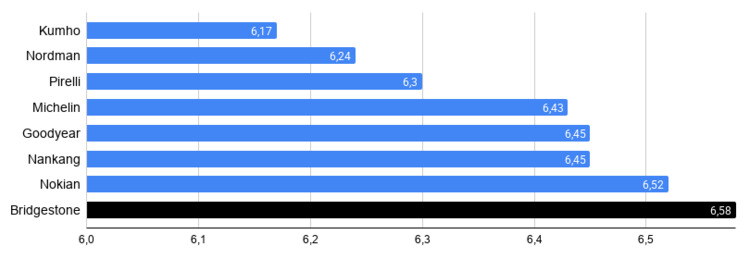
Noise levels were measured inside the cabin at 70 and 110 km/h, but final evaluations relied more on subjective impressions. Testers noted that this is where the advantages of Nokian’s new studs became apparent: “While previous models were quite noisy, now they’ve managed to eliminate the unpleasant hum.” At the opposite end of the scale were Nordman, Kumho, and especially Bridgestone, whose large stud protrusion produced loud clattering on asphalt.

Verdict
The top position goes to the new Nokian Hakkapeliitta 01. Testing confirmed that ice grip remains at a very high level, while the updated rubber compound delivers strong performance on wet roads, and the retractable studs have significantly reduced noise levels. However, results on dry asphalt were disappointing: testers noted less precise steering responses, reduced directional stability, and diminished grip during emergency manoeuvres. “It seems Nokian prioritized ice performance at the expense of asphalt handling. A pity. Nevertheless, the overall result is strong enough to secure victory in the test,” experts concluded.
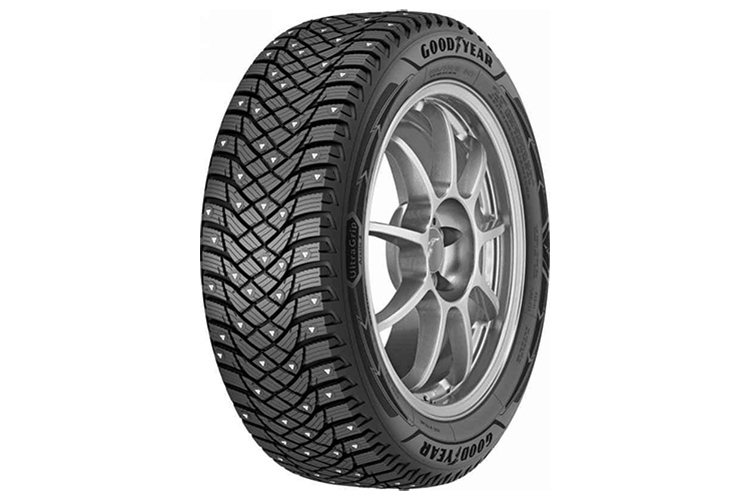
Goodyear recently announced that they have adapted the Goodyear UltraGrip Arctic 2 to the new Northern European standard (the tyre class changed from A to A+), which requires further reduction in road wear. This may explain the unusually low stud protrusion. The new requirements will apply to all passenger tyres manufactured from 1 January 2027, and in this test, Goodyear had the lowest stud protrusion of all participants. Although there was concern this modification might reduce ice grip, the tyres delivered solid performance—though not top-tier—while also achieving short braking distances on both dry and wet surfaces, resulting in an impressive overall balance. That said, they are not without flaws: steering responses on asphalt felt somewhat vague, possibly due to having the deepest tread depth among the tested tyres.
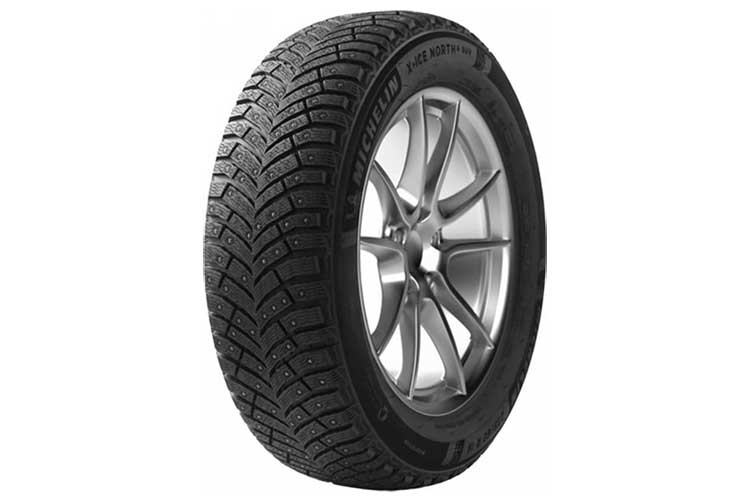
Michelin X-Ice North 4 has been on the market for quite some time (the manufacturer has already adapted it to the new standard, but the tested version was the A-class model), yet it continues to achieve high rankings in tests, thanks to excellent traction and braking on both ice and snow. However, it falls slightly behind leaders in cornering grip, especially during dynamic driving. On dry asphalt, Michelin “demonstrated surprisingly balanced behaviour, ideal for everyday driving,” earning praise for good feedback, directional stability, and consistent handling at high speeds. However, wet grip was relatively weak, causing the tyres to noticeably trail behind the leaders.
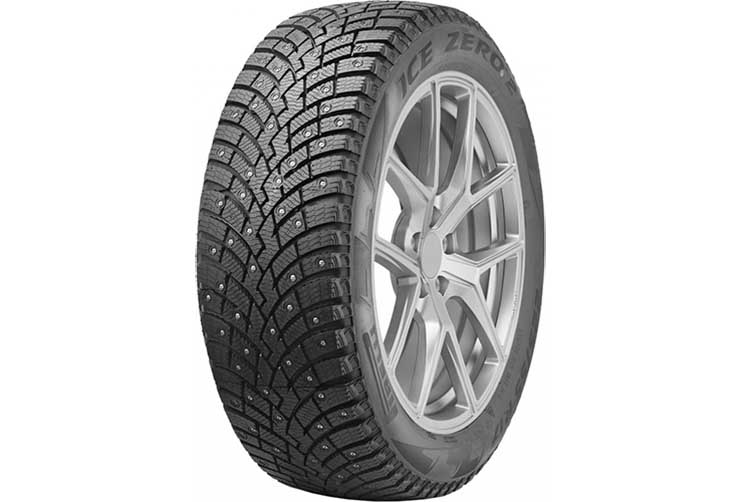
In fourth place came Pirelli Ice Zero 2, which stood out by showing its main weaknesses on ice—a trend that has persisted in recent years regardless of tyre size. Traction was good, but braking and handling lagged behind some competitors. On the other hand, Pirelli excelled on asphalt, effectively preventing aquaplaning, stopping quickly (on both dry and wet surfaces), and providing excellent feedback. Testers said no other winter tyre—studded or non-studded—delivers such enjoyable driving sensations on asphalt. However, weak ice grip prevented Pirelli from reaching the podium.
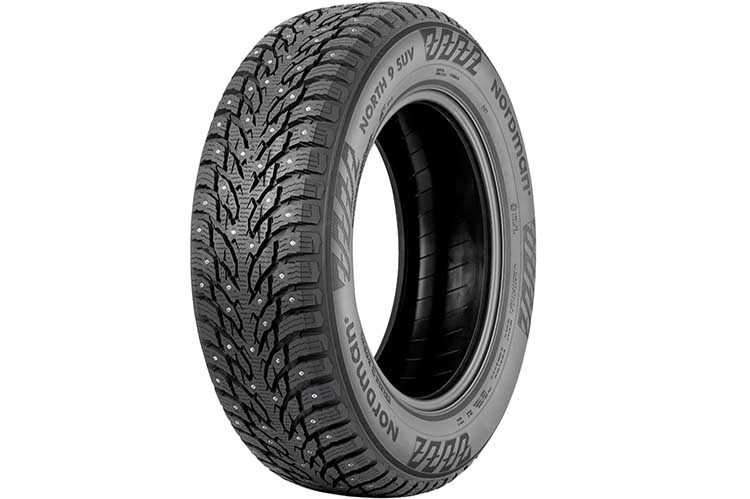
Next is the Nordman North 9 SUV, featuring a tread pattern derived from Nokian Hakkapeliitta 9 but made from a less advanced rubber compound. Experts noted that Nordman typically emphasizes “winter” performance, and its compound was among the stiffest in the test, which becomes evident during emergency manoeuvres on ice. Overall, the tyres behave stably but simply fall short of leaders in overall grip. A more serious drawback is their clear lack of grip on wet asphalt. Additionally, Nordman tyres are relatively noisy.
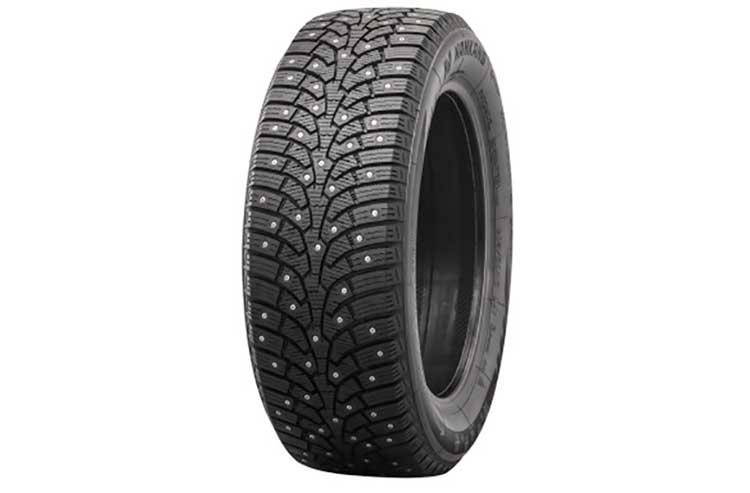
Nankang Ice Activa Grip 2 SUV (SW-9) performed so well in winter disciplines that experts named it the best budget model in snow and ice performance among all tyres tested. Although grip isn’t as confident as premium tyres, Nankang behaved surprisingly predictably, warning drivers before reaching the grip limit without sudden slides. On wet asphalt, however, the picture was less positive: the Nankang tyres aquaplaned early when hitting puddles, responded imprecisely to driver inputs, and poorly maintained trajectory during obstacle avoidance. Overall, these tyres are very suitable for snow and ice, but like many budget tyres, they lack versatility.
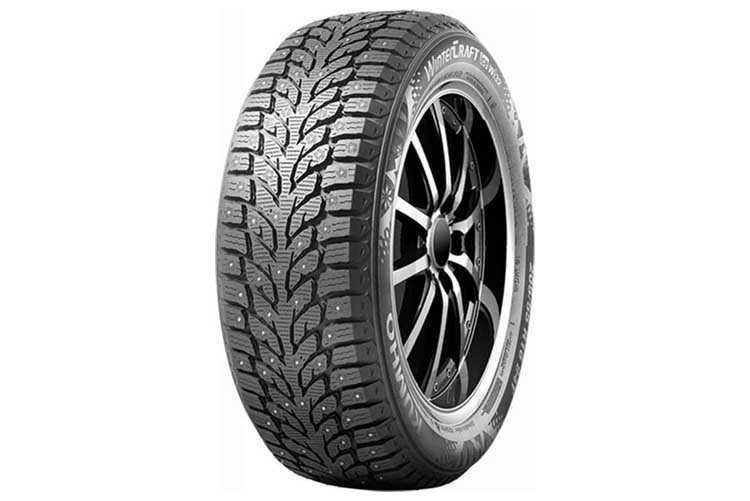
While Nankang pleasantly surprised, the results of Kumho WinterCraft Ice Wi32 were disappointing. Testers noted that due to relatively low stud protrusion (despite not being adapted to the new standard) and a stiff rubber compound, ice performance was very poor. On snow, Kumho could suddenly break into a skid, and they also showed weak results on wet surfaces, both in corners and during braking. Noise levels were high as well. Although on dry surfaces Kumho received high marks for short braking distance, good obstacle avoidance stability, and low rolling resistance, they still finished in last place.
Regarding the disqualified Bridgestone Blizzak Spike 3, testers noted that unusually high stud protrusion—previously seen only on budget tyres—gave an advantage on ice. As for other characteristics, compared to competitors, these tyres behaved relatively unstably, with skidding occurring very abruptly, and their dry braking distance was comparatively long. Thus, apart from ice performance, Bridgestone delivered average results and did not justify their high price.
Source: Vi Bilägare