
AutoView's 2026 summer UHP tyre test
The Korean portal AutoView conducted another tyre test, comparing the latest UHP models from all three major local manufacturers — Hankook, Kumho and Nexen— with products of a similar class from leading European and Japanese manufacturers. The tyres were tested in size225/45 R18on dry and wet surfaces using BMW 120 and 220.
List of participants:
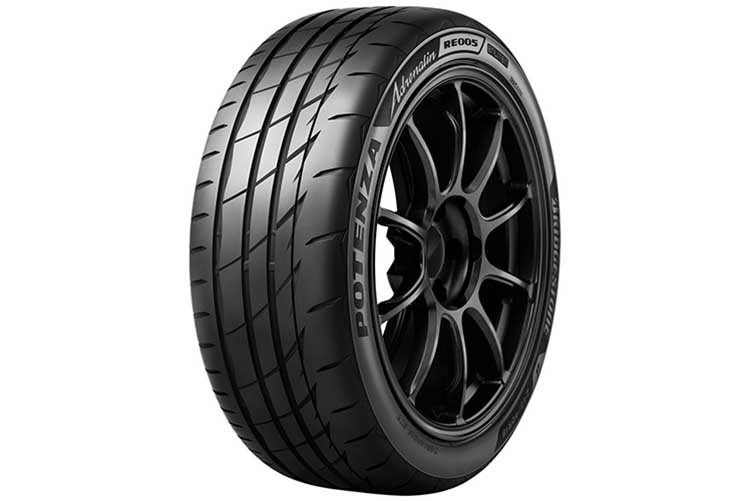
Bridgestone Potenza Adrenalin RE005
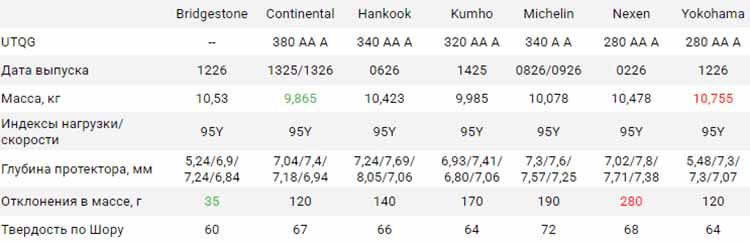
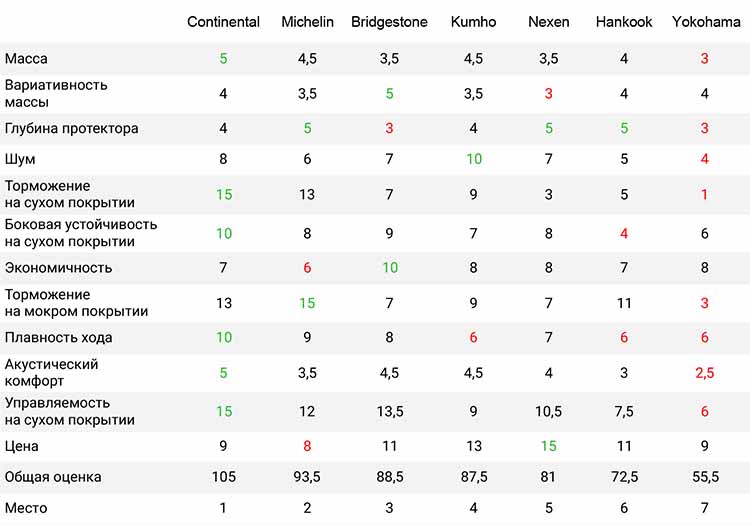
One of the features of the Korean test is that additional parameters are considered when compiling the final ranking, such as average weight and how much it varied among tires within the same set. The lightest tires turned out to be Continental, while the heaviest ones are Yokohama, and the lower the weight, the better, in particular, fuel efficiency. The smallest weight difference was observed in theBridgestone— as little as 35 g, while the worst in this regard were Nexen with a value of around 280 g.
The braking distance on dry pavement was measured from 100 km/h, and only Continental managed to stay within 35 meters, rightfully taking first place, followed byMichelin, which also achieved excellent results. In last place were Yokohama, whose braking distance was 4.1 m longer than that of the leader.

On the wet track, the braking start speed was reduced to 80 km/h, and again the best were Continental and Michelin, which swapped positions, while Yokohama ended up at the bottom of the ranking. Overall, in terms of braking performance, European tyres undoubtedly lead, and the best among Korean brands was Hankook, which delivered a good result on wet surfaces but only an average one on dry.

In the dry handling lateral stability test, the moment when the tires lost grip was recorded, and the maximum speed of 73.07 km/h was maintained by Continental, followed by Bridgestone and Michelin, while Hankook trailed all competitors.
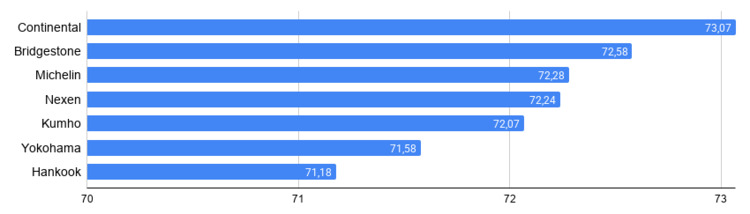
The Continental tyres, which took first place in handling tests on a dry track, provide excellent feedback at any steering angle and high resistance to lateral drift, behaving predictably at the limit of grip. According to testers, although the overall grip level of the Continental tyres isn't the highest, they allow the driver to effortlessly exploit their full potential, which ultimately led to their success in the test.
Next are the Bridgestone tyres, which also offer very good lateral stability. Although they have a slight tendency to oversteer, their behaviour remains predictable, and experts recommend these tyres to enthusiasts of sporty driving who value control in all situations.
Michelin also has a certain tendency to skidding during sharp maneuvers, but it does not create any danger, and the tires remain stable. Overall, Michelin delivered very high performance across almost all handling parameters, but since some competitors had slightly better grip, these tires lost a few points.
Nexen fell behind the three leaders but emerged as the best among the "Koreans." Response at the central steering position is slightly delayed, but the good news is that handling remains stable at high speeds, and the tires do not deliver unpleasant surprises or create hazardous situations.
Kumho tyres have a generally very high grip level, but the response was delayed and imprecise, meaning the vehicle was less agile in corners than desired. The tendency to skidding also appears relatively early. The manufacturer needs to improve not the grip itself, but the driver's ability to utilize that grip—further refinement is needed in terms of responsiveness, agility, and steering precision.
Hankook showed a rather mediocre result, especially due to not very reliable grip during turns at high speeds. At relaxed driving, the tires behave steadily, but during quick maneuvers their shortcomings become more noticeable, and in some situations, counter-steering is required.
Yokohama tyres also perform well at lower speeds, but problems arise as speed increases, such as a sharp decline in lateral stability. Although overall grip is crucial for tyres of this type, it would be beneficial if Yokohama offered more predictable handling when approaching their limit. Thus, these tyres are well-suited for everyday use, but should not be expected to deliver outstanding performance during truly sporty driving.
Noise was measured on both uneven and smooth asphalt, with Nexen and Kumho being the quietest on uneven surfaces, while Kumho took the lead on smooth surfaces. This aspect of the test was the most important in determining the overall result. Acoustic comfort was also evaluated, with Continental and Kumho taking top positions, while Bridgestone and Nexen likewise showed no significant noise-related issues. In contrast, Yokohama, Hankook, and Michelin produced a relatively noticeable low-frequency noise.

The growing popularity of electric cars has further increased the importance of rolling resistance, which affects driving range, and Bridgestone has emerged as the leader in this area—meaning the Japanese have successfully combined sporty handling characteristics with fuel efficiency. At the same time, Michelin appears to have sacrificed energy efficiency in favor of improved grip.

Verdict
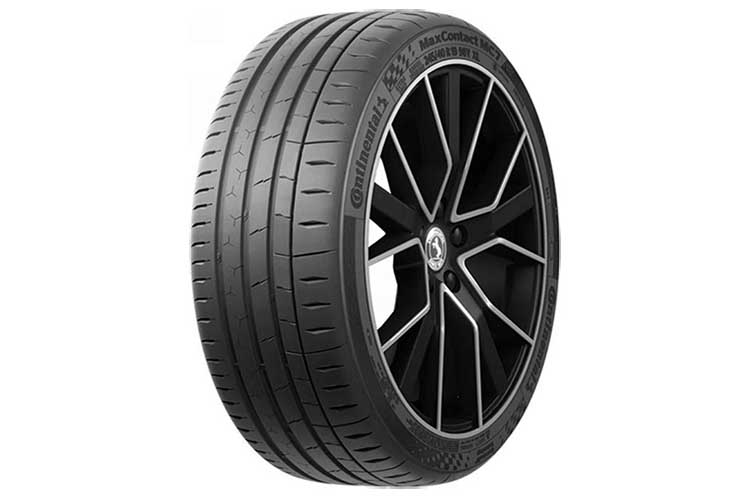
The top spot in the overall ranking goes to the Continental MaxContact MC7 tires, which were the best on dry surfaces across all parameters and were surpassed only by Michelin on wet roads. In addition, these tires provide a high level of acoustic comfort and offer an impressive overall balance of performance. Experts also noted that this model consistently receives very high scores in tests, which further commands respect. "Some manufacturers produce truly effective tires only at the beginning; once they've earned a strong reputation in the market, they reduce their production costs, which naturally leads to a decline in tire performance. Moreover, some tires deliver peak performance in only a few sizes, which also helps manufacturers cut costs. However, neither of these issues applies to Continental," they say.
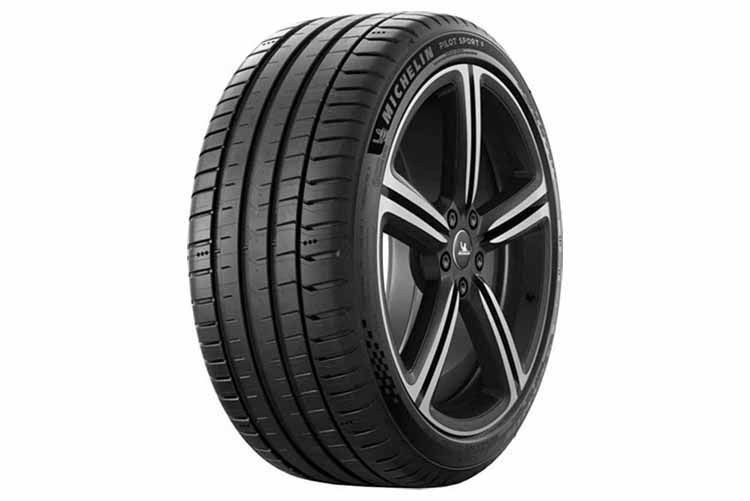
Silver was earned by the Michelin Pilot Sport 5, which also performed excellently on both dry and wet surfaces. Testers noted that, in terms of feel, they were not as sporty as the Continental, making them suitable for drivers who value balanced and reliable handling over extremely sharp steering response. The drawbacks of the Michelin are quite obvious, and apart from the high price, they include low energy efficiency—possibly why an economical version has already been released to the market.Pilot Sport 5 energy. In addition, only the Michelin showed serious damage to the outer shoulder blocks of the tread after testing.
Bridgestone Potenza Adrenalin RE005, which took third place, demonstrated average braking performance but excellent lateral stability and handling, including at the limit of grip. Surprisingly, they also showed the lowest rolling resistance. In addition, the weight difference among the four tires was only 35 grams, a figure directly related to product quality.
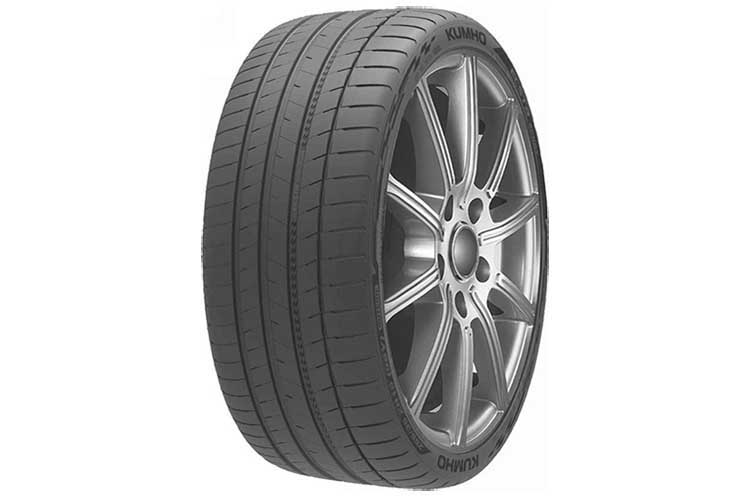
The best among tyres from Korean brands were the Kumho Ecsta Sport, which stood out for their low weight and high acoustic comfort, as well as being offered at competitive prices. At the same time, they fall behind Continental, Bridgestone and Michelin during sporty driving, and ride comfort is also not the best.
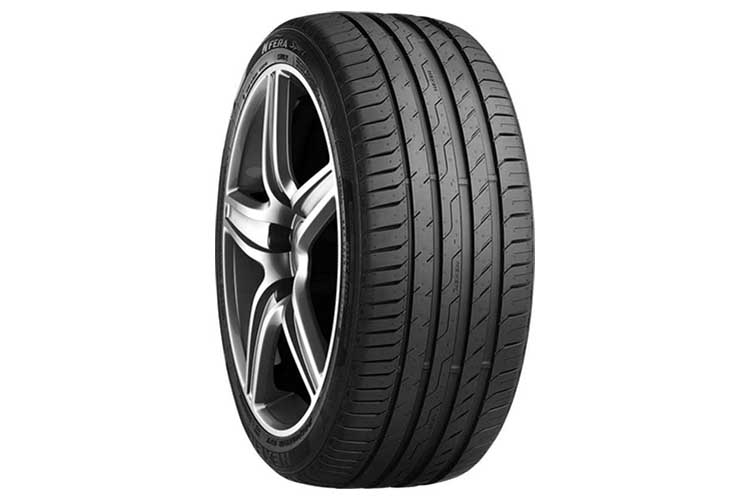
The main advantage of the Nexen N'Fera Sport is its low price, but they don't lag far behind the leaders in terms of handling. Although a tendency towards both understeer and oversteer is noticeable during maneuvering, it's "not critical enough to make it difficult for the driver to respond." The downside, however, is weak braking performance, with the gap to the top tires being particularly evident on dry surfaces.
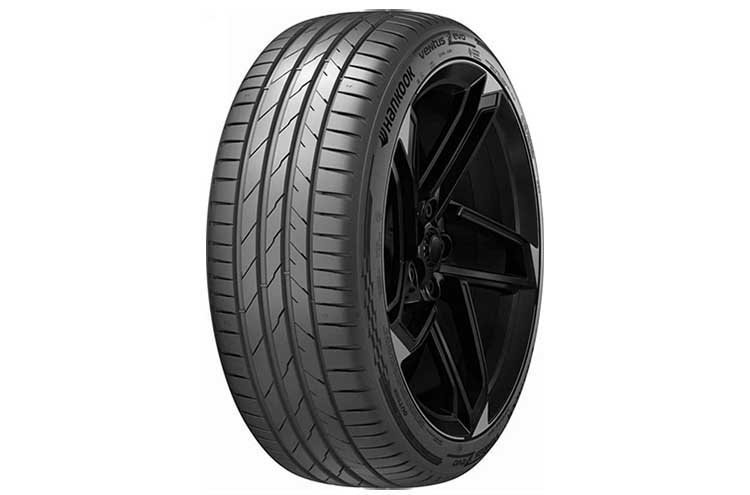
Hankook Ventus Evo earned a large number of points thanks to its short braking distance on wet surfaces. However, in the lateral stability test on a dry track, they reached the grip limit faster than all competitors. Additionally, handling tests revealed a tendency towards oversteer, and the tyres are also noticeably noisy. AV adds that Hankook tyres often show significantly different performance across various sizes, delivering excellent results in one size, yet clearly weak performance in another. "This is all the more disappointing considering Hankook is the largest tyre manufacturer in the country," testers noted.
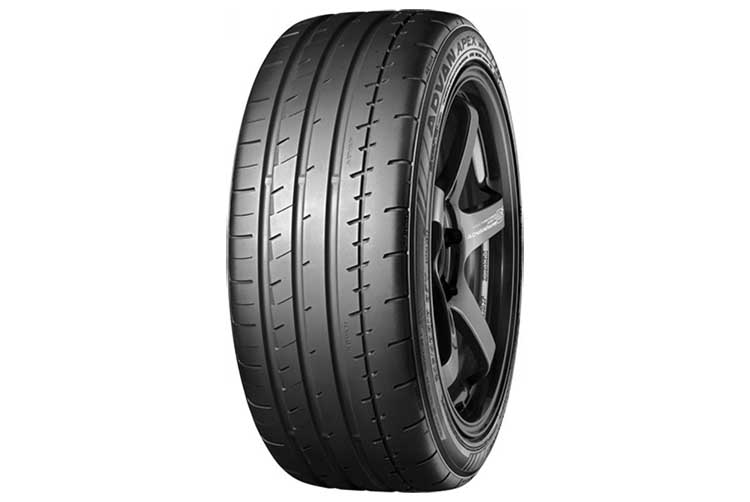
At the bottom of the list are the Yokohama ADVAN Apex V601, which had the longest braking distances on both wet and dry surfaces. Additionally, handling deteriorated noticeably at higher speeds, and the Yokohama tyres produce audible road noise. Fuel efficiency is decent, but in terms of aspects most important for the UHP segment, these tyres fall significantly behind their competitors.
Source, including photos: AutoView