Summer tyre test by Teknikens Värld — 2026
Swedish experts from Teknikens Värld conducted tests of summer tires in size235/45 R18, including tire models from all price categories in the list, as well as adding the cheapest option available this time, taken from the budget segment under the brand Sonix from the Chinese company Qingdao Uni-Power Tyre.
List of participants:
Goodyear Eagle F1 Asymmetric 6
This year's test included several newcomers, and the testers noted that the Michelin Primacy 5 and Pirelli Cinturato attracted the most interest. Tyres from both companies have previously led in tests, and the same is expected from these new models, so expectations, as they say on TV, are "extremely high." In the case ofMichelin models Primacy have either shown excellent results or even won tests — hence the high expectations. However, even the largest manufacturers can fall short, and the question is whether Michelin made any compromises during the development of the Primacy 5. On the other hand, Pirelli has seriously updated its range in recent years, and, for example, the tyre was introduced P Zero of the fifth generation. The premiere of the Cinturato may not have been as prominent, but this model, aimed at the mass market, is also of great importance to the company; therefore, as experts stated, if it does not meet the highest industry standards, it will effectively be considered a failure.
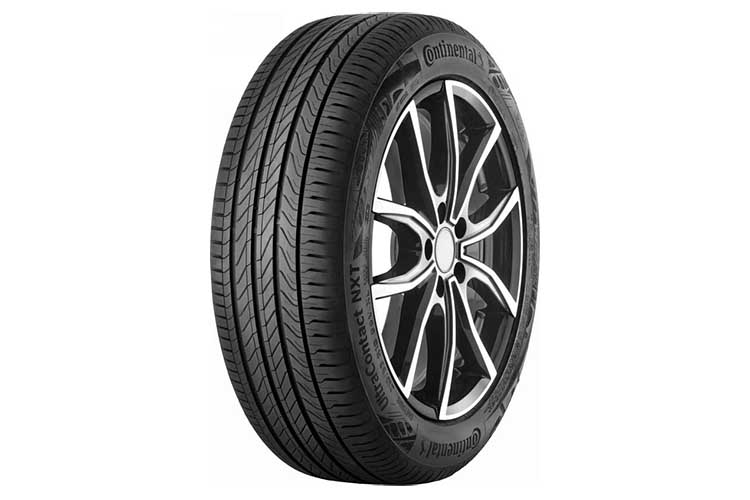
TV also tested the Continental UltraContact NXT tyre for the first time, which stands out from competitors as up to 65% of its materials are eco-friendly, such as silica derived from rice husk ash and polyester from recycled plastic bottles. The NXT is no longer the only such tyre on the market, and testers note that while there are still few eco-friendly products available, their number is definitely set to increase.
As for the Sonix, in Sweden the price of a set including installation and balancing is 4,400 kronor (35.1 thousand rubles), almost three times less than that of Michelin (10,800 kronor). The TV team says testing budget tyres is always interesting: "What if they surprise everyone and turn out to be actually quite decent?"
Sonix really did manage to surprise, but unfortunately not in the way one might have hoped. Experts noted that in current braking performance tests, it's rare for any tyre to stand out, as the vast majority of manufacturers understand how to equip their products with acceptable braking properties. However, the Prime UHP 08 became an exception. "They performed even worse than is typical for tyres with low performance ratings. In short, the results were simply awful," testers stated.
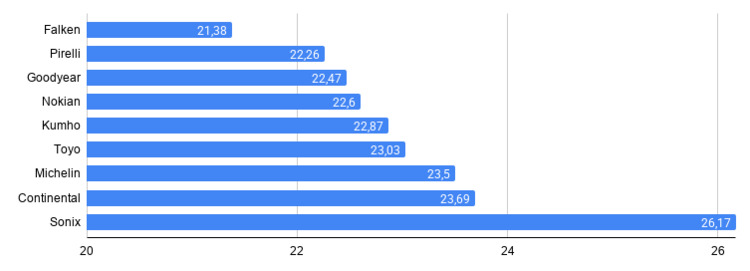
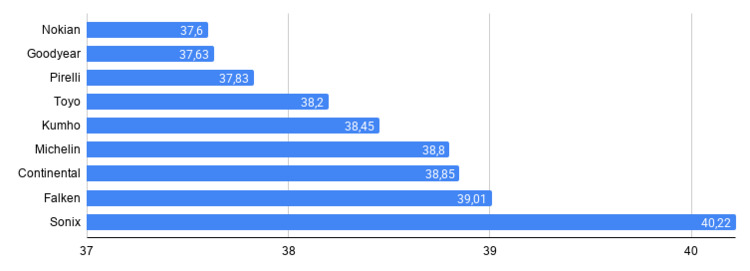
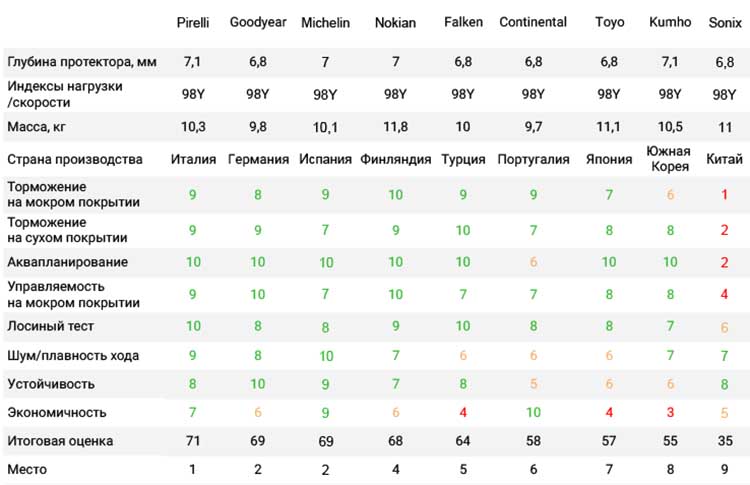
The shortest braking distance from 80 km/h on dry pavement was achieved by Falken— 21.38 meters, while the Sonix required approximately five meters more. This performance is so poor that almost all participants stopped their vehicles (also from 80 km/h) over shorter distances on wet surfaces. For comparison, braking distances for the Falken and Sonix were also measured from 100 km/h. The Falken tires achieved a very good result of 33.171 meters, whereas the car on Sonix tires traveled an additional seven meters, which is already a "completely failed result."
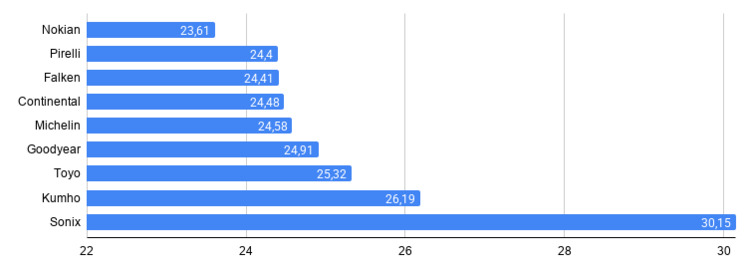
On wet surfaces, the Sonix had a braking distance of 30.15 m, while the best result was achieved by Nokian, stopping in 23.61 m. This time, the budget tyres were so ineffective that in a similar test previously, many studless European winter models performed significantly better.
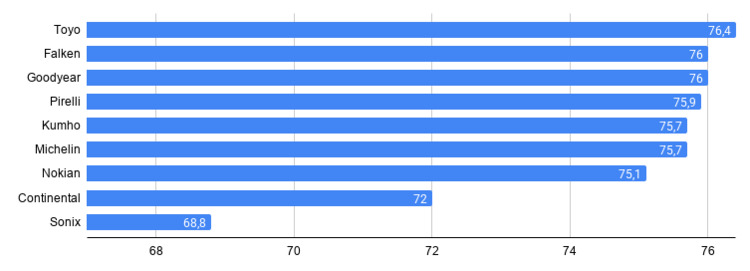
The tests on resistance to longitudinal aquaplaning yielded unusual results because seven out of nine tyres delivered nearly identical performance, and all were genuinely good. The difference between the best and worst results in this group was just 1.3 km/h, a level of consistency seen only once before in 25 years of TV tests, back in 2024. TyresContinental slightly lagged behind the others — and performed worse than previous models from the German brand, while Sonix again demonstrated frankly weak performance.
In wet track handling tests, the best were Goodyear and Nokian, which provide both high grip and easy handling, while the Pirelli tires were close to the leaders but fell slightly short due to a bit lower traction and less precise steering response. Overall, the eight top-ranked tires showed no tendencies toward understeer or oversteer and behaved reliably. However, this clearly does not apply to the Sonix tires, which constantly lost grip at unexpected moments on both the front and rear axles, making the vehicle extremely difficult to control.
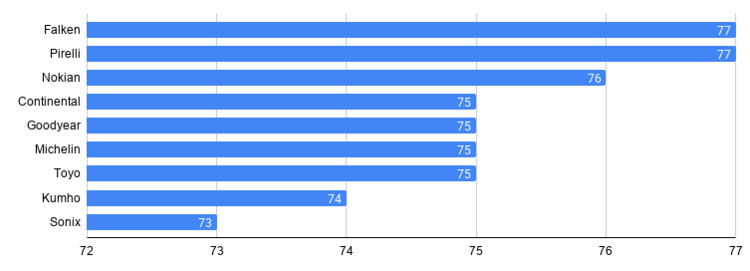
In a moose test simulating an emergency obstacle avoidance maneuver, Falken and Pirelli performed best, handling speeds up to 77 km/h, which should be considered an excellent result. Continental, Goodyear, Michelin andToyoalso performed reasonably well, but body roll was more noticeable compared to the top two tires, grip was lower, and the response to driver inputs was less immediate. The last place again goes to Sonix, but this time their results weren't as disastrous as in other tests. Although traction was weaker than that of other tires and the driver had to turn the steering wheel significantly more, the budget model managed to avoid a complete failure in this discipline.
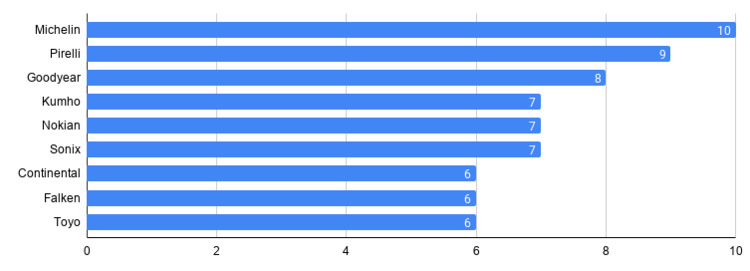
The most comfortable tyre was found to be the Michelin, which combines low noise levels with excellent damping properties, while Pirelli took second place. This year, TV exceptionally tested a tyre featuring a special noise-cancelling function — the Nokian, manufactured using SilentDrive technology. Experts noted that they had previously tested the Hakka Black 3 in this size and had no complaints regarding acoustic comfort. This time, noises caused by air resonance within the tyre were indeed reduced, but the noise related to the tread pattern remained and was "quite noticeable," meaning the overall effect was less than expected. Sonix performed well in terms of comfort, while Continental, Falken, and Toyo ended up in the lowest positions, as all three are relatively loud and do not sufficiently absorb vibrations.
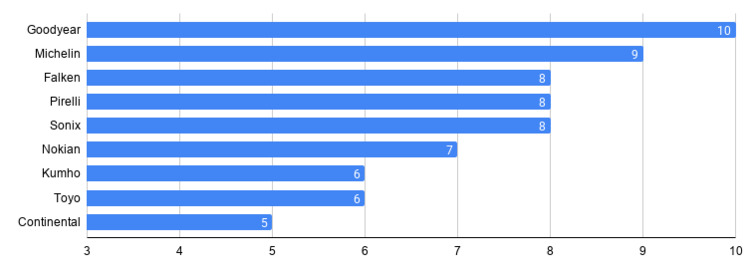
The Swedes also provide a separate rating for stability, and here the top spot went to Goodyear, which offer good feedback and allow the vehicle to follow the intended trajectory. Michelin took silver, although they did exhibit a slight delay in response when initiating steering input, while Continental turned out to be the worst, requiring constant correction during turns.
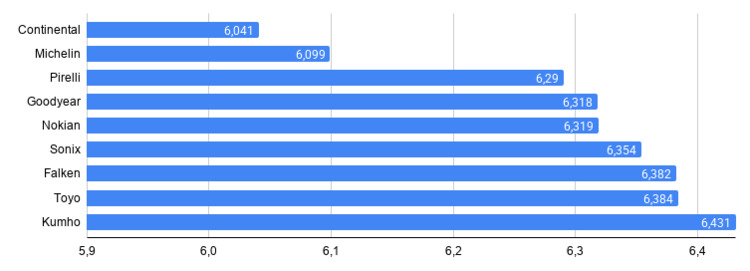
In the fuel economy test, Continental and Michelin took the top spots, and experts noted that the reduced rolling resistance of the former tires appears to have negatively affected grip levels. At least in this case, the NXT outperformed its rivals solely in terms of energy efficiency, whereas the Primacy 5 offers more balanced characteristics.
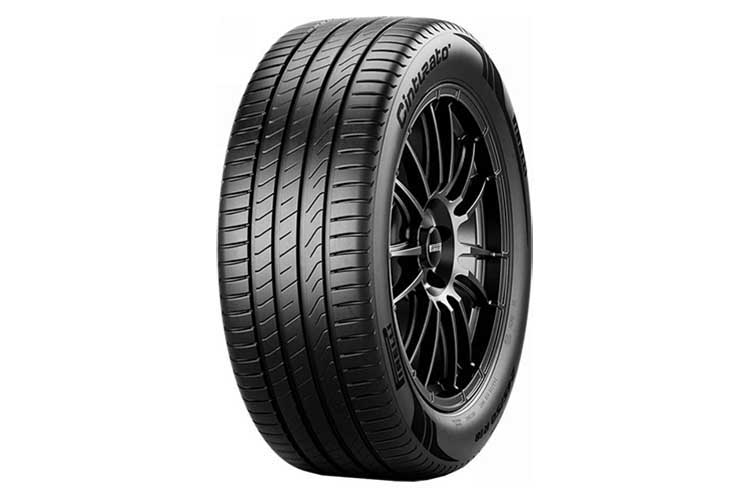
Pirelli Cinturato (C3) won the test with a small margin over its closest competitors. Although it has increased rolling resistance, this is more than compensated for by excellent driving performance on both dry and wet surfaces. The tyre ranked first in only two test categories, but this is not particularly significant given its consistently high overall performance.
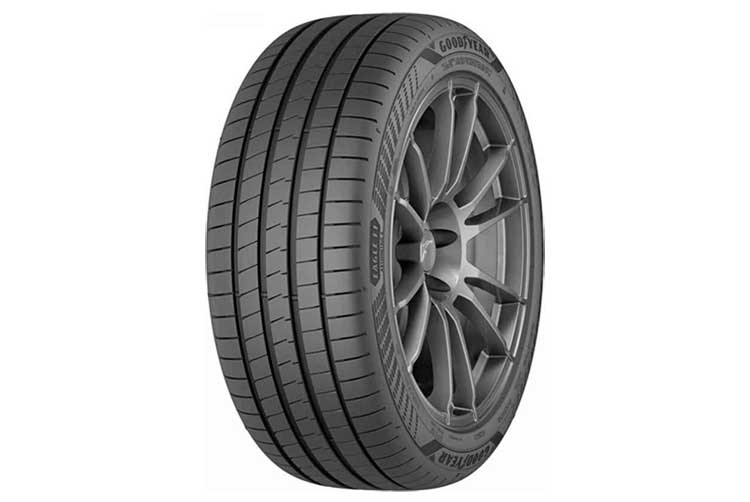
Goodyear Eagle F1 Asymmetric 6 performed best in wet condition tests, although they also have suboptimal fuel efficiency, which is not unusual, as excellent wet grip combined with low rolling resistance is almost never seen in testing.
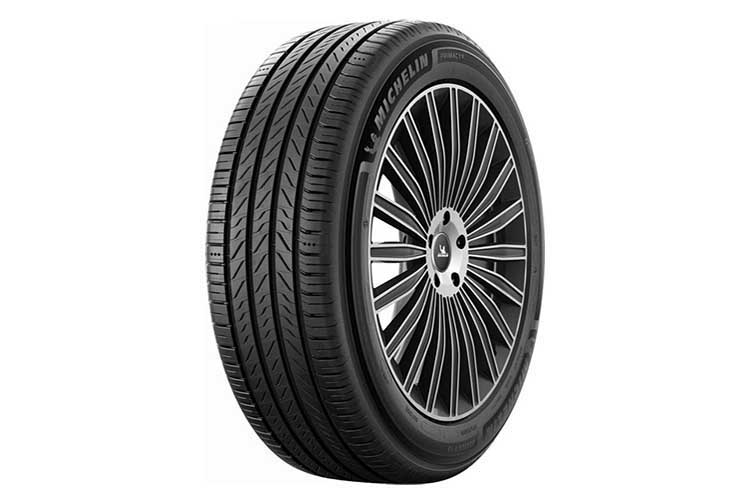
The Michelin Primacy 5 tyre, sharing second place with Goodyear, confirmed its status as a worthy successor to the proud traditions of its predecessors, combining a high comfort level with the ability to reduce fuel consumption. Grip in certain categories was not as strong as, for example, with Pirelli, but overall these are very high-quality tyres.
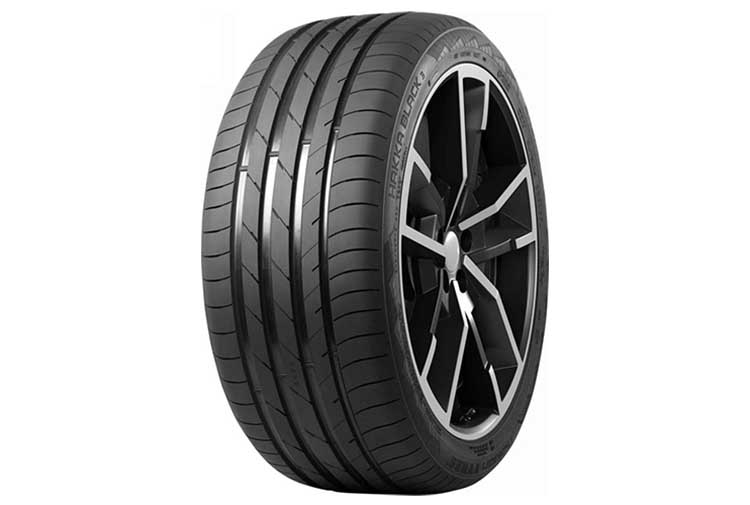
Nokian Hakka Black 3 performed excellently in terms of grip, so safety is fully assured. However, reduced comfort and high rolling resistance negatively affected the final rating. Moreover, the tyres turned out to be significantly heavier than almost all other participants in the test.
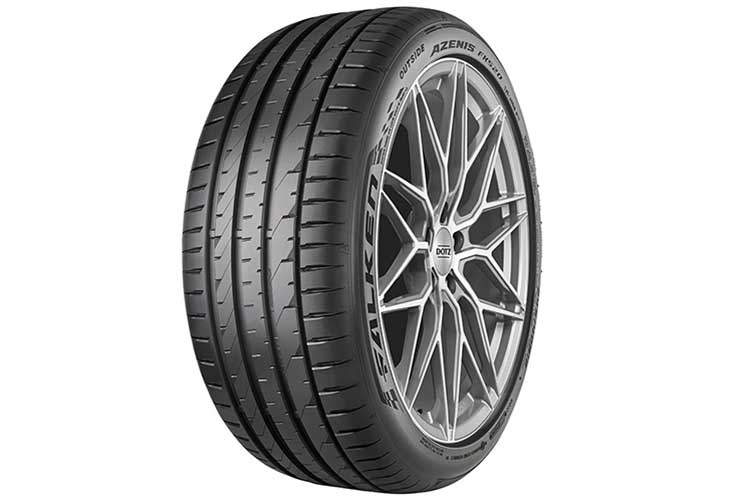
Fifth place goes to the Falken Azenis FK520, which have more significant drawbacks compared to tyres ranked higher. For instance, wet grip is average, ride comfort on uneven surfaces is also less than ideal, and additionally, these tyres have high rolling resistance.
Next come the eco-friendly Continental UltraContact NXT, and experts noted that when weighing all the pros and cons, these are "extremely mediocre tires," with strong points including a short braking distance on wet roads and the best fuel efficiency among the tires tested.
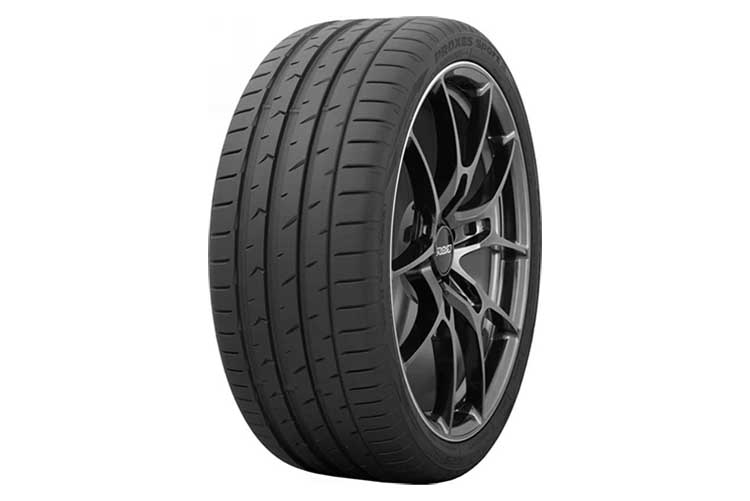
Toyo Proxes Sport 2 showed "decent or even very good" grip in tests, but comfort and fuel efficiency were low, resulting in an overall average test performance.
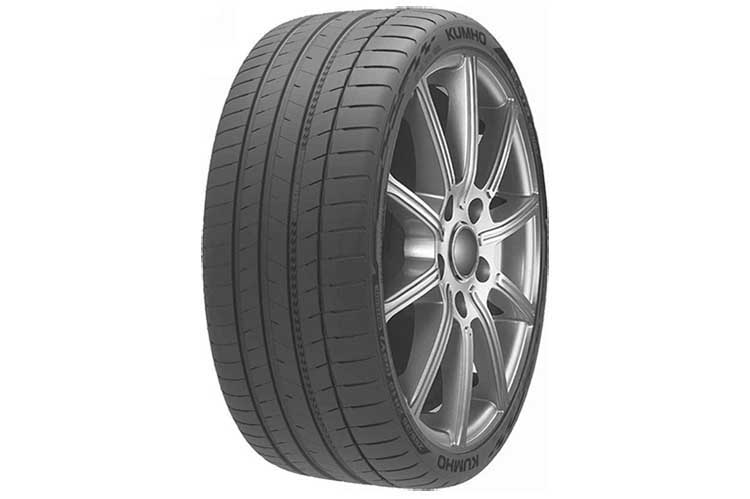
Kumho Ecsta Sport tyres stood out in the aquaplaning resistance test, but they definitely do not have the best braking performance, especially on wet roads, and this combination of properties seems somewhat strange. In addition, theKumho worst fuel efficiency among the test participants.
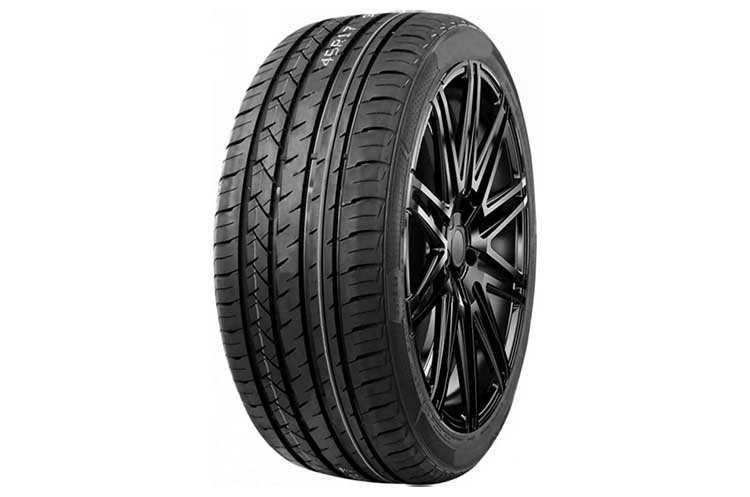
As for the Sonix Prime UHP 08, these tires are so poor in terms of braking performance and resistance to aquaplaning that they pose a safety hazard. According to testers, Sonix tires are quite comfortable, which may create a false impression that they are good tires, but this is absolutely not the case, and they are not recommended for purchase.
Source:Teknikens Värld