Winter Non-Studded Tyre Test by «Autoradio» — 2026
In 2026, the magazine "AutorEvю" decided to test friction winter tires in size225/55 R18, including tyres from all price segments in the list of participants, with the main contenders for victory being Gislaved ArcticControl(analog Continental VikingContact 7from«Cordiant»), as well as two more new releases from the previous season:Ikon Autograph Snow 5 SUV(own development by the company Ikon Tyres) and Pirelli Ice Zero FR 3. In addition, the following were testedHankook Winter i*cept iZ3 XandYokohama iceGuard iG70, and among Chinese tyres, we selectedMaxxis Premitra Ice 5 SUV, Sailun Ice Blazer Arctic Evoand Triangle Snowlink TWT02.
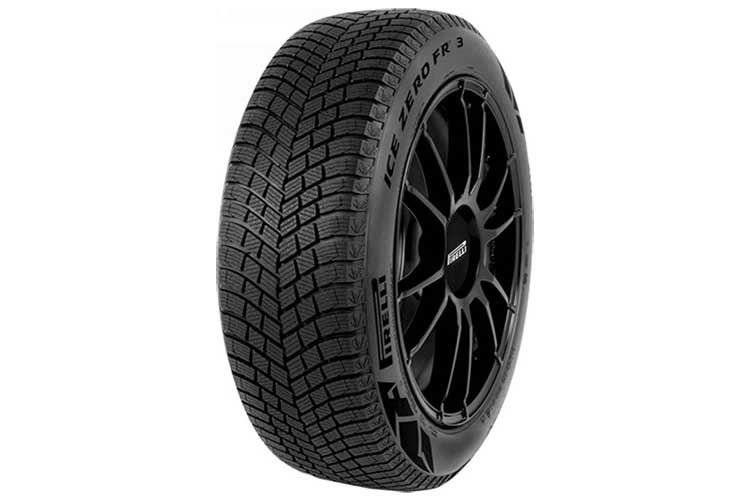
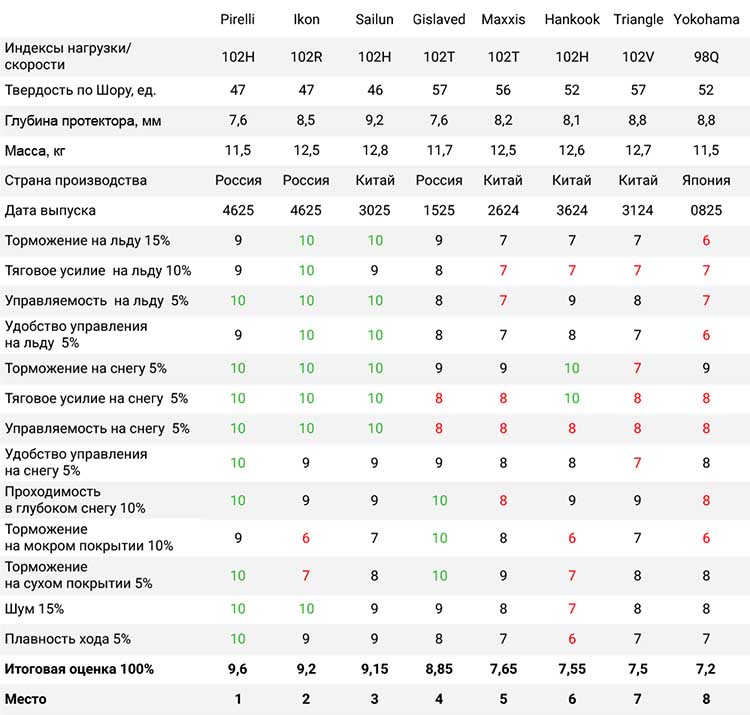
The tests were conducted on the tracks of the Dmitrov test site, and the tyres had to demonstrate their effectiveness on ice, snow—including deep snow—and asphalt. Taking first place in the tests were the Pirelli Ice Zero FR 3, which provided particularly good handling on snow. On ice, grip was less reliable, and skidding occurred more abruptly compared to the Ikon, but on asphalt,Pirelli left no chance for competitors, as they perform excellently under increased loads on both dry and wet surfaces, while also providing maximum comfort. Due to their well-balanced characteristics, these tyres are recommended for both urban and suburban roads, experts noted.
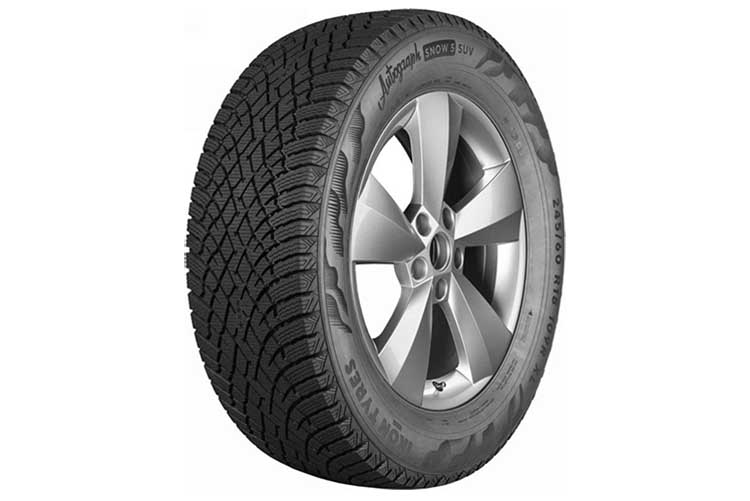
Silver went to the Ikon Autograph Snow 5 SUV, which dominated the ice tests, demonstrating excellent traction and braking performance, as well as receiving the highest subjective score for handling. Performance on packed snow was also outstanding, but the Ikon tread pattern coped less well with deep snow, achieving only the sixth-best result. On dry and wet asphalt, grip was also not among the highest, affecting both braking distances and handling.
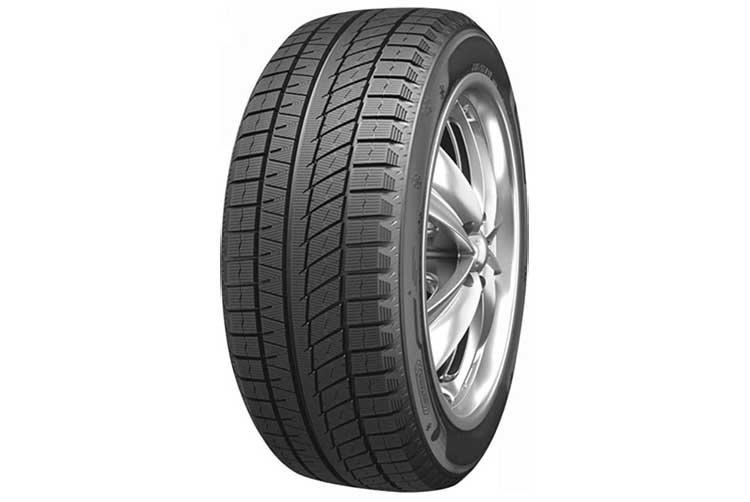
Only one tyre managed to outperform the Ikon on ice in one of the disciplines, and it was the surprisingly budget-friendly Sailun Ice Blazer Arctic Evo (testers even repeated measurements, doubting the accuracy of the results), which won in the key braking distance test.Sailun were also the best in acceleration and braking performance on compacted snow, but their driving characteristics on dry and wet asphalt leave much to be desired, meaning the Chinese developers failed to achieve an optimal balance of properties. At the same time, experts noted that overall, Sailun tires nearly match the more expensive Ikon models and do not suffer from comfort issues commonly associated with Chinese tires. Like the Ikon, these tires are recommended for those who frequently drive on snow and ice during winter, whereas those accustomed to active driving on asphalt in cold weather should choose a different option.
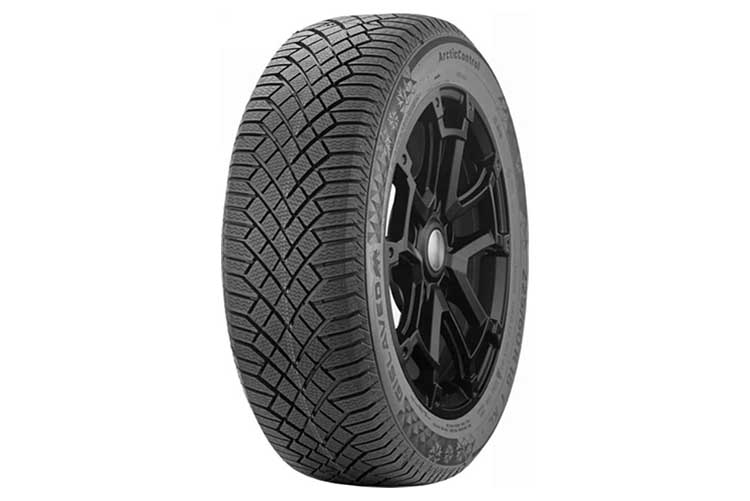
In fourth place are the tyresGislavedArcticControl, which perform well on deep snow, but truly shine on dry and wet surfaces. Testers noted that thanks to the aggressive tread pattern and relatively stiff compound, the tires handle increased loads effectively during braking and maneuvering. On snow and ice, the tires slightly lag behind the leaders, making them a good choice for drivers who use their vehicles on asphalt more often than on snow and ice during winter.
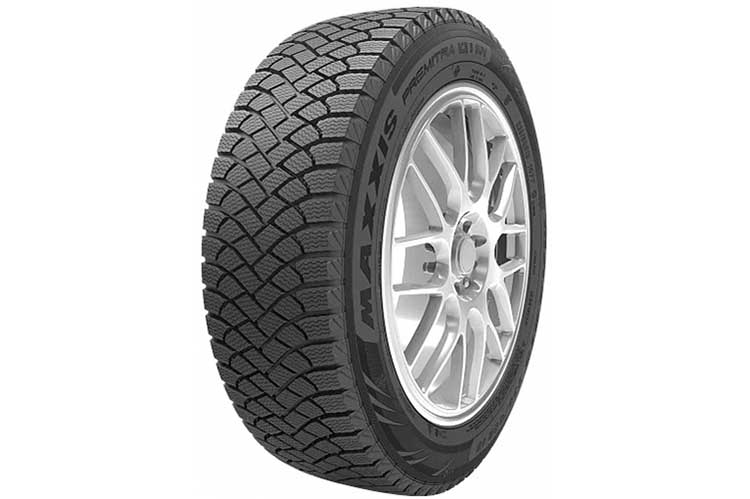
Maxxis Premitra Ice 5 SUV are also better suited for asphalt, where they deliver decent braking performance on both dry and wet surfaces (though with a stiff ride), but they lost the most points on ice due to mediocre lateral grip, and in handling tests they ranked last. Grip on packed snow is only slightly better, and when it comes to getting out of deep snowbanks Maxxisare also difficult to choose, and overall, as the testers said, they are close in performance to all-season tires.
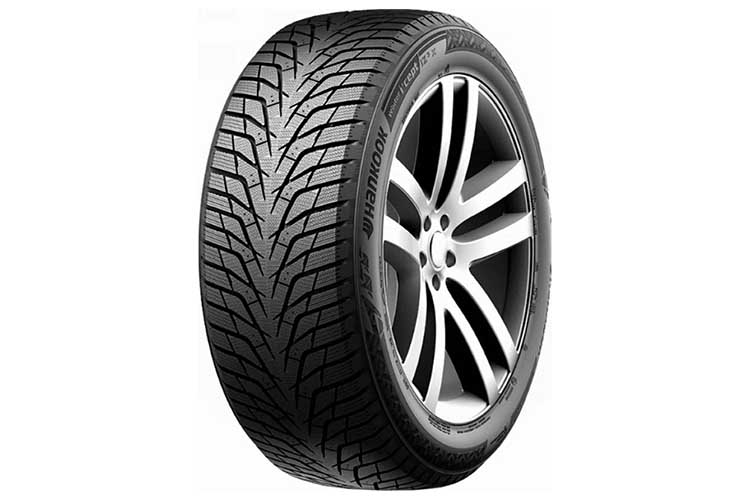
Hankook Winter i*cept iZ3 X perform best on snow, providing quick acceleration and braking, but they struggle to maintain the intended trajectory in corners, while their performance on ice is also not among the highest, including due to sudden slips into skidding. On asphaltHankookalso don't reach for the stars, as they have, in particular, a long braking distance on dry surfaces, and in addition, turned out to be the worst in terms of noise and ride comfort among the test participants.
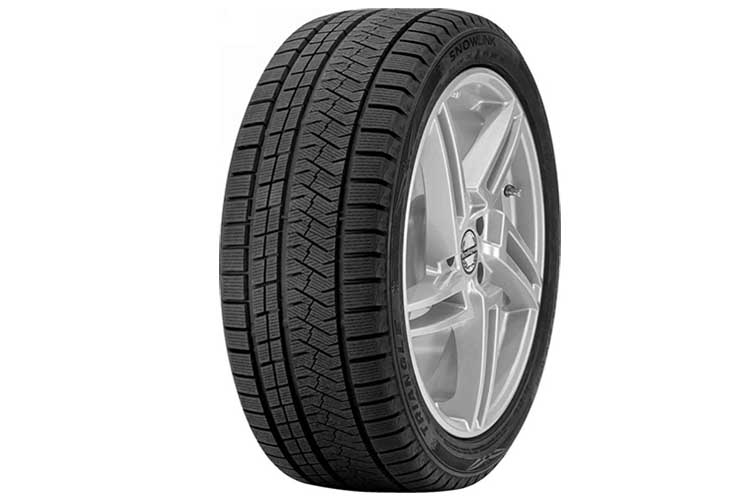
Seventh place went to the Triangle Snowlink TWT02, which perform reliably on dry and wet asphalt, but exhibit noticeably reduced grip on ice, causing a strong tendency toward skidding. On snow, the Chinese model showed the worst traction and braking performance. It should be noted that the TWT02 has the same tread pattern as the modelSnowlink PL02, which recentlyparticipatedin the Auto Bild test, and this magazine tests European-type winter tyres. (Triangle, incidentally, stood out by taking 50th place out of 50 for braking performance on wet surfaces.)
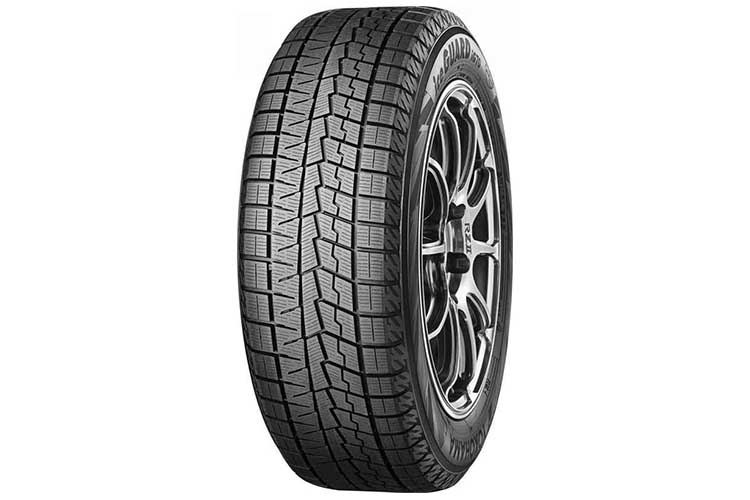
An unpleasant surprise was that the last position, even losing to cheap Chinese tires, was taken by the Yokohama iceGUARD iG70. On ice, they showed the worst performance in both acceleration and braking, and in the handling test they only managed to outperform Maxxis, receiving the lowest subjective rating. Grip on packed snow was slightly better, but their time on the winding track was the worst among all participants, as were their braking properties on wet surfaces. Comfort was also no better than that of budget Chinese tires, andYokohamaalso has the lowest speed rating in the test—Q (up to 160 km/h). "Such tires might suit Japan, but they're not suitable for Russian winter conditions," concluded the experts.
Full test results can befind outon the website "Autorievo"