How are tires manufactured?
Tires are a complex combination of components made from a variety of materials. From rubber trees to installation on a vehicle, a very labor-intensive process of finding materials, testing, development, and the actual assembly process takes place. Today, we will consider the key stages of tire production.
Research.
Many companies work on the precise study of demand and the competitive environment. It is what is in demand in the market that forms the direction of development and production. A great example is how the tire industry is being rebuilt to meet the dynamically growing demand for electric vehicle tires. All presentations of the latest innovations begin with a list of the advantages of a particular tire for installation on an electric vehicle.
Search and preparation of materials: The production of a tire is not a simple winding of rubber onto a hub. Various complex productions provide the necessary materials for creating rubber compounds - the basis of the tire. In giant blenders, up to 30 different types of rubber, antioxidants, and other ingredients are mixed to create the main mass. Steel, chemicals, natural and synthetic rubber, textiles - all these ingredients are carefully selected in a precise ratio, guaranteeing quality and durability.

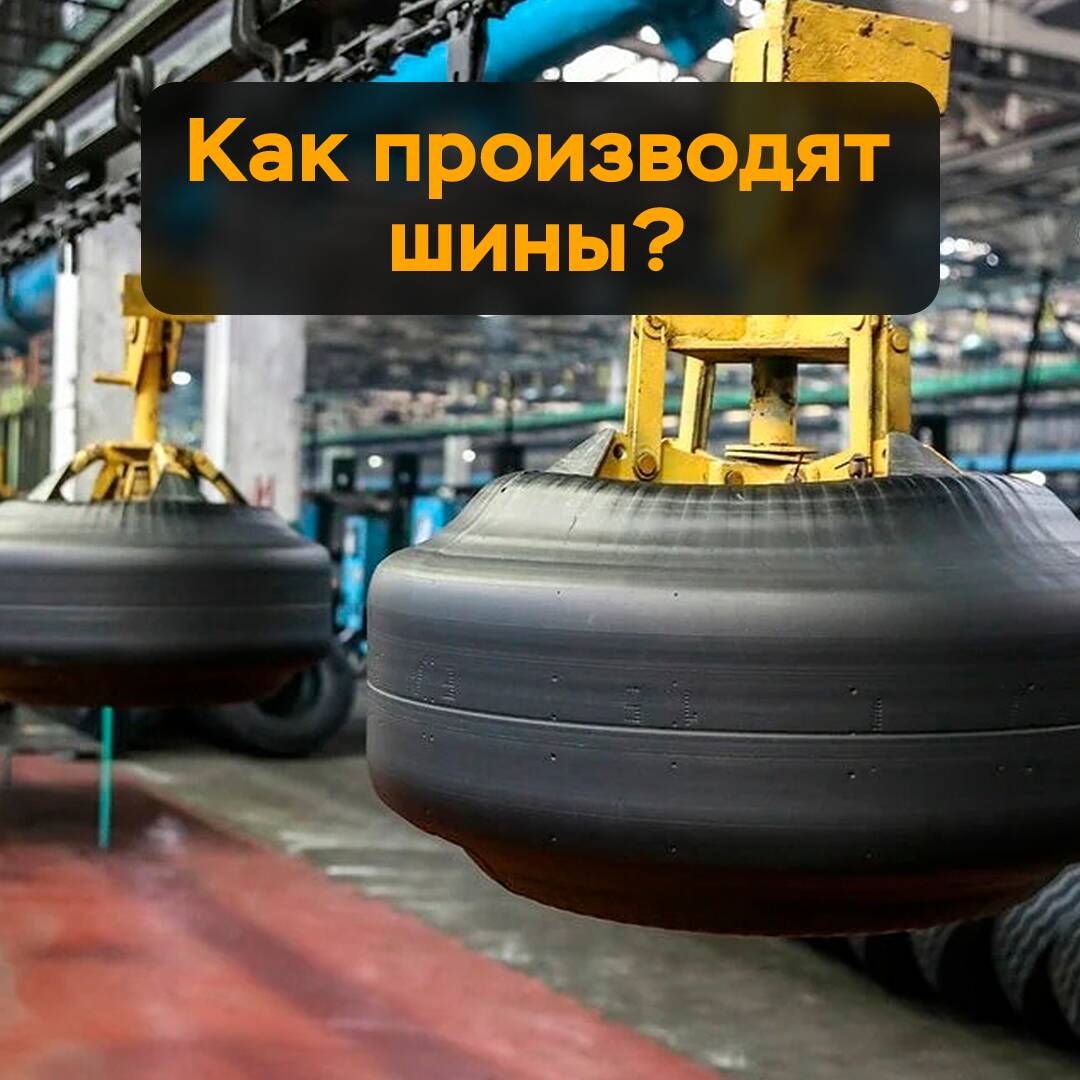
Manufacturing of components: At this stage, various elements of the tire are created, including steel cords, treads, texture cords, steel sidewalls, and inner liners. Each of them undergoes a series of processes to be ready for assembly. Cooled rubber is cut into strips, forming the basic structure of the future tire. Some elements receive special treatment, being covered with another type of rubber. Before the workpiece is sent to the mold, it is called a "green tire". This is a critical moment when each detail takes its place, giving the tire its future shape and functionality. In the vulcanization process, the "green tire" undergoes changes, allowing the components to connect under the action of high temperature and pressure. As a result, the rubber compound changes its properties, transitioning from a plastic state to an elastic one, and the tire becomes flexible and strong, receiving its final shape.
Quality control: Each tire undergoes strict quality control at all stages of production. Visual inspections, X-ray radiation, and thorough testing guarantee that the tires meet high standards of safety and performance.