
Continental has developed tires for autonomous vehicles
The development of the automotive industry inevitably affects the tire industry, and specialized tires for electric vehicles have already become a common phenomenon on the global market. The company Continental has decided to create another new niche and announced that it will start producing tires designed specifically for autonomous vehicles. At the first stage, the novelty called Continental aContact will be supplied only to fleets using robotaxis, autonomous shuttles, and delivery vehicles, but in the future, the tires are planned to be installed on private autonomous vehicles as well. The debut of the new tires on public roads will take place in a number of American cities, such as Las Vegas and San Francisco.
"Robotaxis will soon become an integral part of our daily mobility, along with traditional cars, cargo bicycles, and electric scooters, and to ensure maximum efficiency, they must be equipped with specially designed tires," said Melitis Xsigakis, head of the tire development department for the original equipment sector at Continental. "That's why we created the aContact tire, combining technologies adapted to the requirements of car manufacturers and carriers, including to improve safety."
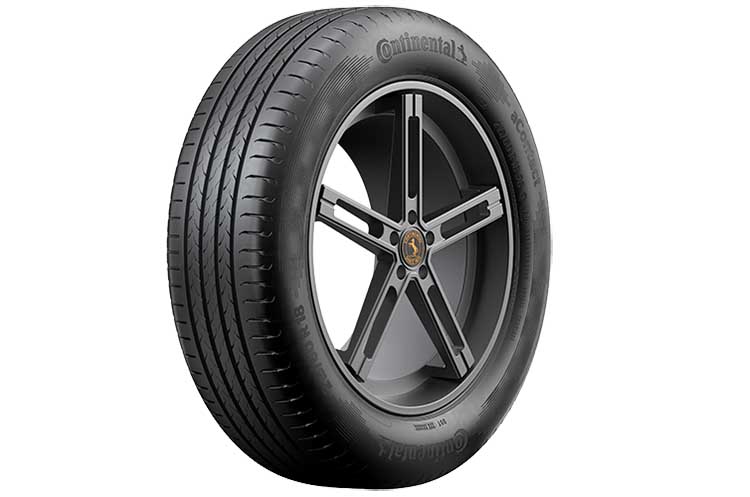
Continental adds that over the years, the company has studied innovative types of vehicles, from ultra-light cars with alternative powertrains to vehicles with autopilot, and the requirements they impose on tires. "When a car is controlled by AI algorithms, not a person, it changes its behavior on the road," the company notes. "Autonomous vehicles, for example, usually move at lower speeds, which means that tires on robotaxis often have to work for longer periods of time."
In major automotive markets such as China and North America, autonomous transportation has become a reality in recent years, and in cities like Shanghai or Beijing, San Francisco or Los Angeles, residents are already accustomed to using robotic taxis, and many companies, from young startups to well-known automakers, are actively developing technologies for this emerging segment.
Continental intends to supply aContact tires to several customers whose fleets use or will use autonomous vehicles, and the company says that depending on the application, the requirements for tire specifications will change. Safety will always be the top priority, which means that special attention will always be paid to ensuring high braking efficiency and optimal handling, including on wet roads, but otherwise, the requirements for tires can vary significantly. Tires, for example, can be operated in intense city traffic or during passenger transportation at the airport along a clearly defined route, and all factors will be taken into account, and Continental will adjust the characteristics of the rubber compounds and tread pattern accordingly, thanks to which customers will be able to order aContact with an enhanced construction that extends their lifespan or tires with ultra-low rolling resistance. Thus, the novelty has no single tread pattern or specific composition of rubber compounds, and buyers will be able to choose which technologies from the German concern's extensive portfolio to use, including, for example, Run-Flat and Contiseal.
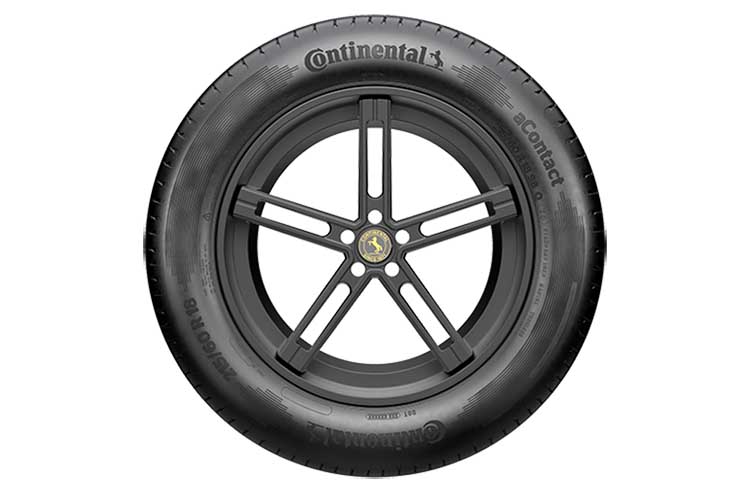
The company notes that tires for autonomous transport are usually relatively narrow and high, as this design improves their aerodynamic properties and reduces rolling resistance, and in addition, tires with a larger outer diameter better withstand loads when used on heavy equipment, which has a positive effect on stability and handling. Moreover, to improve acoustic comfort, the developers paid great attention to reducing rolling noise.
"Continental will continue to develop technologies for autonomous mobility with a focus on improving safety and efficiency," the company says. "Another priority will be meeting customer requirements and adapting tires to specific applications, as well as reducing the environmental impact throughout the product life cycle. That's why Continental is constantly investing in the development of innovative materials and technologies, as well as in production processes that ensure resource conservation."