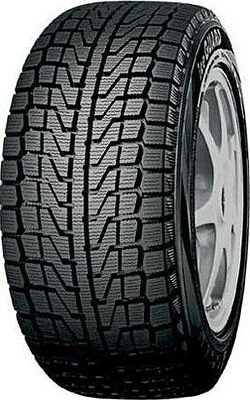
The key feature of the Yokohama Ice Guard IG721 winter tire is that during its development, Japanese tire makers attempted to use solutions borrowed from both "friction" models and so-called "stickers". The result was quite successful, as this model is characterized by excellent grip on any winter roads.
Porous compound structure
The so-called "stickers" shared with this tire a compound with a porous structure. The tread contains many microscopic pores that, when in contact with an icy road surface, literally dry it out, providing more reliable grip with it.
Several thousand lamellas
In turn, the "friction" models "borrowed" 3D lamellas. During movement, they form several thousand additional grip edges, which, as in the previous case, give the tire confident behavior on ice. At the same time, the pyramidal profile of the lamella walls, limiting the mobility of the blocks, improves handling, directional stability, and responsiveness. In this regard, it is impossible not to mention the central tread rib, which also improves these operational characteristics.
N-shaped blocks
Next to the central tread rib are blocks of an original N-shaped design. Due to their configuration, they have a wide range of functions. When moving on rolled snow, they improve longitudinal traction-grip characteristics, and on loose and thawed snow - good resistance to slushplaning. The drainage grooves located between them are arranged at a sharp angle and against the direction of movement.
Main features of Yokohama Ice Guard IG721
- A compound with a porous structure and increased silica content improves grip on icy and wet roads;
- numerous 3D lamellas provide confident behavior on ice and rolled snow, excellent handling on dry roads;
- N-shaped blocks in the center of the tread increase traction-grip characteristics on snow and resistance to slushplaning.
 Enlarge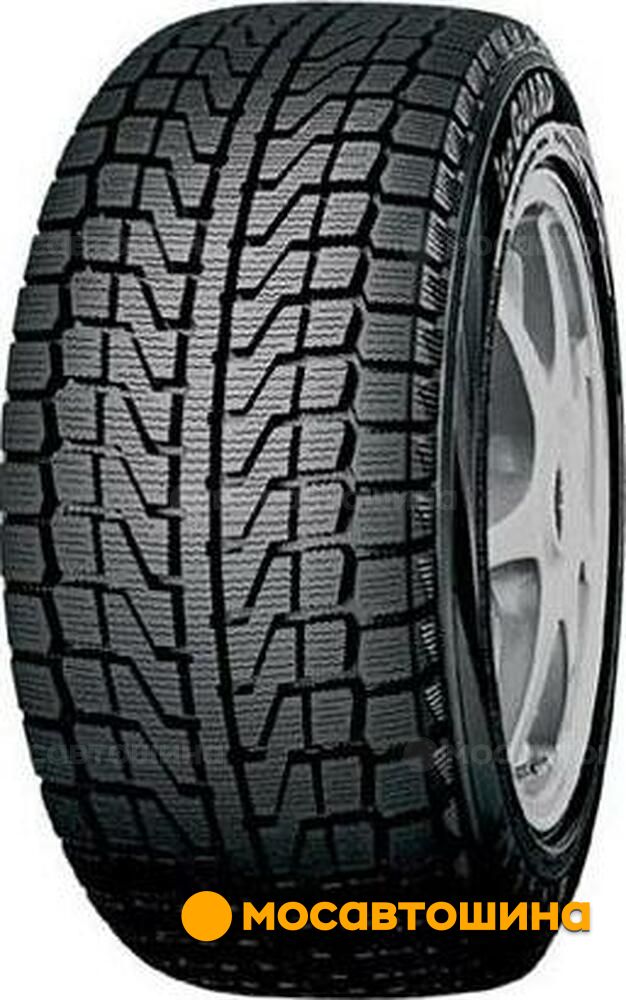
 РОССИЯ