The design of the Rosava BC-24 passenger car tire is largely based on technical solutions developed during the Soviet era. Despite the age of these developments, they give this model universal characteristics that allow it to be operated not only in summer but also in winter. This is also one of the signs of the "Soviet heritage", in which the concept of winter tires is simply absent. At that time, all-season tires were used in the USSR in winter.
Universal Tread
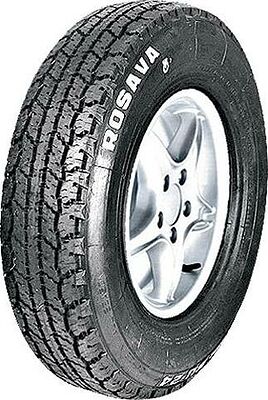
The possibility of operating this model not only in summer but also in winter is largely ensured by a number of features in the design of its tread. The key one is the increased content of gripping edges. Most of them are formed not by blocks, but by lamellas cut into them. At the same time, these tread elements are multifunctional. The gripping edges formed by them on wet roads divert water from the contact patch into one of the nearby drainage grooves, which improves the tread's resistance to aquaplaning.
Another feature of this tread is the wavy shape of the transverse edges of the blocks. This makes them more effective on snow, significantly increasing the tire's grip on such types of coverage. In this regard, it is impossible not to mention the cross-shaped grooves in the shoulder areas. By retaining snow, they improve traction on snowy roads.
Increased Passability
As a "cherry on the cake" in terms of grip on snow, the shoulder areas of this tire's tread come into play. They contain many massive and high blocks, spaced at a significant distance from each other. Such a design significantly improves the tire's passability in deep snow.
Main Features of Rosava BC-24 Tire
- universal characteristics, both on summer and winter coverages, due to the optimized tread pattern design;
- numerous blocks with lamellas cut into them increase the gripping properties on slippery roads;
- improved grip on snow thanks to cross-shaped grooves and massive high blocks in the shoulder areas.
 Enlarge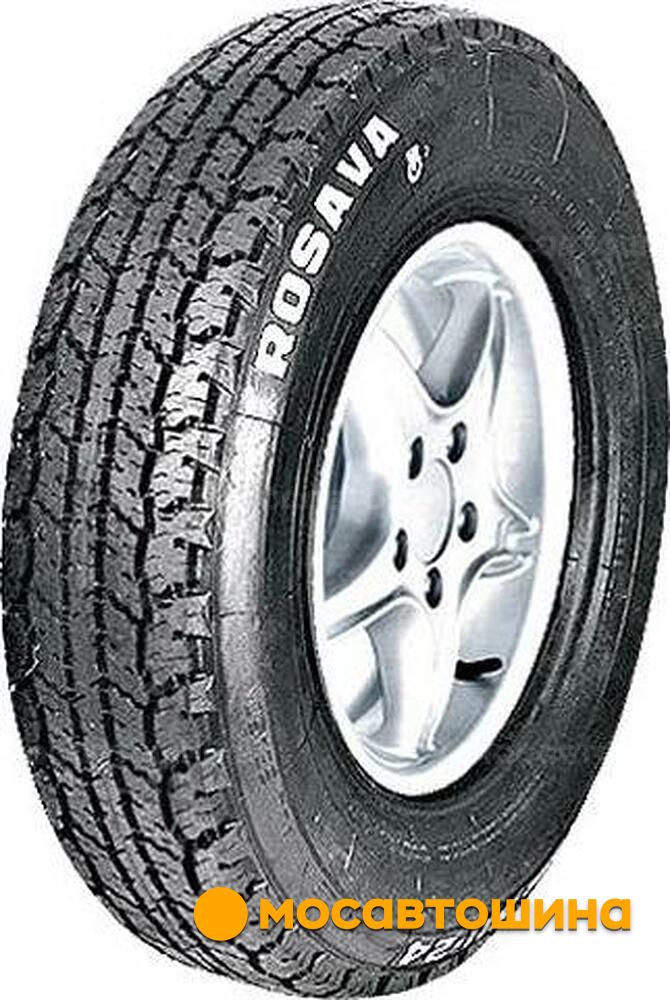
 УКРАИНА