
-
 Enlarge
 Nokian NRZi
Description Nokian NRZi
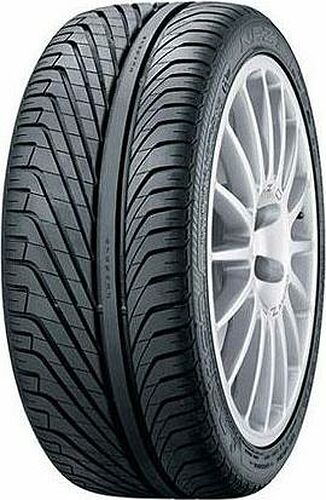
The summer tire Nokian NRZi belongs to the so-called "rain" tires, being designed primarily for dynamic versions of compact and mid-size passenger cars. It is distinguished by improved traction properties on wet surfaces, a sporty character in handling, acoustic comfort, and reduced rolling resistance.
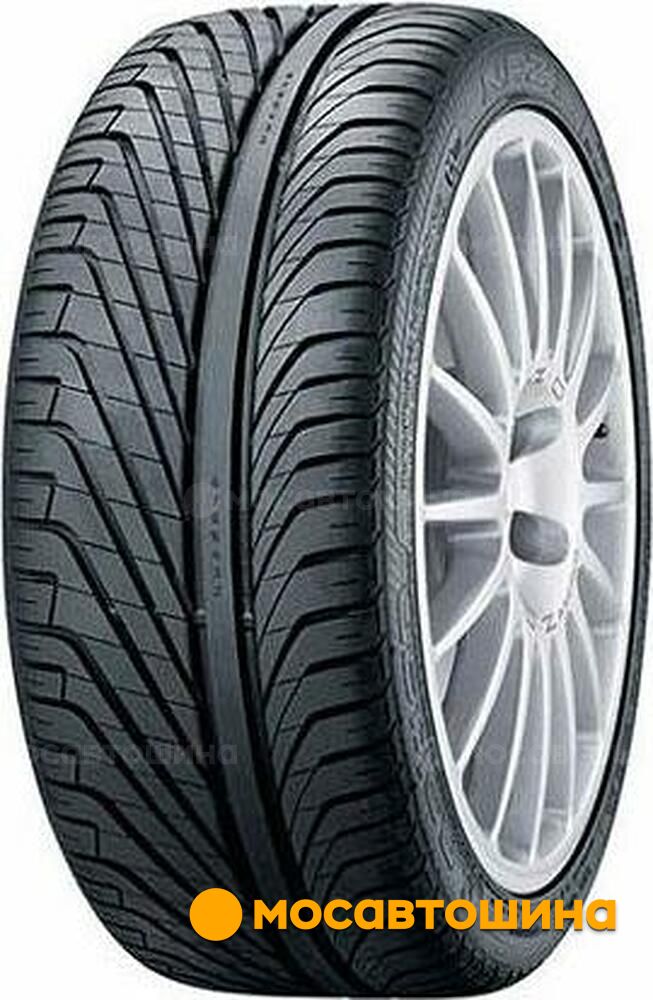
Despite its focus, this model is a versatile tire that is well suited for use on roads with worn-out pavement and urban highways. This is due to the use of the Thermo Silica rubber compound in the manufacturing of the tread. This compound is characterized by a range of "working" temperatures, one of the boundaries of which is around zero degrees Celsius. As a result, the tire's tread retains its performance even in late autumn frosts, ensuring reliable handling in such conditions. An important feature of the tire is the presence of an asymmetrical directional tread pattern. It is distinguished by the presence of a wide solid longitudinal rib, strongly shifted to the outer part of the tread. It increases the tire's performance during straight-line driving, maintaining its high performance on wet surfaces due to the presence of increased longitudinal grooves on both sides of the rib, which intensively drain almost any amount of water. From them, numerous drainage elements diverge, using the rotation of the wheel to increase the speed of the water flow. It is worth noting the use of several indicators on the tire. One of them is located on the sidewall, displaying the tire's temperature using shades of green, which becomes darker as the road surface cools. Another indicator is applied to the solid longitudinal rib, representing the remaining tread depth, which is displayed by a number, allowing for easy determination of the need to replace the tire.
Key features of Nokian NRZi:
- Thermo Silica rubber compound enhances traction properties on wet surfaces, maintaining them at high levels even at temperatures around zero degrees Celsius;
- the solid longitudinal rib shifted to the outer side of the tread provides precise handling and course stability at high speeds;
- a large number of directional drainage grooves minimizes the risk of hydroplaning;
- indicators of tire temperature and its remaining resource provide the ability to promptly determine the functionality of the tire and its ability to ensure traffic safety.