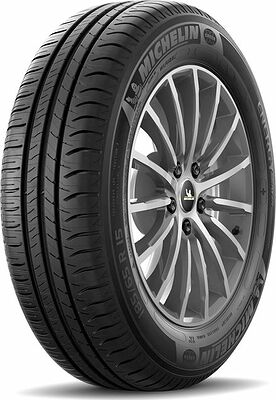
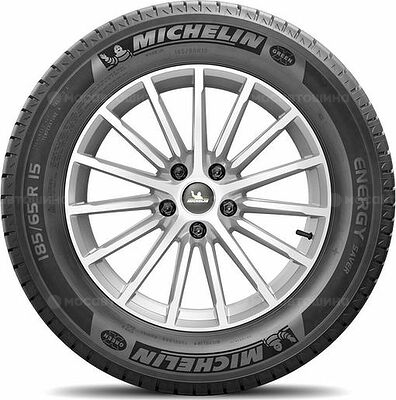
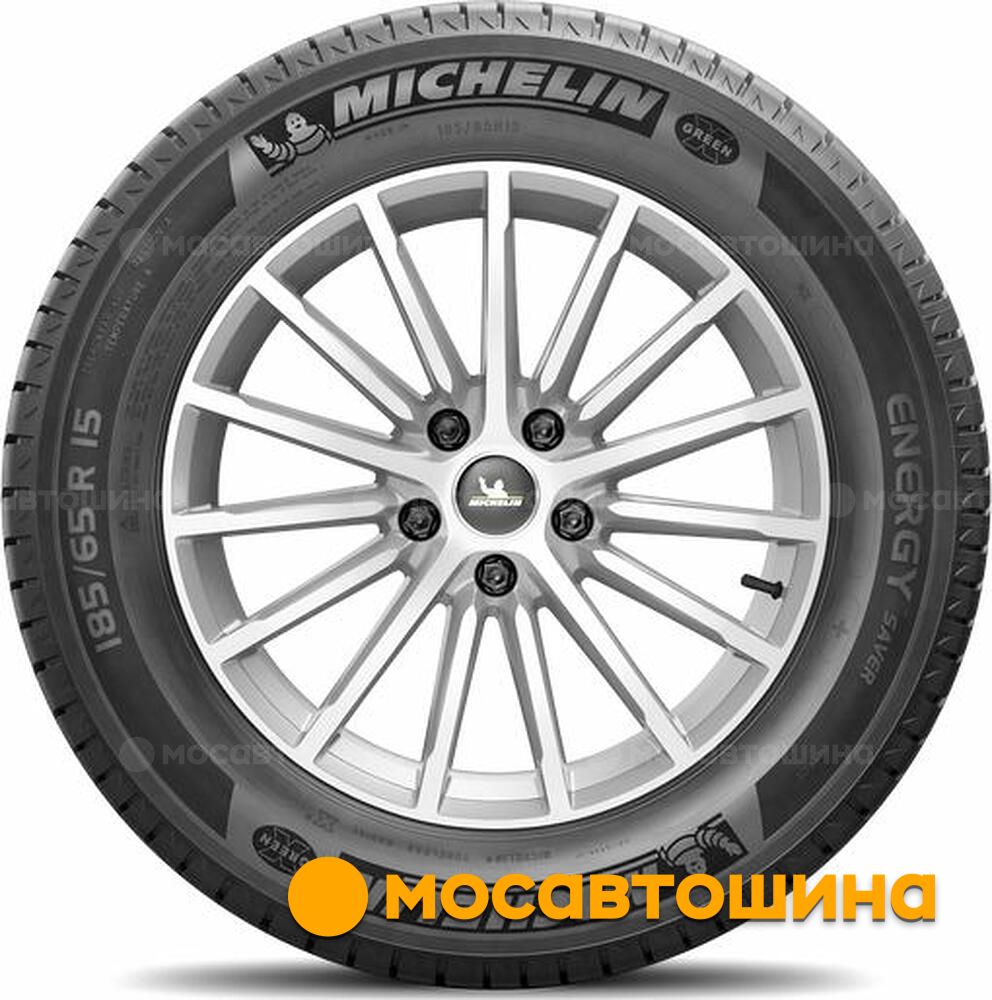
The Michelin Energy Saver+ summer tire is one of the new products on the domestic market. The novelty, in essence, is a representative of the new, already fifth in a row, generation of this family of tires, the first of which appeared back in 1992. This model is offered by the French tire giant in almost 60 sizes with a wheel mounting diameter from 14 to 16 inches. Such a variety speaks of the excellent applicability of this tire to the absolute majority of passenger cars of the small and medium classes. In addition, the novelty has quite high speed indices - T, H and V, which is evidence of its remarkable technical characteristics.
EcoGrip rubber compound
When developing this model, French tire makers were able to find ways to further increase energy efficiency. This time, particular attention was paid to reducing the degree of heating of the tire during movement. Reduced heat emission was achieved thanks to the new EcoGrip rubber compound. Its effectiveness was so high that the French manufacturer preferred to obtain a patent not only for its composition but also for the preparation technology. The practical result of reducing the tire temperature during movement was an increased service life, as well as reduced rolling resistance, which, in turn, led to a significant reduction in fuel consumption. The latter factor is a hallmark of the entire line of "green" tires from this manufacturer.
Additional breaker layer
The new Michelin Energy Saver+ model differs from the previous generation tire in that it has a 10% larger contact patch area. Such indicators were achieved thanks to the addition of an additional breaker layer, which not only expanded the contact patch but also gave it a more rectangular shape, which, due to increased stiffness, remains stable under any driving conditions. The practical result of this was a significantly improved handling, which has become stable and predictable. In addition, due to the fact that the tread has become even more rigid, the company's specialists were able to further reduce rolling resistance.
Optimized tread pattern
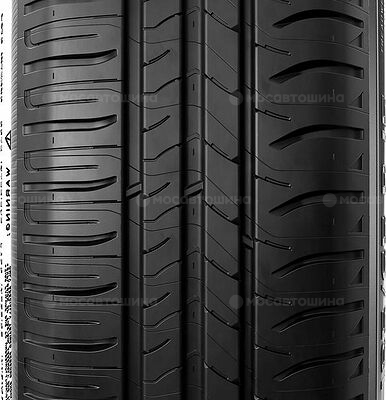
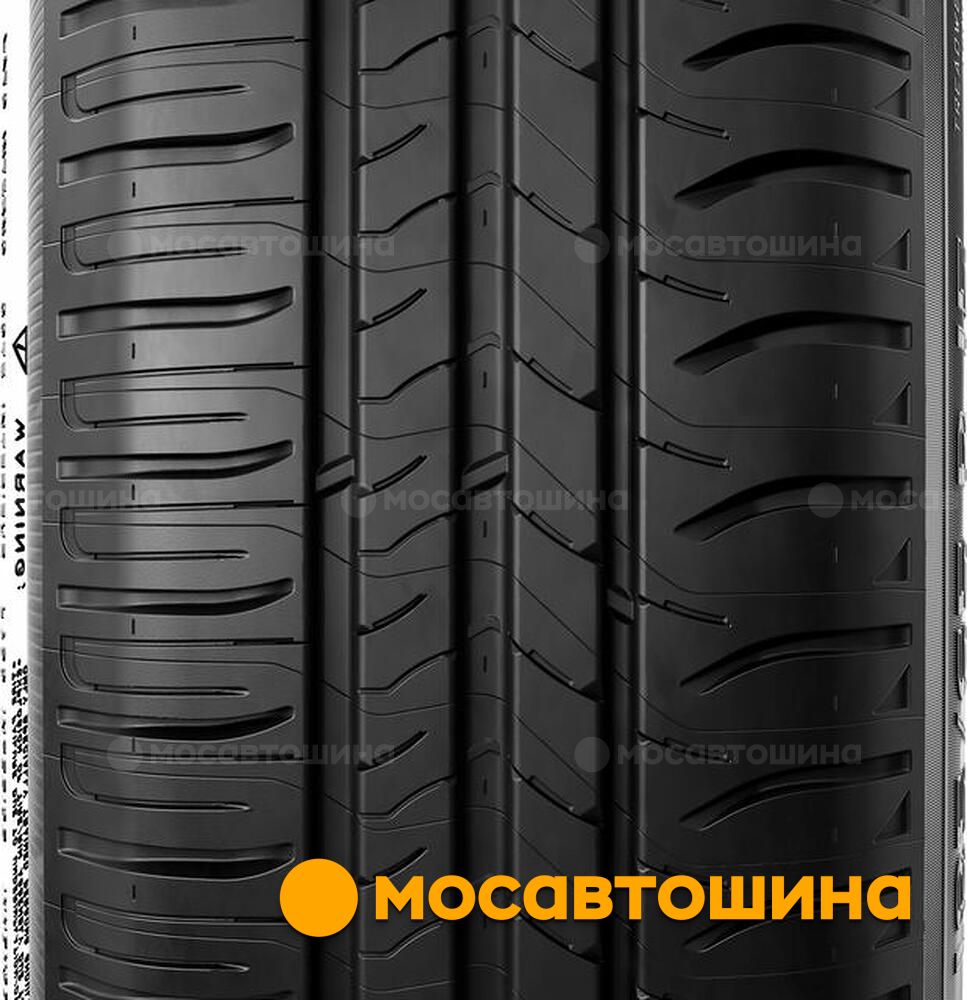
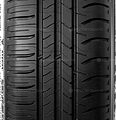
The asymmetric directional tread pattern only at first glance resembles the tread pattern of the previous generation tire. The main changes are associated with a significantly expanded profile, which made it possible to increase the size of all main tread elements. The two central longitudinal ribs have increased in size especially, which further increased their stiffness. As a result, the tire has become much more responsive to steering wheel movement, giving the handling a practically sporty precision.
As for the shoulder areas of the tread, they, like the predecessor, are divided into separate blocks by transverse drainage channels. The key feature of the shoulder area design of the Michelin Energy Saver+ tire is an increased number of blocks. This made it possible to form additional edges of adhesion, which had a beneficial effect on the effectiveness of braking, especially on a wet surface.
The increase in the number of blocks in the shoulder areas of the tread significantly improved the performance of the drainage system, which received additional transverse channels. At the same time, their elliptical shape reduces the likelihood of the formation of water whirlpools, which increases the speed of removal of excess moisture from the contact patch. Ultimately, this made it possible to significantly increase the tire's resistance to aquaplaning, bringing it closer to the indicators of the best road models.
Main features of the Michelin Energy Saver+ tire
- Excellent characteristics according to the new European tire quality assessment system are provided by the optimized design;
- An increased contact patch area, thanks to the additional breaker layer, provides more reliable adhesion, and due to the stability of the shape, reliable and predictable behavior under any conditions;
- Exceptionally low rolling resistance, due to the reduced heating of the tire during movement;
- The new EcoGrip rubber compound made it possible not only to reduce fuel consumption but also to provide adhesion characteristics at the level of conventional tires, both on dry and wet roads;
- Excellent resistance to aquaplaning for this category, due to the increased performance of the drainage system;
- Shoulder areas of the tread with an increased number of tread blocks, compared to the previous generation, significantly reduce the braking distance, especially on a wet surface;
- Increased wear resistance, due to the addition of special components to the rubber compound, which significantly reduced the abrasive effect of the road surface.
 Enlarge
  Enlarge
  Enlarge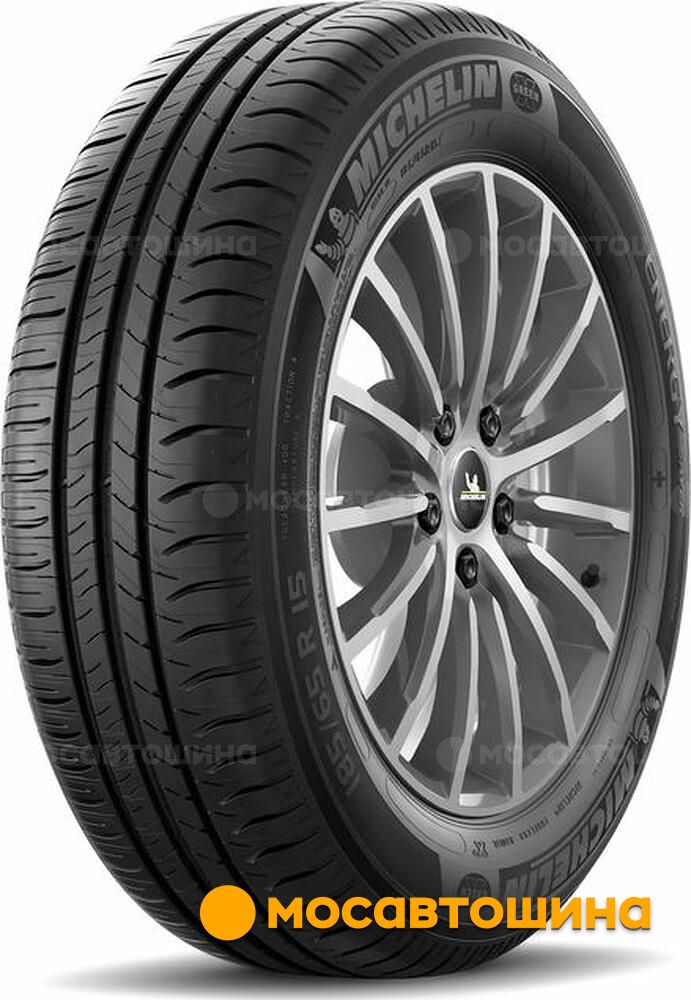
 РОССИЯ