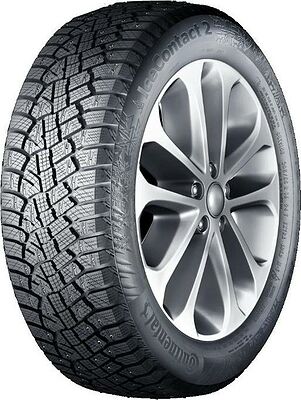
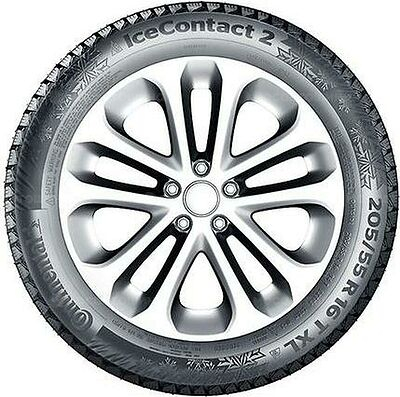
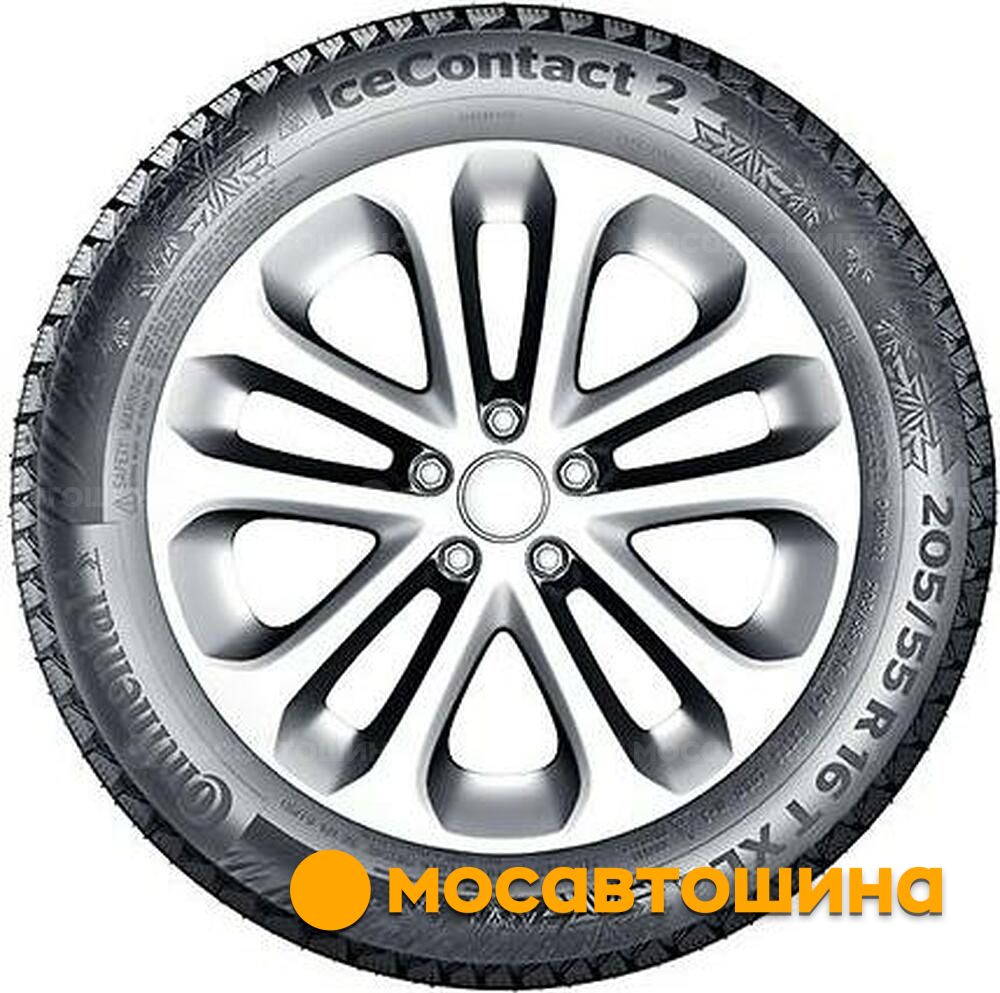
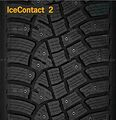
The winter studded tire Continental ContiIceContact 2 SUV was developed based on the recently introduced same-name model for passenger cars. This novelty is designed for crossovers and SUVs, differing from the "original" with a reinforced frame, breaker, and sidewalls. In other respects, both of the latest developments of the German tire giant are practically identical, as are the priorities in sales markets. These include the countries of Northern Europe, Scandinavia, and Russia, where the production of the most popular tire sizes among our compatriots is planned to be established.
New studding system
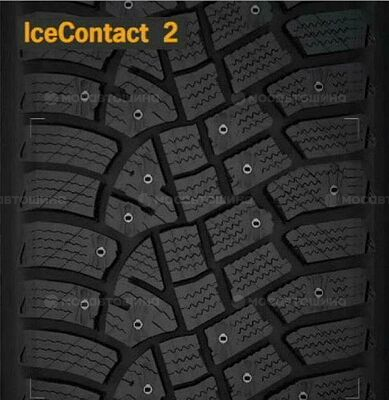
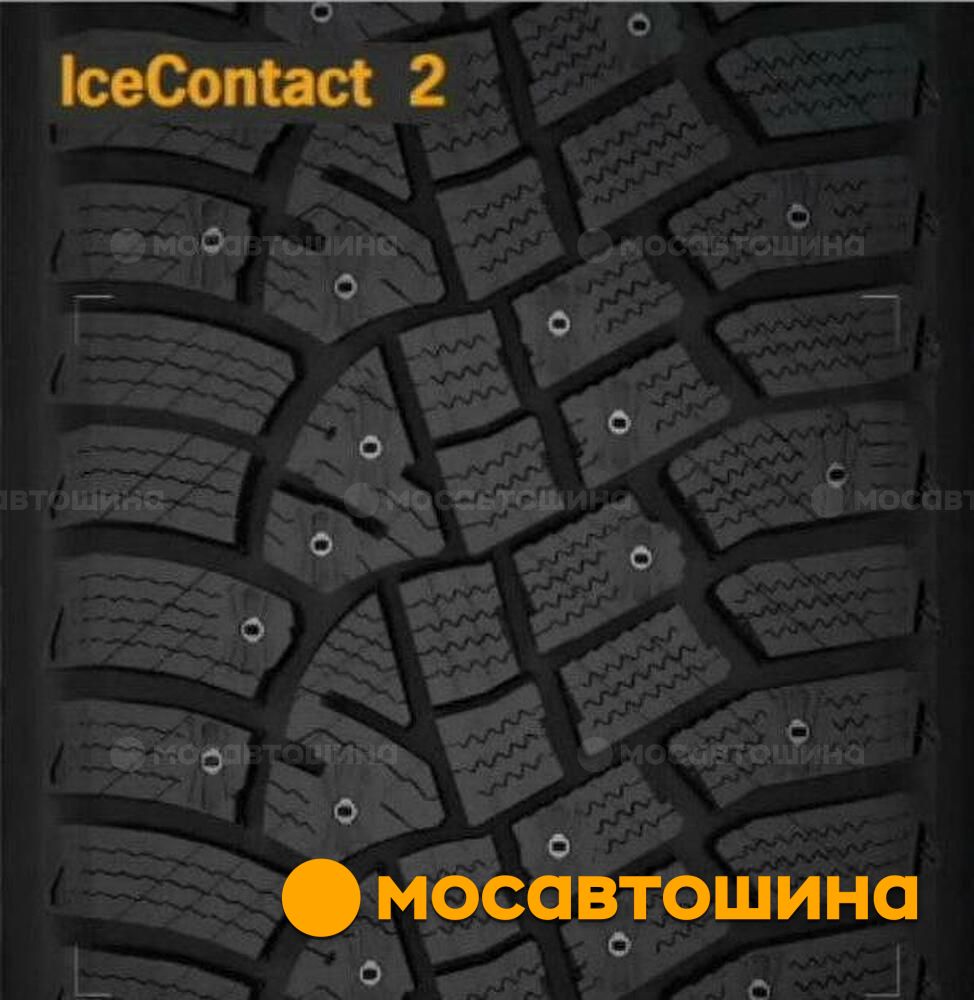
One of the key innovations of this model, distinguishing it from the previous generation tire, is the modified studding system. The scale of modernization was so great that it received its own name - Kristall Stud. The studs installed on this tire are characterized by a quarter less weight of the hard alloy insert, as well as a large number - some sizes have half as many more than the previous model.
In addition, the scheme for arranging the studs on the tread has changed. They are distributed in such a way that the maximum number of them is in contact with the surface of the icy road at the same time. At the same time, there are special grooves at the points of their installation, the shape of which contributes to the crushing and removal of ice chips from the area of contact between the stud and the road surface.
When developing the studding system of this model, a number of solutions that have proven themselves well in the previous generation Continental ContiIceContact 2 SUV tire were used. First of all, this is a multi-faceted, elongated across the movement, stud shape. This significantly improves the longitudinal grip characteristics on ice and rolled snow. In addition, the German tire makers preferred not to abandon the technology of fixing the studs using a special adhesive compound. Its new version allows these steel elements to remain in the tread when loaded up to fifty kilograms.
Updated asymmetric tread pattern
The tread pattern has changed significantly compared to the previous model, still featuring a directional asymmetric design. Another "borrowing" from the predecessor is its division into two functional zones. As before, its outer side improves the stability and traction of the tire during maneuvering and cornering, and the inner side, in turn, ensures stable traction characteristics in the longitudinal direction.
The differences in functional capabilities are due to the differences in design. In particular, the outer part of the tread features larger tread blocks with several differently directed lamellas. The three-dimensional structure of their walls allows these miniature elements not only to be fixed in the open position when in contact with the road but also to increase the stiffness of the blocks, limiting their mobility under load. As a result, not only the traction on very slippery surfaces is improved, but also the stability of the tire during maneuvering. As for the inner side of the tread, it has a much larger number of traction edges. Their number has been increased due to the reduction in block sizes and the use of a composite structure of these elements.
Cross-shaped drainage grooves on the edges of the tread
Individual elements of the tread pattern's drainage system have an extended functionality due to a number of their original design features. One of them is the numerous cross-shaped grooves located on the edges of the tread. In addition to their main "duties" of cleaning the contact patch, they improve traction on snowy roads. This function is performed by their ability to hold snow in the tread, creating a so-called "wafer effect". Due to the increased friction force (snow on snow), traction on snowy roads is additionally improved.
Another such multi-functional element is the transverse drainage grooves located between the blocks at the very edge of the tread. They are characterized by a significant width and depth, which allows the tire to demonstrate more confident behavior on uncleared snow-covered roads.
Main features of the Continental ContiIceContact 2 SUV tire
- Increased load-carrying capacity of the frame, breaker, and sidewalls provides the tire with increased load capacity and the ability to withstand increased load during the entire service life;
- studs that are more than a quarter lighter, their increased number, and an optimized arrangement scheme on the tread provide the tire with significantly improved traction on icy surfaces;
- special drainage grooves in the areas of stud installation contribute to more intensive removal of ice chips from the area of their contact with the road surface;
- numerous lamellas with a three-dimensional structure of the walls improve not only the traction characteristics on ice and rolled snow but also the handling on other types of hard and smooth surfaces;
- an asymmetric tread, the outer side of which improves stability during maneuvering, and the inner side - longitudinal traction characteristics, provides the tire with excellent performance in any road conditions;
- cross-shaped grooves in the shoulder areas of the tread improve traction properties on snow, and transverse grooves between the blocks - give the tire confident behavior when driving on uncleared roads.
 Enlarge
  Enlarge
  Enlarge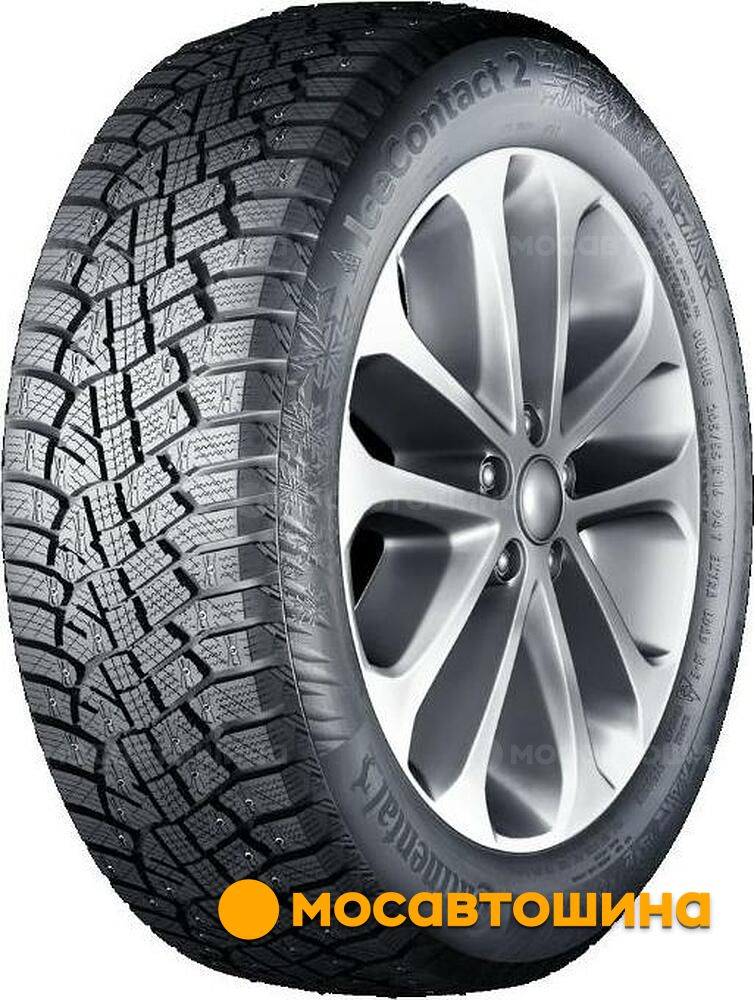
 РОССИЯ