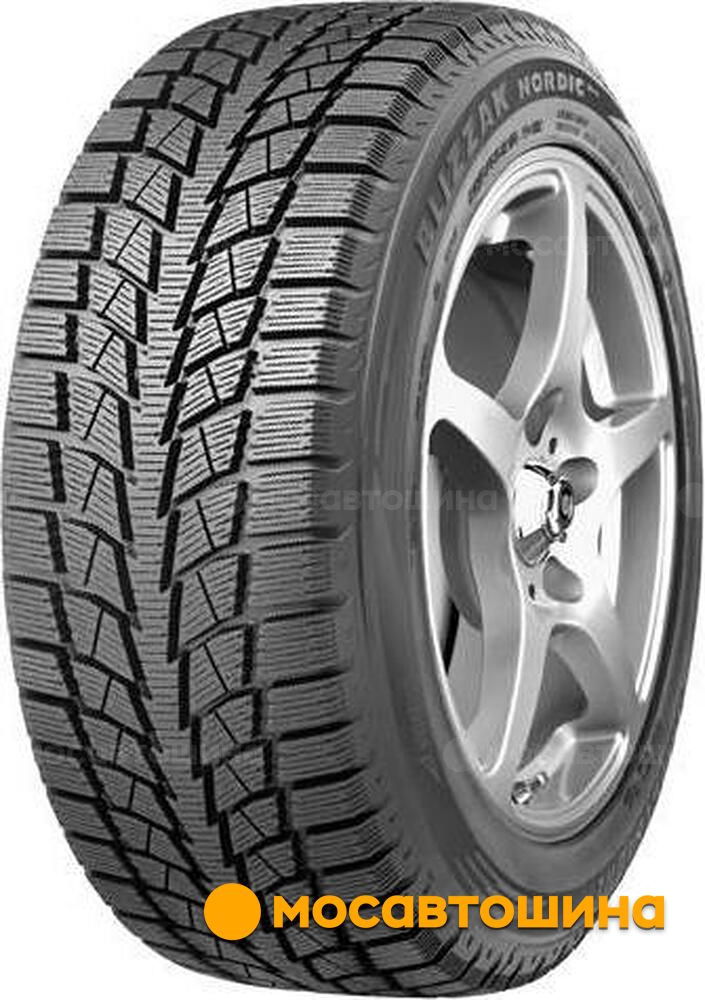
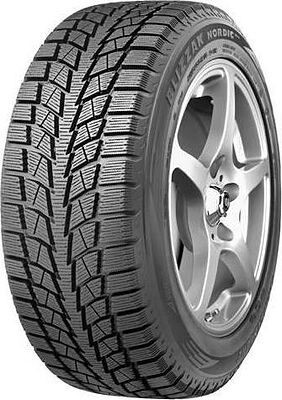
The Bridgestone Blizzak Nordic non-studded winter tire was specifically designed for use in the harsh climate conditions of Northern Europe. This model is intended for a wide range of passenger cars with wheel diameters from 13 to 17 inches. The entire lineup of this tire includes more than two dozen sizes.
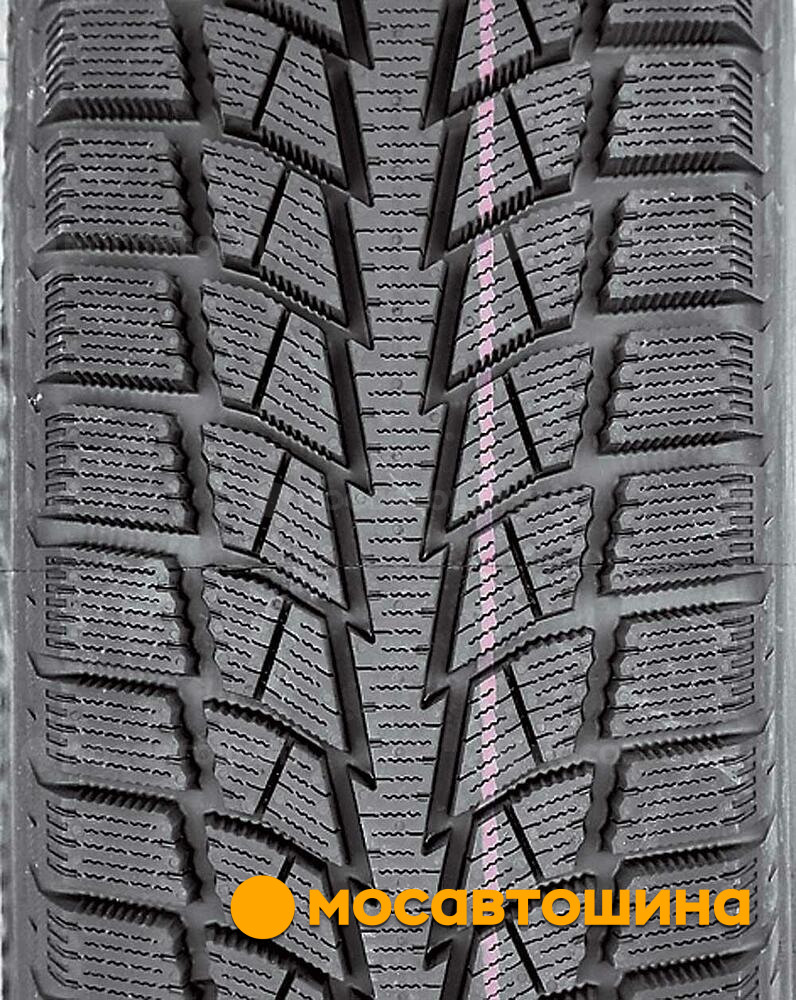
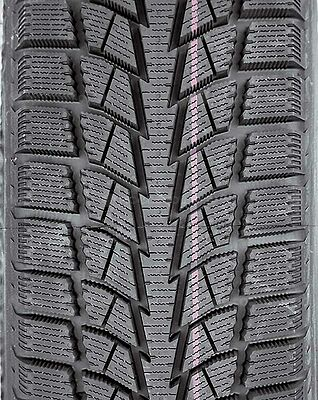
Japanese tire manufacturers have equipped this winter model with a V-shaped symmetrical directional tread pattern, which was developed with the help of computer modeling. One of the results was the effective removal of the water film from the contact patch, which forms when driving on ice. To do this, the patented Multicell Compound technology was used, which implies a porous structure of the tire tread. This tread works like a sponge when driving on ice, absorbing water from the contact patch.
Another technological innovation applied to this tire was the use of so-called "3D-lamellas". Due to the special structure of the lamellas, the shape of the tread blocks remains stable at the moment of contact with the road surface, which ensures a more even distribution of load across the contact patch. This made it possible to significantly improve the main operational qualities of the tire.
To improve handling on snowy roads, the tread of the Bridgestone Blizzak Nordic tire is equipped with blocks with three-dimensional edges. Due to the special structure, the blocks effectively penetrate deep into the snow cover, providing more reliable and stable traction when driving on snow.
When developing this model, the manufacturer provided for operation during thaws, which are characteristic of the climate of Northern Europe. In such conditions, the ability of the tire to effectively resist aquaplaning plays a major role in ensuring driving safety.
It was for this purpose that another development of the Japanese-American tire corporation, the Uni Directional technology, was used. The tire tread created in accordance with this technology has enhanced water-repelling properties.
In addition, the Super Slant technology also contributes to reducing the risk of aquaplaning. The tread of this tire is equipped with drainage grooves that are located at a significant angle relative to the direction of movement. This technical solution made it possible to significantly improve the efficiency of the tire's drainage system.
The rubber compound is one of the main components of any tire. Its composition was developed with regard to the operation of the tire in winter. To preserve elasticity at negative temperatures, a special component "Silica" - silicon dioxide - was introduced into its composition. In addition to elasticity, this component significantly improved the tire's resistance to wear, which increased its service life.
When developing this model, the Japanese company paid special attention to the strength and durability of the tire carcass. For this purpose, several innovative solutions were also used. In particular, the tire carcass received a nylon cord that was wound using the Jointless technology, which implies only seamless connection. This made it possible to ensure high strength while maintaining excellent elasticity. Another innovation of the tire carcass was a special insert made of soft rubber Absorb, which is located between the tread and the rigid breaker layer. This provides softness and comfort of movement.
Main features of Bridgestone Blizzak Nordic
- The V-shaped design of the symmetrical directional tread pattern, developed with the help of computer modeling, provides excellent traction in any conditions;
- Innovative porous tread structure in combination with numerous lamellas made it possible to do without studs;
- High resistance to aquaplaning due to the special structure of the drainage system, which has high efficiency;
- Excellent elasticity and excellent resistance to wear, thanks to the inclusion of silicon-containing components in the rubber compound;
- The high-strength carcass has excellent elasticity due to the nylon cord wound using seamless technology.
 Enlarge
  Enlarge