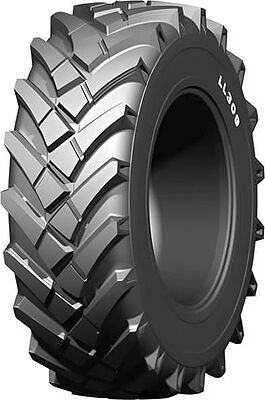
Tyre LingLong LL309 — a high-tech component of the chassis system, designed for cyclic loads with a variable force vector. This model is created for tractors, loaders, and other special equipment. Unlike universal tyres, it is initially calibrated for the specifics of heavy work.
Armour inside
The basis of the model's durability is a multi-layered breaker-carcass package assembled from steel cord threads of increased cross-section. This is not just reinforcement, but a thought-out power scheme, where each layer works to perceive tensile and compressive stresses. Engineers applied the technology of dense cord laying with a variable step here, which allows distributing point impact impulses over a larger area of the sidewall. As a result:
- resistance to punctures increases;
- stability against smearing during lateral tilts increases;
- the tyre's load-carrying capacity is taken to a new level.
Tread pattern geometry
The outer tread layer is made according to an open design, where massive blocks with elongated walls having a bend play a key role. The curved profile of each block acts as a multiplier of traction force, providing effective self-deepening. At the same time, significant inter-block gaps perform the role of evacuation channels. Thanks to their volume and configuration, the tread actively self-cleans from adhered mass, preventing "clogging".
Key features of LingLong LL309:
- the reinforced multi-layered steel cord with threads of increased cross-section guarantees stability against punctures and tears, and also allows withstanding significant lateral deformations;
- the tread pattern with elongated curved walls of blocks and wide evacuation channels provides reliable grip on sand, gravel, and wet soil;
- the developed working surface and deep tread depth in combination with an abrasion-resistant compound significantly slow down the wear process.
 Enlarge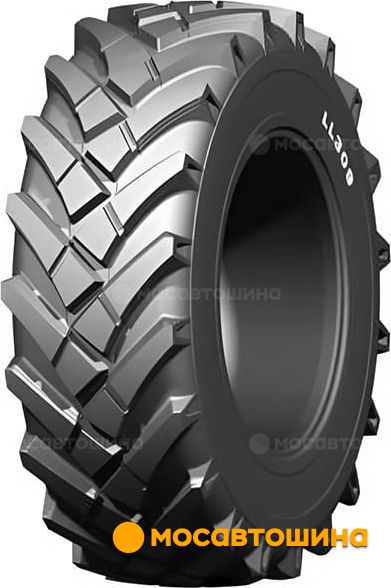
 КИТАЙ
КИТАЙ