Looking for a bearing tire that won't let you down in the midst of a struggle on a parched field or when driving equipment over complex terrain? The Bel-340 model from "Belshina" is designed specifically for this purpose. This is a specialized solution for the leading and bearing axles of modern combine harvesters, tractors, and seeders, where stability, self-cleaning, and unprecedented traction come to the fore. It differs from standard tires with an engineering approach focused on real tasks of the agro-industry: minimizing wheel slip, withstanding colossal loads, and working for more than one season without losing characteristics.
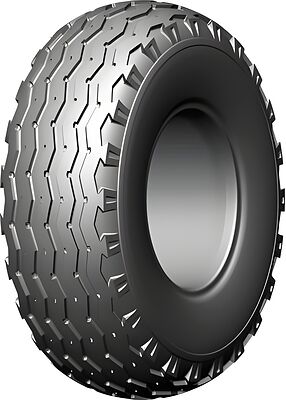
A specially designed tread pattern with high massive blocks and powerful lugs solves two critically important tasks:
- deep grip — the tire confidently "bites" into wet soil, loam, and sand, providing the equipment with the necessary traction and reducing losses from wheel slip;
- effective self-cleaning — the wide tread and shape of the tread elements prevent clogging and clogging with soil, maintaining constant grip efficiency.
The model is produced using a reinforced carcass and high-strength rubber compound, which provides increased resistance to cuts and abrasion from stubble, stones, and abrasive soils. As well as resistance to deformation under high static and dynamic loads from a grain-filled bunker.
Main features of Belshina Bel-340:
- minimizing downtime due to wheel slip even in difficult weather conditions due to a special carcass that withstands regular intense operation;
- optimal load distribution: provides a stable contact patch, contributing to smooth running and preservation of the working resource of the equipment's chassis;
- ideal for installation on bearing and driving wheels of combine harvesters, tractors of 3-4 traction classes, seeders, and other agricultural machines operating in dense, wet, and loose soils.
 Enlarge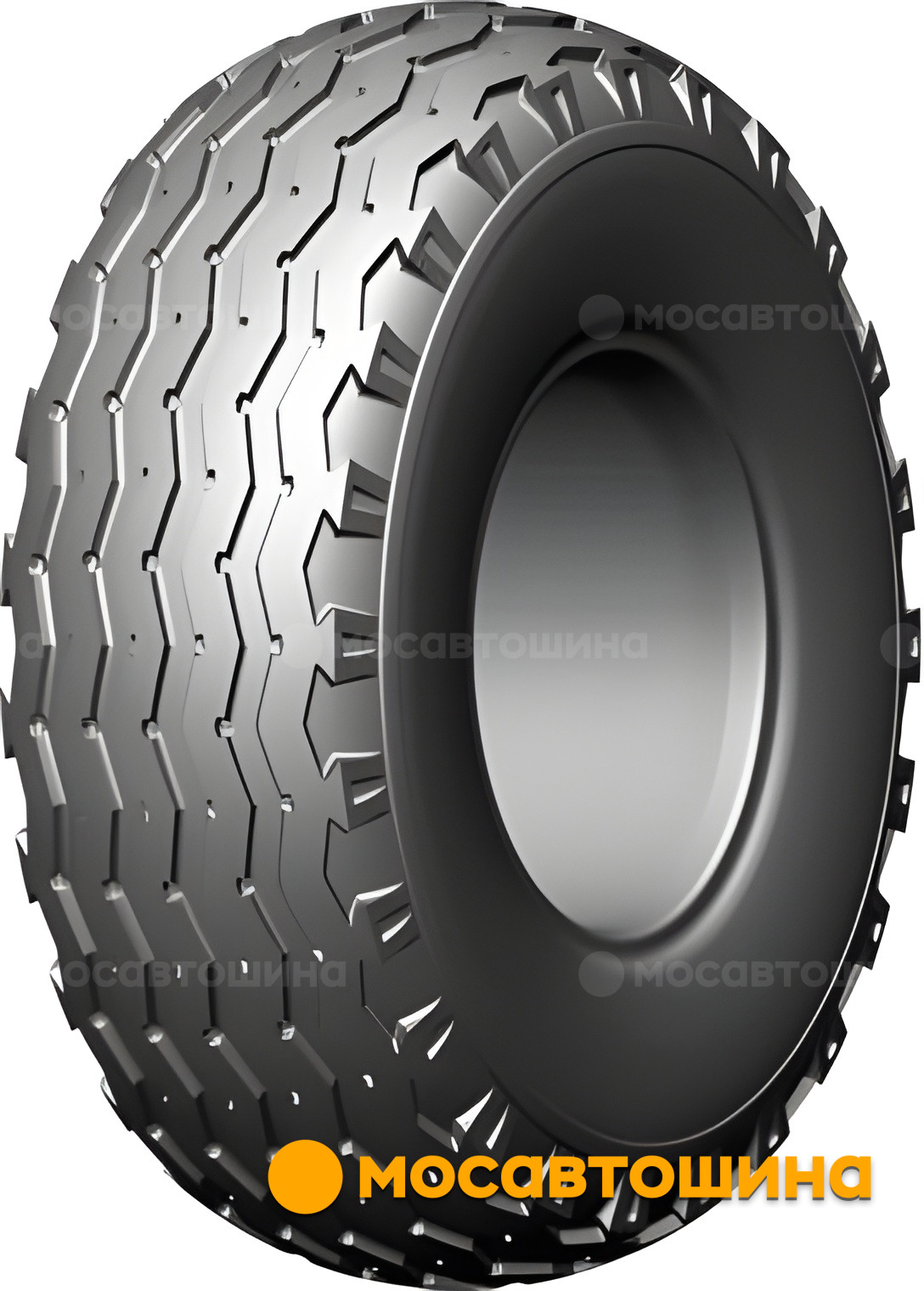
 BELARUS
Approximate calculation.
Credit amount from 2 000 to 300 000 rubles.
Initial payment from 0% to 90%.
Loan term from 3 to 36 months.
The interest rate is calculated individually.
Read more