The WestLake CR966 truck tire is designed for installation on the steering and driving axles of both trucks and buses. The size range of this model includes 9 sizes for wheels with a rim diameter of 22.5 inches. I.e. it is mainly addressed to owners of trucks and buses operated in interregional and international traffic.
Highly efficient tread pattern
One of the key features of the tread pattern of this tire is the presence of five longitudinal ribs - three in the central part and two in the shoulder zones. This tread structure provides excellent directional stability and very low rolling resistance. The latter circumstance explains the excellent fuel efficiency demonstrated by this tire.
The longitudinal ribs located in the central part of the WestLake CR966 tread are represented by three rows of massive quadrangular blocks. These tread elements provide a contact patch with numerous edges of adhesion, which led to an increase in traction characteristics, especially on wet surfaces.
As mentioned earlier, the shoulder zones of the tread also feature two longitudinal ribs. But unlike the tread elements located in the central part, they do not have any breaks throughout their length. This design is characterized by very high stiffness, which has a beneficial effect not so much on stability when cornering, but on the even distribution of external pressure over the contact patch. This solution predetermined the excellent resistance of the tread to uneven wear, and therefore increased the service life of the entire tire.
Main features of WestLake CR966
- symmetrical non-directional tread pattern consisting of five longitudinal ribs provides excellent directional stability;
- the solid construction of the shoulder zones of the tread allows for a more even distribution of external pressure over the contact patch, thereby reducing the likelihood of uneven wear;
- wide longitudinal drainage grooves provide not only excellent resistance to aquaplaning, but also contribute to more efficient heat dissipation from the tread, preventing its overheating.
 Enlarge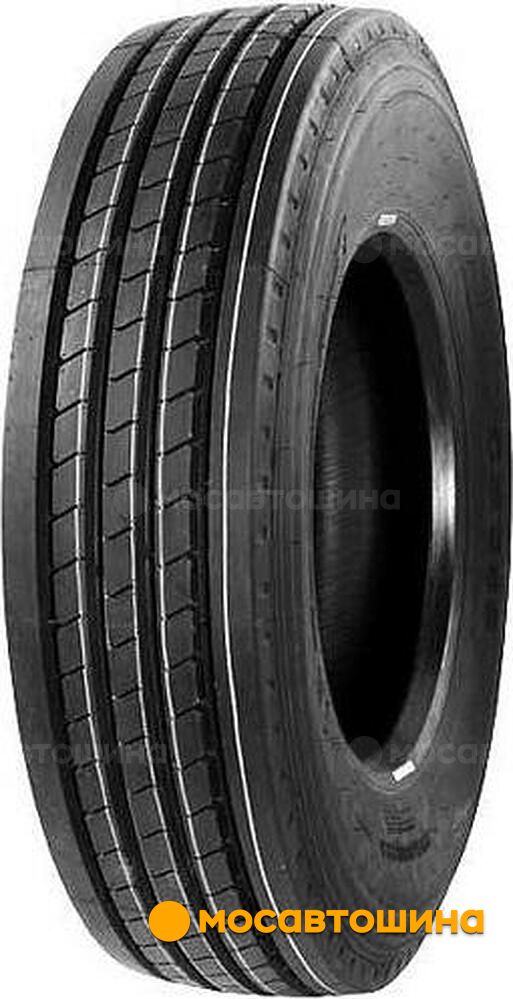
 ТАИЛАНД