
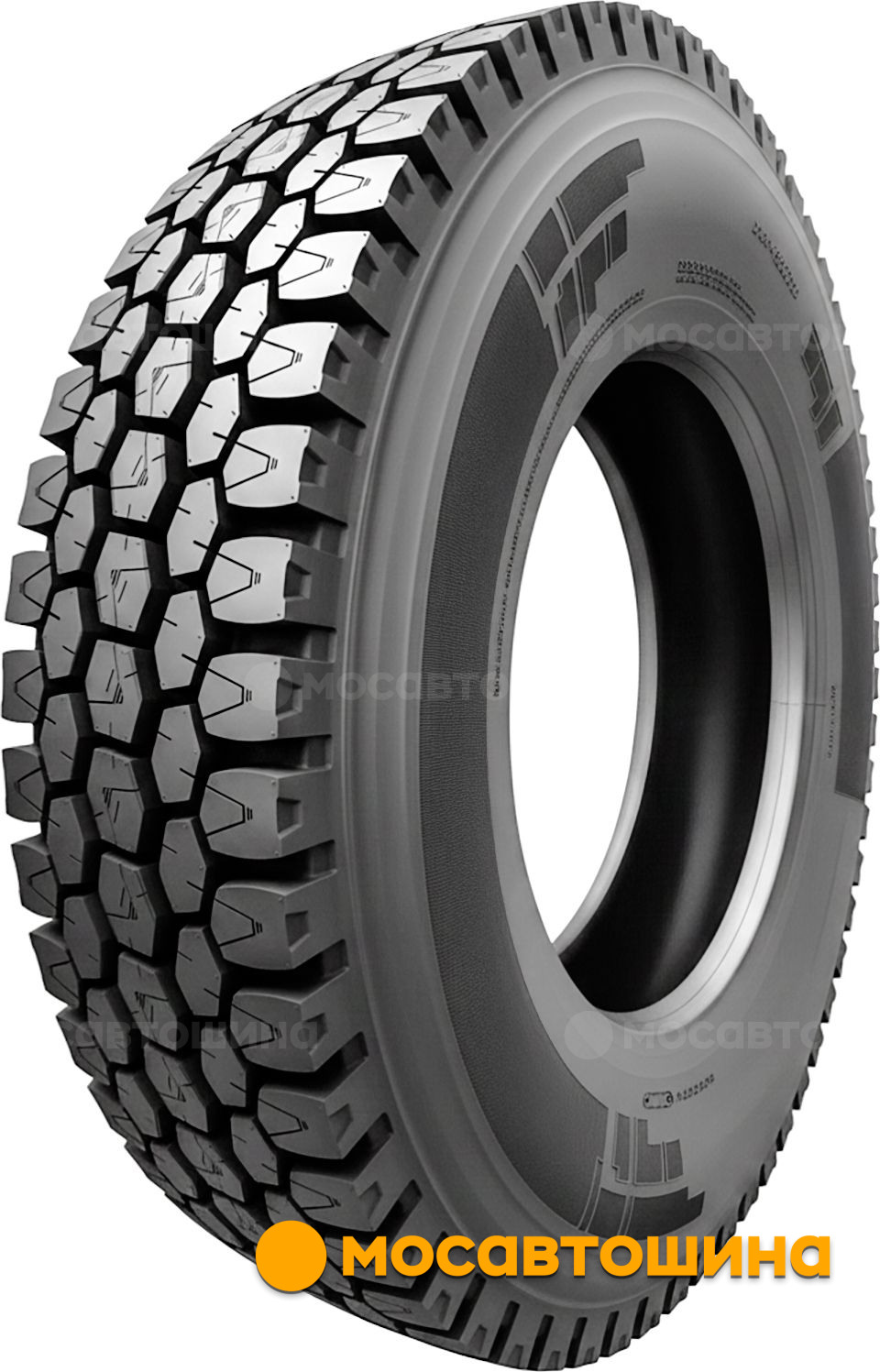

Description Lanvigator DV302
Model Lanvigator DV302 — an active element of the chassis, capable of withstanding peak loads on complex road surfaces. This is a commercial tyre of a new generation, oriented towards owners of tractors and semi-trailers operating in a mixed "region-highway" cycle.
Reserve of strength
The 16PR layering index — a multiple margin of strength built into the design. In the conditions of Russian realities, where the quality of the road surface varies from ideal asphalt to gravel shoulders, the carcass with a double reserve of strength guarantees the preservation of the tyre's geometry. The sidewall and breaker belt have been strengthened in the design to minimize the risk of diagonal tears when driving over sharp objects.
Handling
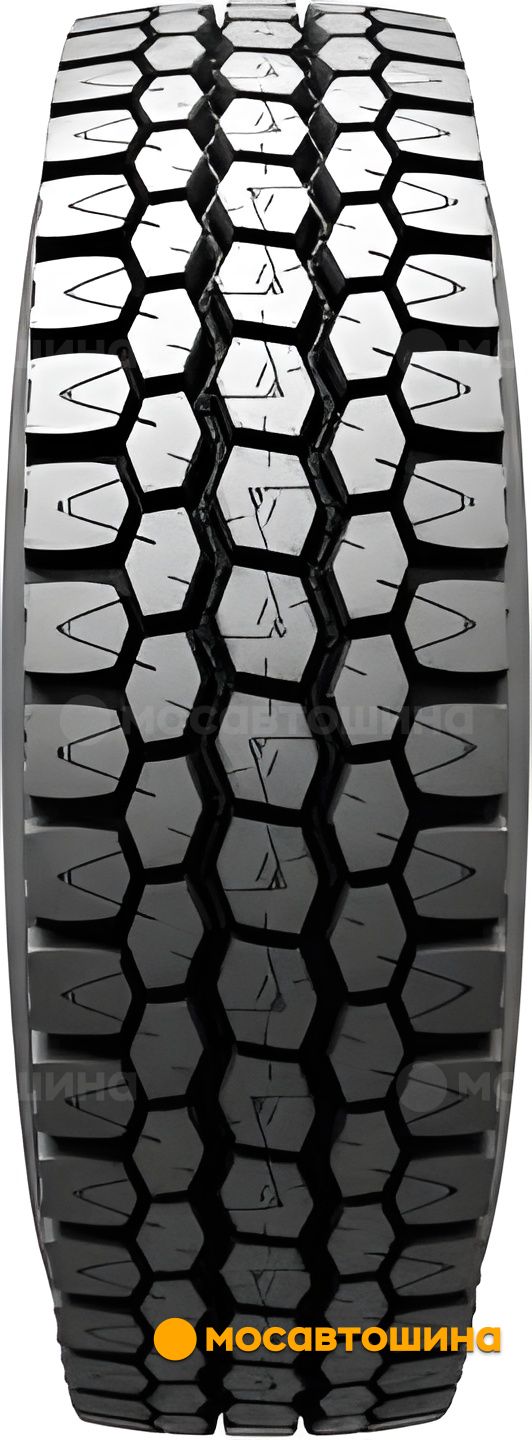
Asymmetric design — a functional necessity. The central segmented rib is rigid, providing directional stability when moving.
The middle and shoulder zones have an aggressive grip (also separately located blocks) and are reinforced with an additional layer of rubber. This prevents the tyre from "eating" the tread edge in turns, evening out wear.
Adaptation
The compound includes silica, which works like a "sponge" at the micro level: it pulls moisture out of the contact patch, providing grip on a wet road. Separately located elements create multiple additional grip edges, reducing the braking distance on wet asphalt. Additionally, the rubber compound remains flexible in freezing temperatures and is also thermally stable enough not to become too soft in extreme summer heat. This is a universal climatic composition for a vehicle fleet operating in different time zones.
Key features of Lanvigator DV302:
- commercial applicability on a wide range of cargo transport;
- the design and special steel breaker provide low heat generation even at high speeds;
- the reinforced shoulder zone prevents the appearance of stepped wear, extending the tread life;
- deep drainage actively diverts water, ensuring confident contact with wet surfaces;
- the sidewall design minimizes the risk of sidewall cuts when maneuvering on rough surfaces.