Tyres and wheels for Fiat Panda, wheel size on Фиат Панда
Подбор шин и дисков по автомобилю Фиат Панда

Другие модели Fiat
Fiat 124, Fiat 124 Spider, Fiat 500, Fiat 500C, Fiat 500e, Fiat 500L, Fiat 500X, Fiat 595, Fiat 600, Fiat 600e, Fiat 695, Fiat Albea, Fiat Argo, Fiat Avventura, Fiat Barchetta, Fiat Brava, Fiat Bravo, Fiat Cinquecento, Fiat Coupe, Fiat Croma, Fiat Cronos, Fiat Doblo, Fiat Ducato, Fiat E-Doblo, Fiat E-Ulysse, Fiat Egea, Fiat Fastback, Fiat Fiorino, Fiat Freemont, Fiat Fullback, Fiat Grand Siena, Fiat Grande Panda, Fiat Grande Punto, Fiat Idea, Fiat Linea, Fiat Marea, Fiat Mille, Fiat Mobi, Fiat Multipla, Fiat Ottimo, Fiat Palio, Fiat Palio Adventure, Fiat Palio Weekend, Fiat Panda, Fiat Panda 4x4, Fiat Panda Cross, Fiat Pandina, Fiat Pratico, Fiat Pulse, Fiat Pulse Abarth, Fiat Punto, Fiat Punto Evo, Fiat Qubo, Fiat Qubo L, Fiat Ritmo, Fiat Scudo, Fiat Sedici, Fiat Seicento, Fiat Siena, Fiat Siena EL, Fiat Stilo, Fiat Strada, Fiat Talento, Fiat Tempra, Fiat Tipo, Fiat Titano, Fiat Topolino, Fiat Toro, Fiat Ulysse, Fiat Uno, Fiat Urban Cross, Fiat Viaggio, Fiat Weekend,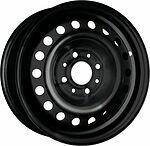
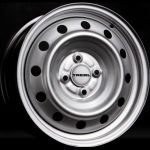
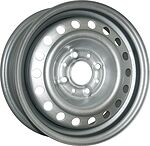
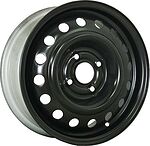
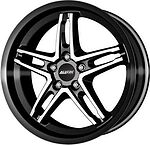
Tires on Fiat Panda
- Tyre size from R13 to R16, width from 135 to 195 and profile from 45 to 80S
- Minimum tyre size: 135/80S R13, maximum: 195/45 R16
Наиболее популярные модели шин






Tires on Fiat Panda (Фиат)
The Fiat Panda is a compact car designed for use primarily in urban areas. It has been produced since 1980. Over this time, around 8 million units have been produced, with more than half of them being the first-generation model.Creation History
In the 1970s, the Italian brand was one of the world leaders in the production of compact city cars, having released such legendary models as the Fiat 500 and its successor, the 126 model. However, its exterior design was, in the opinion of the company's management at the time, too pretentious, and they tried to get rid of it by ordering the development of a successor to the 126 model from ItalDesign, which at that time was not part of Fiat and where Giorgetto Giugiaro and Aldo Mantovani worked. The project requirements specified that it should be a car with a spacious and Spartan interior, with a weight and cost not exceeding those of the Fiat 126.The development of the model began in the summer of 1976 during Giugiaro and Mantovani's vacation in Sardinia, which affected some technical decisions. One of them was the volume of the trunk, which was chosen based on the dimensions of two 50-liter wine bottles and the presence of at least 4 passengers in the cabin. This led to the use of a body with a practically flat floor of increased height and seats with a pronounced vertical seating position. By February 1978, several options for the car's exterior design had been created, and several dozen prototypes had been made. The final choice in favor of one of them was made in the winter of 1979, but the serial production had to be postponed due to a conflict with the Fiat trade union. As a result, the car's debut took place on March 5, 1980.
Initial Version
The car presented in the spring of 1980 was a 3-door hatchback with an austere design, where its square shapes allowed for the most efficient use of internal space. The salon was extremely interesting, with a rear sofa that had 7 positions of backrest tilt, which could be folded or completely removed, as well as fabric covers for all seats. The trunk volume was 280 liters, and with the rear sofa removed, it reached 1000 liters, which was achieved by placing the spare wheel in the engine compartment. Additional space in the cabin was provided by the front panel, which had an air intake, but only worked for blowing the windshield.Despite its square shapes, the car had better aerodynamics than its predecessor. Another feature was the flat side windows, which were lighter and cheaper, and also suited both sides of the model. The lower part had a flexible plastic trim, resistant to mechanical damage. Technically, the car repeated the 127 model, having the same set of engines and transmissions. The rear suspension used a non-separable bridge and leaf springs. The car existed in virtually unchanged form until it was discontinued in 2003.
Second Generation
In 2003, the manufacturer presented the second-generation model. This was a completely different car, not having even a technical connection with its legendary predecessor. Moreover, Fiat did not plan to use the old name, and the model was supposed to be called Gingo. However, at the request of Renault, which had its own bestseller in the compact segment, Twingo, the Italian company returned the old name. Conceptually, the car was close to minivans, occupying a niche below the Multipla model. Having a quite pleasant exterior design, simple and reliable technical solutions, it turned out to be no less successful than its legendary predecessor. Within two years, 500,000 units were sold. Some of them found their way to our country, occasionally requiring replacement of tires and wheels. Such products are presented in a wide range in the online store "Mosavtoshina".Advantages of selecting tires for Fiat Panda on our website:
- a wide selection of tires developed specifically for compact passenger cars, designed for the most complex operating conditions;- a wide range of wheel disks, stamped and cast, from the original equipment and their analogs from domestic and foreign manufacturers;
- a simple and convenient interface of the automated search system allows for quick and high-quality selection, regardless of the modification and year of manufacture of this car;
- managers will always help with the choice, providing more detailed information on each item in the catalog.