Tyres and wheels for Fiat Palio Weekend, wheel size on Фиат Палио Веекенд
Подбор шин и дисков по автомобилю Фиат Палио Веекенд
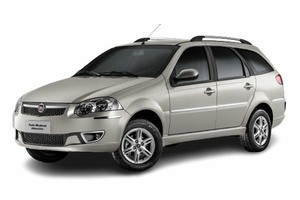
Другие модели Fiat
Fiat 124, Fiat 124 Spider, Fiat 500, Fiat 500C, Fiat 500e, Fiat 500L, Fiat 500X, Fiat 595, Fiat 600, Fiat 600e, Fiat 695, Fiat Albea, Fiat Argo, Fiat Avventura, Fiat Barchetta, Fiat Brava, Fiat Bravo, Fiat Cinquecento, Fiat Coupe, Fiat Croma, Fiat Cronos, Fiat Doblo, Fiat Ducato, Fiat E-Doblo, Fiat E-Ulysse, Fiat Egea, Fiat Fastback, Fiat Fiorino, Fiat Freemont, Fiat Fullback, Fiat Grand Siena, Fiat Grande Panda, Fiat Grande Punto, Fiat Idea, Fiat Linea, Fiat Marea, Fiat Mille, Fiat Mobi, Fiat Multipla, Fiat Ottimo, Fiat Palio, Fiat Palio Adventure, Fiat Palio Weekend, Fiat Panda, Fiat Panda 4x4, Fiat Panda Cross, Fiat Pandina, Fiat Pratico, Fiat Pulse, Fiat Pulse Abarth, Fiat Punto, Fiat Punto Evo, Fiat Qubo, Fiat Qubo L, Fiat Ritmo, Fiat Scudo, Fiat Sedici, Fiat Seicento, Fiat Siena, Fiat Siena EL, Fiat Stilo, Fiat Strada, Fiat Talento, Fiat Tempra, Fiat Tipo, Fiat Titano, Fiat Topolino, Fiat Toro, Fiat Ulysse, Fiat Uno, Fiat Urban Cross, Fiat Viaggio, Fiat Weekend,Параметры дисков на Фиат Палио Веекенд
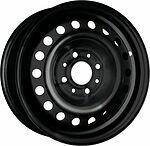
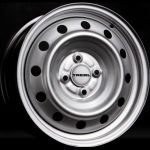
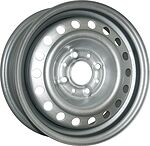
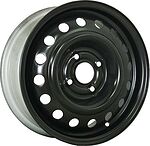
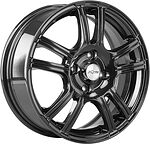
Tires on Fiat Palio Weekend
- Tyre size from R14 to R15, width from 175 to 205 and profile from 65 to 80.
- Minimum tyre size: 175/65 R14, maximum: 205/70 R15
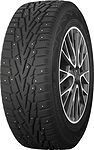



Tires on Fiat Palio Weekend (Фиат)
The compact station wagon Fiat Palio Weekend proved to be a model with one of the longest production cycles in the brand's history. The release of the car continued from 1997 to 2020. It was created as part of a strategy to expand "Fiat" into the markets of Latin American and Turkish countries, where such cars proved to be more than competitive against the backdrop of the popularity of crossovers, offering roughly the same functionality, but with lower financial costs. This was largely due to the combination of a station wagon body and reliable technical components. The engineers managed to preserve the compact dimensions, thanks to which the car felt confident in tight city conditions, remaining convenient for travel and household tasks.Evolution into a standalone model
Despite the common name, the station wagon was significantly different from the basic Palio. The increased rear overhang allowed for a significant increase in the volume of the luggage compartment. It is worth noting the higher roof position, due to which the "Weekend" created the feeling of a larger car. In addition to the body, the chassis also underwent changes, primarily the rear suspension, which was designed for significantly higher loads. The model was based on the global Project 178 platform, developed by Fiat specifically for regions outside the European continent. The design was initially designed with poor roads, high temperatures, and simplified maintenance in mind. That's why the chassis was distinguished by its energy intensity and relatively large ground clearance. The front suspension with McPherson struts combined with a semi-dependent rear beam. The settings differed from the standard Palio with greater cargo endurance. As a result, the station wagon effortlessly withstood operation not only with a fully filled trunk but also on poor roads, including dirt roads.
The steering had quite "long" settings, characteristic of family models of those years. This reduced the sharpness of the reactions, but had a positive effect on comfort when driving on the highway. At speeds above 100 km/h, the station wagon behaved more stable than the short-based hatchback, which was facilitated by the increased body length.
The engine range depended on the region of production. The basic ones were usually gasoline engines of the Fire family. One of the most common was the 1.2-liter engine with a power of 80 hp and a torque of 114 Nm. In combination with a 5-speed manual transmission, it provided moderate fuel consumption and simplicity of maintenance. The 1.6-liter engine with a power of 103 hp and 145 Nm was more popular. This engine was much better suited for the station wagon, especially when fully loaded and driving on the highway. There was enough traction even with the air conditioner turned on and luggage on the roof.
On a number of markets, turbo diesel versions of 1.9 JTD from compact commercial vans of the brand were offered. Such an engine developed 85 hp and 196 Nm of torque. Due to the high traction at low revs, this version was well suited for long trips and commercial use. Later, modifications with the Flex Fuel system appeared, which could run on both gasoline and ethanol. For Brazil, such versatility proved to be an important market advantage.
Adventure — almost a crossover
In the early 2000s, the Italian brand expanded the line with an "off-road" version of the Adventure. It was significantly different from the regular version with an increased ground clearance, protective plastic trim, and different bumper design. In fact, "Fiat" was one of the first to start promoting the concept of an "off-road station wagon" in the budget segment. Technically, it differed from the reinforced suspension and larger wheels. Some of the instances were offered with electronic imitation of the differential, which increased traction on loose unstable surfaces.
Visually, the new version looked significantly more aggressive than the standard station wagon. The spare wheel was sometimes placed on the fifth door, and the salon was complemented by contrasting trim and an extended list of equipment. It was this modification that helped the Palio Weekend maintain its popularity even after the appearance of numerous compact crossovers.
Practical and functional interior
The salon was designed with functionality in mind. The front panel largely repeated the standard Palio, however, the station wagon received more compartments for storing small items and an improved transformation of the second row of seats. After restyling, the interior became noticeably more modern. In expensive versions, there were climate control, CD-player with MP3 support, and multimedia displays with a diagonal of up to 5 inches. One of the key advantages remained the trunk. Depending on the generation and configuration, the volume exceeded 450 liters, and with the seats folded, the station wagon easily coped with the transportation of bulky items. Due to this versatility, the model was often used as the only transport in the family.
Reputation in the secondary market
The model remained popular and found itself on the secondary market. The simple design, high technical unification of parts with most compact cars of the Italian brand, as well as adaptation to complex road conditions, made the station wagon in demand when resold. It is worth noting the expanded equipment compared to the original Palio. Many versions of the "Weekend" already in the basic configuration offered roof rails, a rear window washer with an increased area, and a folding rear seat. For a compact station wagon of the late 1990s, such functionality was considered a serious advantage. As well as wheels with a landing diameter of 14 and 15 inches used in the "factory" configuration. In combination with tires with a profile height of 60 to 70%, this provided the car with a smooth ride and reliability of the suspension. In the assortment of the "Mosavtoshina" online store, both universal models for urban operation and more durable versions for bad roads are available.
Advantages of selecting tires for Fiat Palio Weekend on our website:
- the presented in the catalog assortment of tires takes into account the specifics of station wagons with high load on the rear axle, which makes it easier to select a set for family trips, travel, or regular luggage transportation;
- the possibility of purchasing steel and aluminum wheels designed for various usage scenarios;
- long warranty service of wheel products is especially relevant for owners of such practical models, where reliability and lack of risk of unplanned expenses are often more important than aesthetic properties;
- managers will help organize the purchase of wheel products in a comprehensive manner: consultations on compatibility, seasonal storage, operation features, etc.