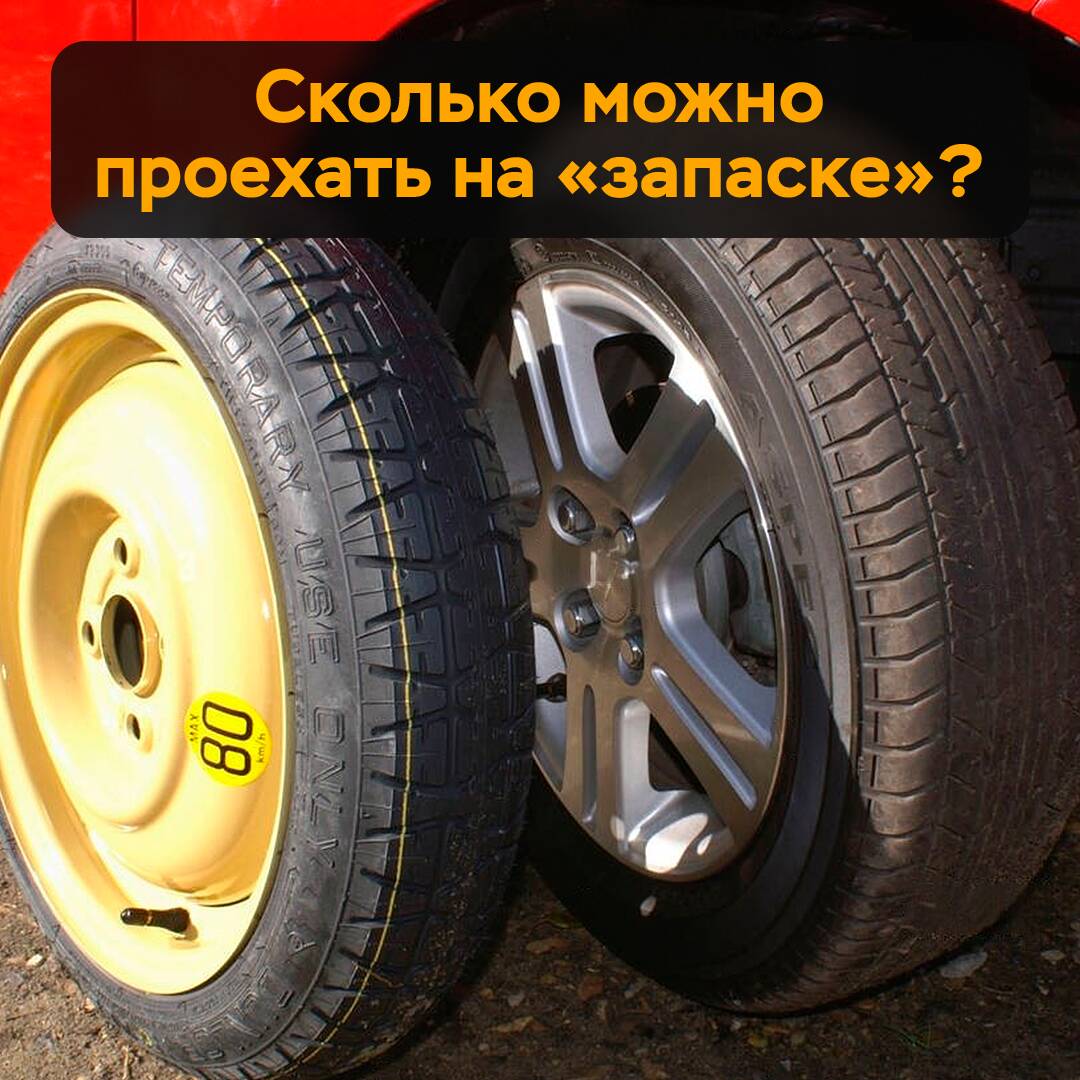
How far can you drive on a "spare"?
We have already written about the features of the spare wheel of the "dokatka" type, but in this article, we would like to supplement the information, namely, to answer the question - why it is not recommended to use "dokatka" when traveling long distances.
Various factors, such as the technical condition of the tire, the condition and weight of the vehicle, play a certain role in determining how far it can travel. It is important to remember that the ability to respond to emergency situations, understanding the components of your vehicle, and following safety rules are vital skills for every driver. And when it comes to spare tires, the more you know, the safer you will be.
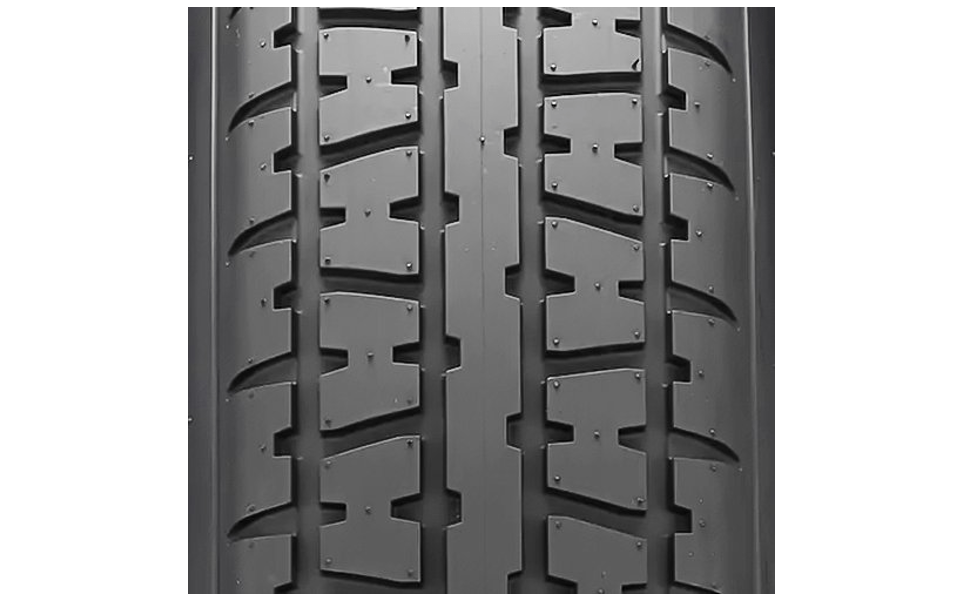
The use of a spare wheel of the "dokatka" type began to be used to save space and reduce the weight of the vehicle. It is intended only for temporary use. The smaller size of these tires contributes to their lightness and convenience of storage, but this also limits their durability and characteristics. The lower tread depth indicates significantly less grip on the road compared to regular tires, which affects the vehicle's handling and braking efficiency. This also makes "dokatki" less effective on wet roads and, of course, in winter conditions.
Why is it not recommended to use a "dokatka" when driving long distances?
- Risk of tire failure: the "dokatka" is not designed for prolonged use. The tread depth, size, load-carrying capacity, and tire design are optimized for short-term use. When driving more than 200 km, there is a risk of exceeding the design limits, which will lead to excessive wear and an increased risk of tire failure.
- Impact on vehicle handling: driving long distances on a "dokatka" can also lead to a deterioration in vehicle handling. The smaller size of the "dokatka" and the lower grip on the road can affect braking and cornering, especially at higher speeds. This can make your trip unsafe, especially in unfavorable road conditions.
- Increased load on other tires: when installing a "dokatka", the imbalance must be compensated by the other standard tires. This can increase the wear on the other tires and potentially lead to damage, especially over long distances.
Manufacturers usually recommend driving a maximum distance of 80-100 km and reaching a maximum speed of 80 km/h when driving on a "dokatka". The exact figures may vary depending on the characteristics of your vehicle and tire, so you should always refer to the user manual for exact recommendations. These recommendations are designed to ensure safe driving and limit possible damage to your vehicle.